15 Amazing Budget Vacations Under $2K in 2026 (All-Inclusive Guide)

You may also like this:
First Darecation? How to Plan an Adventure Vacation (Step-by-Step Guide)

Did you know that 73% of Americans say cost is the biggest barrier to taking their dream vacation? But here’s the truth: you don’t need to drain your savings account to create unforgettable memories. In 2026, budget vacations under $2K are not only possible—they’re amazing.
Whether you’re craving white-sand beaches, historic European streets, or adventure-packed mountain escapes, this guide will show you exactly how to plan an incredible getaway without breaking the bank. I’ve researched destinations, crunched the numbers, and found 15 spectacular vacations that cost less than $2,000 per person. Ready to pack your bags? Let’s dive in.

What’s Included in a $2K Vacation Budget?
A $2,000 vacation budget may sound limiting at first, but when allocated strategically, it can cover everything you need for a memorable and comfortable trip. The key is understanding where your money typically goes and making intentional trade-offs that prioritize experiences over unnecessary extras.



Typical Cost Breakdown for a $2K Trip
While exact costs vary by destination, most budget vacations under $2,000 per person follow a similar structure:
- Flights: $400–$700 (domestic or budget international routes)
- Accommodation: $600–$900 (7 nights in budget hotels, Airbnbs, or hostels)
- Food: $300–$450 (mix of local dining, street food, and groceries)
- Activities & Transportation: $200–$300 (tours, attractions, local transit)
- Buffer/Miscellaneous: $100–$200 (souvenirs, unexpected expenses)
This framework allows flexibility—spend less on lodging to splurge on experiences, or choose destinations where food and transportation costs are naturally low.
How to Allocate Your Budget Effectively
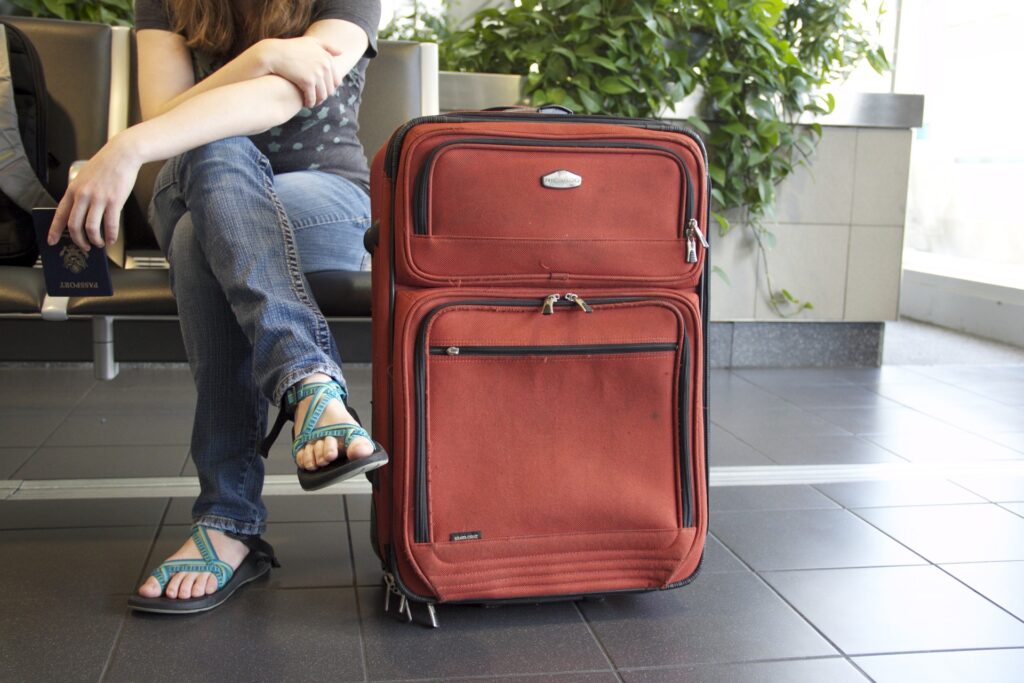
To stay under $2K, focus on controlling your big three expenses: flights, accommodations, and food. Flights are often the most variable cost, so booking deals or flying midweek can unlock major savings. Accommodations should be comfortable and well-located, but not luxurious. When it comes to food, balancing local restaurants with markets and casual meals keeps costs manageable without sacrificing quality.



All-Inclusive vs. Budget-Conscious Travel
At the $2K price point, “all-inclusive” usually applies to select destinations like Mexico or the Caribbean, where bundled resorts can include flights, lodging, meals, and drinks for a fixed price. These trips offer predictability and convenience.
“Budget-conscious” travel, on the other hand, involves booking each component separately. This approach works especially well in Europe, Central America, and U.S. cities, where affordable accommodations, public transportation, and inexpensive dining options are widely available.

Budget Vacation FAQs
Can you really take a vacation for under $2,000 in 2026?
Yes. Budget vacations under $2,000 per person are still very achievable in 2026 with smart planning. Choosing affordable destinations, traveling during shoulder seasons, and booking flights strategically make it possible to cover airfare, accommodations, food, and activities within this budget.
Is $2,000 enough for an international trip in 2026?
In many cases, yes. International destinations such as Mexico, Central America, parts of the Caribbean, and several European cities continue to offer strong value in 2026. Lower daily costs, efficient public transportation, and competitive flight routes make international travel under $2K realistic for budget-conscious travelers.
Are all-inclusive resorts cheaper than planning everything separately?
All-inclusive resorts can still offer excellent value in 2026, particularly in destinations like Cancun and Punta Cana where flights, lodging, meals, and drinks are bundled. However, for city breaks or adventure-focused trips, booking flights, accommodations, and activities separately often provides greater flexibility and cost control.
How many days can $2,000 cover on a vacation in 2026?
A $2,000 travel budget typically covers 5–7 days for domestic trips and 7–10 days for international destinations with lower daily expenses. Trip length depends heavily on airfare prices, accommodation choices, and how meals and activities are planned.
What is the cheapest time of year to travel in 2026?
Shoulder seasons remain the most affordable times to travel in 2026. Spring and fall offer lower airfare, discounted accommodations, fewer crowds, and comfortable weather in many popular destinations.
Is budget travel safe in 2026?
Yes. Budget travel in 2026 is just as safe as higher-end travel when you choose well-reviewed accommodations, use reliable transportation, stay aware of local conditions, and carry appropriate travel insurance.
How far in advance should I book a budget vacation for 2026?
For most destinations, booking flights 6–10 weeks in advance offers the best balance between price and availability. Popular routes, school holiday periods, and peak seasons may require earlier booking to secure the lowest fares.
What is the biggest budget travel mistake to avoid in 2026?
The most common mistake is underestimating total trip costs. Failing to account for baggage fees, local transportation, meals, and attraction costs can push a trip over budget. Planning a realistic daily spending allowance helps keep costs under control.






Tips for Tracking Expenses While Planning
Staying on budget starts before you book:
- Use spreadsheets or budget apps to estimate costs in advance
- Track prices as you research to avoid surprises
- Build in a small buffer for fluctuations or upgrades
Knowing your numbers upfront makes it easier to say yes to experiences—and no to overspending.
Hidden Costs to Watch Out For
Even the most affordable trips can go over budget if you overlook common extras:
- Resort and city taxes
- Checked baggage and seat selection fees
- Travel insurance
- Credit card foreign transaction fees
Accounting for these early ensures your $2K budget remains realistic from start to finish.

Best Times to Book Budget Vacations in 2026
Timing can be just as important as destination when planning a vacation under $2,000. Traveling during the right season and booking strategically can save hundreds—sometimes even more than choosing a cheaper location.
Shoulder Season: The Budget Traveler’s Sweet Spot
Shoulder seasons—typically spring (April–early June) and fall (September–early December)—offer the best balance of lower prices and favorable weather. During these periods, flights and accommodations drop significantly, crowds thin out, and popular destinations feel more relaxed and authentic.
Using Flight Price Trackers and Deal Alerts
Tools like Google Flights, Skyscanner, and Hopper allow you to monitor fares and receive alerts when prices drop. For most destinations, setting alerts 6–8 weeks before travel helps you identify the best booking window without obsessively checking prices.
Best Months for Specific Destinations
Not all destinations follow the same pricing patterns:
- Caribbean and Mexico are cheapest late summer and early fall
- Europe sees better deals in March, April, and November
- U.S. cities are more affordable midweek and outside major events
Matching your destination with its off-peak window can dramatically reduce costs.
Last-Minute vs. Advance Booking
Contrary to popular belief, last-minute deals aren’t always cheaper—especially for flights. In 2026, advance booking typically wins for airfare, while hotels may offer occasional last-minute discounts. A hybrid strategy often works best: secure flights early and remain flexible with accommodations.
Flexible Dates = Big Savings
Even shifting your trip by one or two days can unlock lower fares. Flying Tuesday through Wednesday and returning midweek consistently yields savings, especially for domestic trips and short international routes.
Top 5 Tropical Budget Destinations Under $2K
Tropical vacations don’t have to be expensive. With competitive flight routes, affordable accommodations, and strong value for food and activities, these destinations consistently deliver full beach getaways for under $2,000 per person—often including flights.
Cancun, Mexico
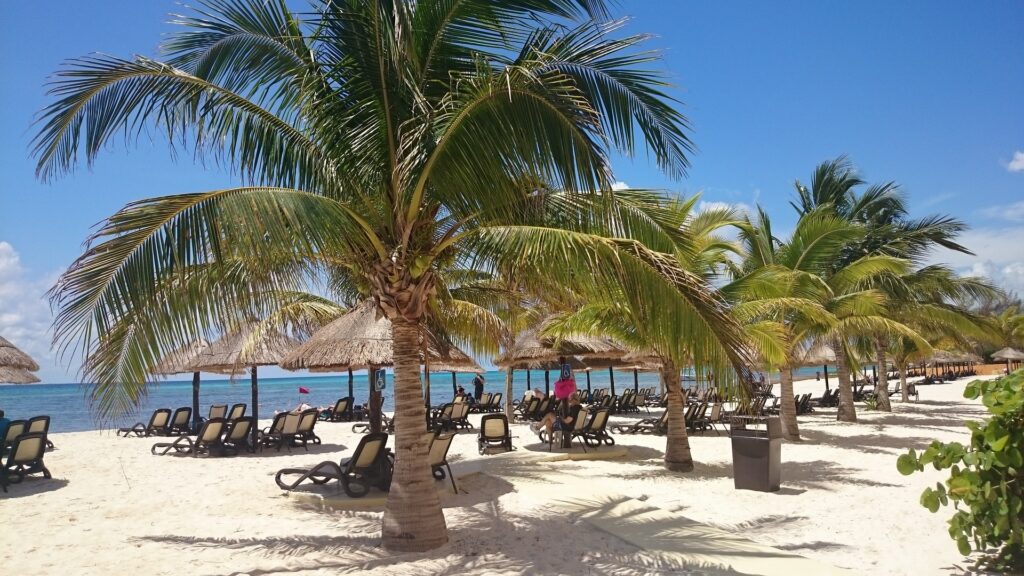
Cancun remains one of the easiest and most reliable tropical destinations for budget travelers. Frequent nonstop flights from major U.S. cities keep airfare low, and the area is packed with competitively priced all-inclusive resorts.
Budget travelers can find all-inclusive packages in the $1,200–$1,800 range during shoulder season, covering flights, accommodations, meals, and drinks. Beyond the resort, affordable excursions include snorkeling, cenote swimming, and day trips to Tulum or Chichén Itzá.
Puerto Rico
Puerto Rico offers Caribbean beauty without the need for a passport, making it an excellent budget-friendly option for U.S. travelers. Flights are often comparable to domestic fares, especially from the East Coast.
Affordable guesthouses and mid-range hotels keep lodging costs reasonable, while public beaches, historic Old San Juan, and rainforest hikes in El Yunque provide low-cost activities. Renting a car allows access to lesser-known beaches and helps stretch your budget further.
Punta Cana, Dominican Republic
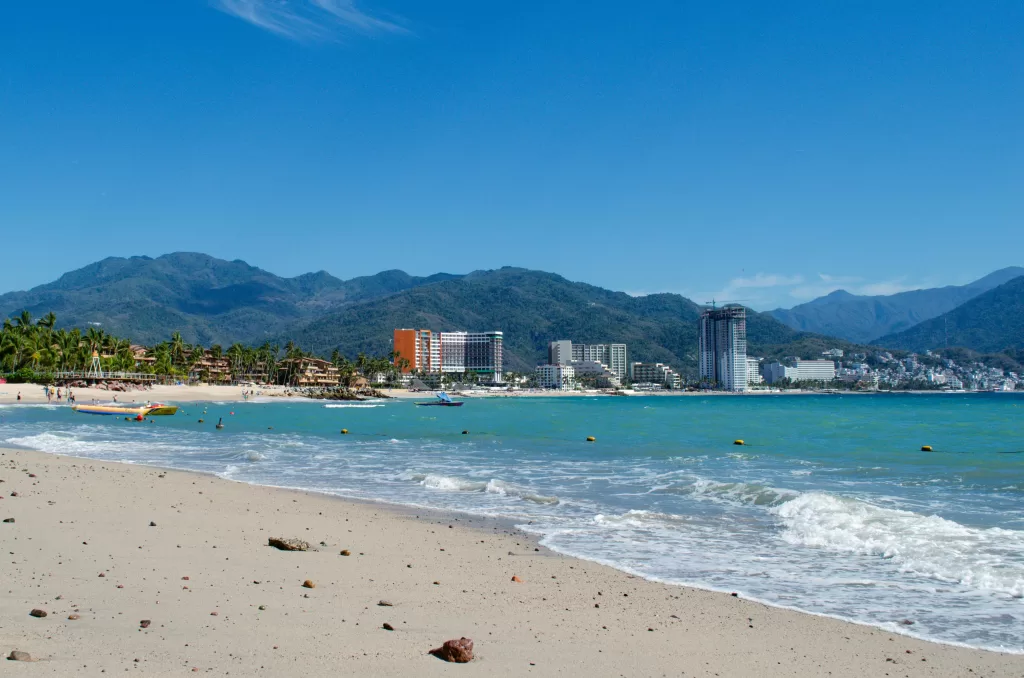
Punta Cana is known for its value-driven all-inclusive resorts, many of which offer large pools, beachfront access, and a full slate of included dining and entertainment.
Package deals frequently fall well under $2K, particularly outside peak winter months. While many travelers stay on-resort, excursions such as catamaran cruises, snorkeling, and cultural tours remain affordable add-ons that won’t break your budget.
Belize
Belize is ideal for travelers who want both beach and adventure without luxury pricing. While flights can be slightly higher than Mexico or the Caribbean, savings come from affordable lodging, especially in local guesthouses and eco-lodges.
Snorkeling, diving, and wildlife experiences offer excellent value, particularly around Ambergris Caye and Caye Caulker. Inland jungle lodges and Mayan ruins provide a budget-friendly alternative to resort-heavy destinations.
Costa Rica
Costa Rica delivers incredible biodiversity and adventure for budget-conscious travelers willing to skip luxury resorts. Affordable hostels, eco-hotels, and small inns make it easy to stay within budget.
Free or low-cost activities—such as beach time, wildlife spotting, waterfalls, and hiking—help keep daily expenses low. With careful planning, a week in Costa Rica including flights, lodging, and excursions can comfortably come in under $2,000.

5 Affordable European City Breaks Under $2K
Europe may seem expensive, but choosing the right cities—and timing your trip correctly—makes it entirely possible to enjoy a rich European experience without exceeding a $2,000 budget.
Lisbon, Portugal
Lisbon consistently ranks as one of Western Europe’s most affordable capitals. Flight deals are common, and local food, wine, and public transportation remain budget-friendly.
Visitors can explore historic neighborhoods like Alfama, ride iconic trams, and enjoy ocean views—all at minimal cost. Budget hotels and short-term rentals make a week-long stay attainable within a $2K budget.

Krakow, Poland
Krakow offers exceptional value with a low cost of living and rich cultural history. Flights into Krakow or nearby European hubs are often affordable, especially in spring and fall.
The city’s walkable Old Town, historic Jewish Quarter, and nearby Auschwitz memorial provide meaningful experiences at modest prices. Dining out is inexpensive, and accommodation costs are significantly lower than in Western Europe.
Budapest, Hungary
Budapest combines architectural beauty, thermal baths, and vibrant nightlife at prices well below most European capitals. Public transportation is efficient and inexpensive, reducing daily costs.
Thermal bath passes, river cruises, and historic sites are affordable, and budget accommodations are widely available. Budapest is an excellent choice for travelers seeking both culture and relaxation.
Prague, Czech Republic
Prague’s medieval streets, iconic bridges, and historic squares feel luxurious—but prices remain relatively accessible. Beer is famously inexpensive, and many top attractions can be enjoyed on foot.
Free walking tours, affordable public transit, and a strong selection of budget hotels help keep costs under control. Traveling outside peak summer months makes Prague even more affordable.

Athens, Greece
Athens offers a unique blend of ancient history and modern culture at a surprisingly reasonable price point. Flights can be competitive, particularly in shoulder season.
Many historic sites are centrally located, reducing transportation costs, and Mediterranean food remains affordable. Budget travelers can also enjoy inexpensive island day trips, making Athens a strong value destination under $2K.
5 Domestic Budget Vacations (USA) Under $2K
Traveling within the United States can be just as exciting—and often more affordable—than going abroad. With lower flight costs, no passport requirements, and flexible accommodation options, these domestic destinations make it easy to plan a memorable vacation under $2,000.
Nashville, Tennessee
Nashville delivers nonstop entertainment without premium pricing. Flights are affordable from most U.S. cities, and the city offers a wide range of mid-range hotels and budget-friendly stays.
Live music venues, many of which have no cover charge, keep entertainment costs low. Combined with an excellent food scene and walkable neighborhoods, Nashville is a strong value for music and culture lovers.

San Antonio, Texas
San Antonio blends history, culture, and affordability. Hotels near the River Walk are often less expensive than in comparable tourist cities, and many attractions are free or low-cost.
Visitors can explore historic missions, stroll along the River Walk, and enjoy Tex-Mex cuisine without overspending. Public transportation and compact sightseeing areas help reduce daily expenses.
Savannah, Georgia
Savannah’s historic charm and relaxed pace make it ideal for a budget-friendly getaway. Flights are reasonably priced, and accommodations range from boutique inns to affordable vacation rentals.
Many of Savannah’s highlights—historic squares, riverfront walks, and architecture—are free to enjoy. Nearby Tybee Island offers beach access without resort pricing.
Portland, Oregon
Portland is a great option for travelers who want urban culture paired with easy access to nature. With no sales tax, daily expenses are often lower than expected.
Food carts, breweries, parks, and nearby hiking trails offer excellent value. Budget hotels and public transportation make it easy to explore without renting a car.
New Orleans, Louisiana
New Orleans offers world-class culture, food, and music at surprisingly accessible prices. Flights are often inexpensive, and accommodations outside peak festival seasons are budget-friendly.
Live jazz, historic neighborhoods, and vibrant street life provide entertainment without added costs. With careful timing, New Orleans easily fits within a $2K budget.

How to Save Money on Flights for Your Budget Vacation
Flights are often the largest expense in a vacation budget, but smart booking strategies can significantly reduce costs—sometimes making the difference between staying under or going over $2,000.
Best Flight Booking Websites and Apps
Platforms like Google Flights, Skyscanner, and Hopper allow travelers to compare prices across airlines and track fare changes. These tools help identify trends and spot deals before prices increase.
Using Points and Miles Strategically
Even occasional travelers can benefit from travel rewards. Using points for partial redemptions, booking one-way award flights, or covering baggage fees can meaningfully reduce overall trip costs.
Budget Airlines vs. Traditional Carriers
Budget airlines often advertise lower fares, but fees for bags, seat selection, and carry-ons can add up. Traditional airlines may appear more expensive initially but offer better value once all costs are considered.
Connecting Flights vs. Direct Flights
Connecting flights are frequently cheaper than direct options, especially for international travel. While they require more time, the savings can be substantial for budget-conscious travelers.
Red-Eye and Midweek Savings
Flights departing late at night or midweek are typically cheaper. Being flexible with departure and return days can save hundreds without changing your destination.
When to Set Price Alerts
For most trips, setting price alerts 6–8 weeks before travel provides the best balance between availability and affordability. This window allows you to act quickly when prices drop.

Affordable Accommodation Options to Stretch Your Budget
Choosing the right place to stay can make or break a budget vacation. The goal is not to find the cheapest option available, but the best value—comfort, location, and amenities that reduce other daily expenses like transportation and food.
Hotels vs. Airbnb vs. Hostels
Budget hotels offer predictability and convenience, often including perks like free breakfast or airport shuttles. Short-term rentals such as Airbnb can be cost-effective for longer stays, families, or travelers who want kitchen access. Hostels, particularly in Europe and Central America, provide the lowest nightly rates while offering private room options for travelers who prefer more privacy.
Using Hotel Rewards Programs
Even travelers who only take one or two trips per year can benefit from hotel loyalty programs. Points earned from stays or credit card partnerships can be redeemed for free nights, upgrades, or late checkout—stretching your $2K budget further without additional cost.
Booking.com Genius and Similar Perks
Programs like Booking.com Genius offer discounted rates, free breakfasts, and room upgrades after just a few stays. These small perks can translate into meaningful savings over a week-long trip.
Vacation Rentals for Families and Groups
For groups, vacation rentals often reduce per-person costs while providing more space. Splitting accommodation costs across multiple travelers can free up budget for activities or better flights.
Staying Outside Tourist Zones
Lodging just outside major tourist areas is often significantly cheaper. As long as the location has good public transportation access, staying slightly farther out can save hundreds over the course of a trip.
All-Inclusive Resorts That Actually Save Money
In destinations like Mexico and the Dominican Republic, all-inclusive resorts can be cost-effective when flights, meals, drinks, and entertainment are bundled. These options are especially valuable for travelers who want predictable spending and minimal planning.
Money-Saving Tips for Activities and Excursions
Activities are where budget vacations often go off track—but with smart planning, you can experience more while spending less.
Free Walking Tours and Self-Guided Exploration
Many major cities offer free walking tours led by local guides. While tipping is customary, these tours provide rich cultural context at a fraction of the cost of traditional guided experiences.
City Passes and Attraction Bundles
City passes can offer significant savings if you plan to visit multiple attractions in a short period. However, they’re only worthwhile if the included sites align with your itinerary—otherwise, individual tickets may be cheaper.
Booking Excursions Locally
In many destinations, booking tours after arrival can be less expensive than pre-booking online. Local operators often offer discounts, especially during slower periods.

Free Museums, Parks, and Cultural Experiences
Many cities offer free museum days, public parks, historic districts, and cultural festivals. These experiences are often some of the most memorable—and cost nothing.
Timing Meals to Save on Experiences
Choosing lunch specials instead of dinner and enjoying happy hour deals can significantly reduce food costs, freeing up money for activities and excursions.
Public Transportation and Bike Rentals
Public transit passes and bike rentals are typically far cheaper than taxis or rideshares and allow you to explore like a local while keeping costs low.
How to Eat Well on a Budget While Traveling
Eating well is one of the highlights of travel—and it does not require expensive restaurants or prix-fixe menus. With a few strategic choices, you can enjoy local flavors, authentic meals, and memorable dining experiences while staying comfortably within your $2,000 budget.
Shop at Local Markets and Grocery Stores
Local markets are one of the best ways to experience regional cuisine at a fraction of restaurant prices. Fresh bread, fruit, cheese, and ready-made meals are often inexpensive and high quality, especially in Europe and Latin America. Grocery stores are ideal for breakfast items and snacks, reducing the need for daily restaurant meals.
Embrace Street Food and Casual Dining
Street food is often both affordable and authentic. From tacos in Mexico to pastries in Portugal and food carts in U.S. cities, casual dining options deliver excellent value and cultural immersion without premium pricing.
Take Advantage of Lunch Specials
In many destinations, restaurants offer set lunch menus or midday specials that cost significantly less than dinner. Eating your main meal at lunch and keeping dinner lighter is one of the simplest ways to cut food costs without sacrificing quality.
Choose Accommodations with Kitchenettes
Having access to a kitchenette allows you to prepare simple meals, store leftovers, and avoid daily dining expenses. Even cooking just a few meals during a week-long trip can save hundreds.
Use Apps to Find Local Deals
Apps like TheFork, Yelp, and Google Maps help identify highly rated restaurants, discounts, and happy hour deals. Filtering reviews by locals rather than tourists often leads to better food at lower prices.
Avoid Tourist Trap Restaurants
Restaurants near major attractions tend to charge higher prices for average food. Walking a few blocks away from tourist centers usually reveals better options with more reasonable pricing.
Budget Vacation Packing Essentials to Save Money
Smart packing is an often-overlooked way to protect your travel budget. Avoiding unnecessary purchases and fees can free up funds for experiences rather than logistics.
Pack Carry-On Only When Possible
Checked baggage fees can quickly add up, especially on budget airlines. Packing efficiently with a carry-on eliminates these costs and simplifies airport logistics.
Buy Toiletries Strategically
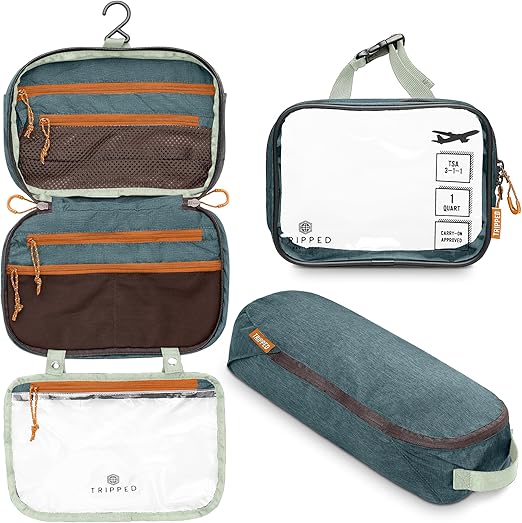
Travel-size toiletries are useful, but buying full-size items at your destination is often cheaper. Bring only essentials and replenish locally if needed.
Bring Reusable Travel Gear
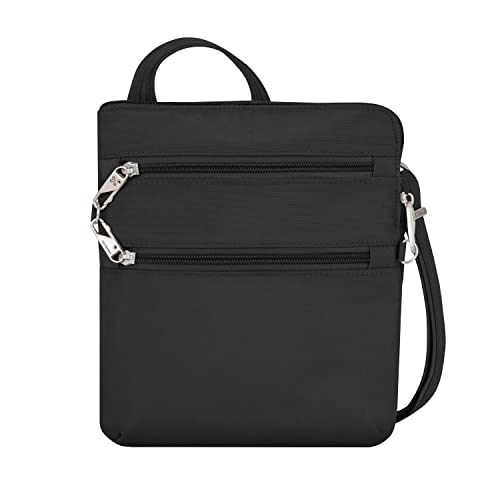
Reusable water bottles—especially those with built-in filters—reduce spending on bottled water. A universal power adapter and portable charger prevent last-minute purchases abroad.
Choose Versatile Clothing
Neutral, mix-and-match clothing allows you to create multiple outfits with fewer items. This approach reduces luggage size and avoids the need for extra baggage.
Don’t Skip Travel Insurance
Travel insurance may seem like an extra expense, but it can prevent significant financial loss from trip disruptions, medical emergencies, or cancellations—especially for international travel.
Plan for Weather and Activities
Packing appropriately for your destination’s climate and planned activities avoids expensive last-minute purchases, such as outerwear, footwear, or specialty gear.
Conclusion
Planning a memorable vacation doesn’t require a luxury budget—just thoughtful choices and a clear strategy. As this guide shows, budget vacations under $2,000 in 2026 are not only realistic, but incredibly diverse. From tropical beaches and historic European cities to culture-rich U.S. destinations, affordable travel is well within reach when you know where to go and how to plan.
The key to staying under budget lies in flexibility and intention. Traveling during shoulder seasons, booking flights strategically, choosing value-driven accommodations, and prioritizing local experiences over high-priced extras all make a significant difference. Small decisions—like packing smart, eating where locals do, and using public transportation—add up to major savings over the course of a trip.
Ultimately, the best vacations aren’t defined by how much you spend, but by the experiences you have and the memories you bring home. Whether you’re relaxing on a Caribbean beach, wandering cobblestone streets in Europe, or exploring a vibrant U.S. city, a $2K budget can unlock experiences that feel far more valuable than their price tag.
If you’re ready to turn inspiration into action, start by choosing one destination, setting up flight alerts, and mapping out a realistic budget. Affordable travel isn’t about compromise—it’s about traveling smarter. Your next great adventure is closer than you think.



You May Also Like
Solo Darecations Guide 2026: How to Plan Safe, Thrilling Adventure Travel Alone
Adventure Tourism in 2026: Industry Trends, Statistics & Why It’s the Future of Travel