15 Amazing Romanian Desserts You Must Try
Did you know that Romania’s dessert tradition dates back over 500 years, blending influences from Turkish, Hungarian, and Austrian cuisines? Walking through any Romanian bakery today, you’ll encounter an enchanting world of honey-soaked pastries, creamy puddings, and fruit-filled delights that tell the story of this fascinating country.

Romanian desserts aren’t just sweet treats—they’re edible pieces of history. From the iconic papanași served at family celebrations to the elaborate cozonac prepared for Easter, these traditional sweets connect generations and preserve cultural memories. Whether you’re planning a trip to Romania, exploring your heritage, or simply love discovering new flavors, this guide will introduce you to the most beloved Romanian desserts and their captivating stories.




You may also like this:

What Makes Romanian Desserts Unique
Romanian desserts blend centuries of cultural influences into something truly special. The country’s position in Eastern Europe created a fascinating fusion of Turkish, Hungarian, and Austrian baking traditions. This mix gave birth to unique treats you won’t find anywhere else.
Sour cream appears in many traditional recipes, adding richness and tang. Sweet cheese and cottage cheese are other staples that make Romanian sweets distinctive. Many desserts feature lemon zest for brightness, while others showcase influences from Turkish delight and other Ottoman-era confections.
Religious symbols play a huge role in Romanian baking culture. Many desserts are prepared specifically for special occasions like Easter and Christmas. These treats aren’t just food—they’re edible traditions passed down through generations.
The country’s rich culinary heritage shows in every bite. Traditional Romanian pastries often require multiple steps and patience. Families guard their recipes closely, teaching techniques to children and grandchildren. This dedication to authenticity is what makes Romanian cuisine so remarkable.
Local bakeries still follow centuries-old methods. They use simple ingredients to create complex flavors. The result? Desserts that taste like childhood memories, even if you’re trying them for the first time.
Most Popular Romanian Desserts Every Food Lover Should Know
Papanași reign supreme among Romanian sweets. These cheese doughnuts are the most traditional Romanian dessert you’ll encounter. Made with sweet cheese and topped with sour cream and jam, they’re pure heaven for your taste buds.

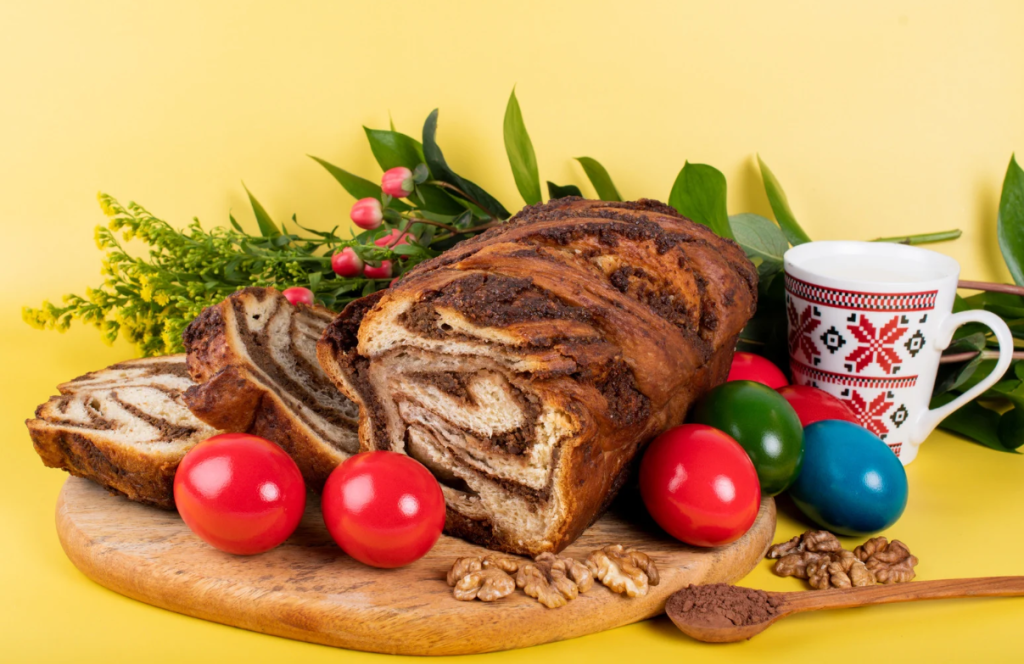
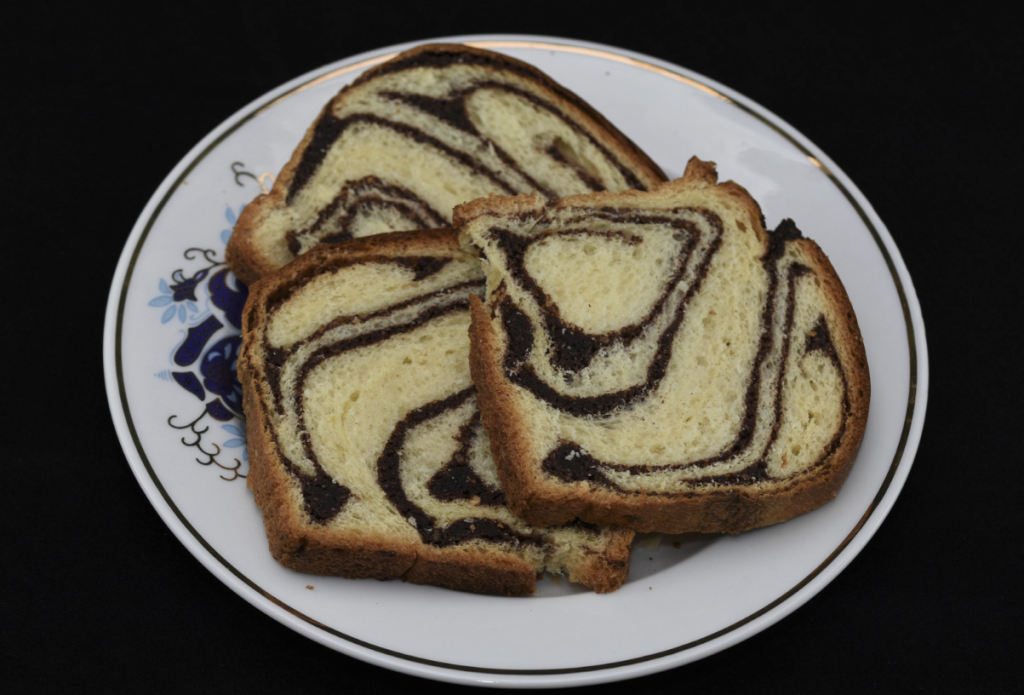
Cozonac is Romania’s beloved sweet bread. This braided masterpiece appears at every celebration. The sweet dough gets filled with nuts, cocoa, or Turkish delight. Families compete to make the fluffiest version with perfect layers of sponge cake-like texture.
Amandine satisfies every chocolate lovers‘ dreams. This layered cake features chocolate buttercream and almond flavors. You’ll find it in every cake shop across Romania. It’s become such a popular choice that even TikTok features countless videos of people making these best desserts.
Joffre cake might sound French, but Romania claims it too. This rich dessert combines chocolate and coffee flavors perfectly. Casa Capsa, a famous Bucharest restaurant, popularized this delicious dessert over a century ago.
Salam de biscuiti (biscuit salami) is Romania’s answer to no-bake desserts. This childhood dessert mixes crushed biscuits with cocoa powder and other ingredients. The result looks like salami but tastes like chocolate paradise. It’s a perfect light treat that doesn’t require baking skills.
Traditional Romanian Pastries and Baked Goods
Mucenici are special walnut-shaped cookies made for March 9th. These traditional Romanian pastries honor religious traditions with their unique figure-eight shape. Some regions boil them in sweet water, while others bake them. Both versions taste incredible and carry deep religious symbols.
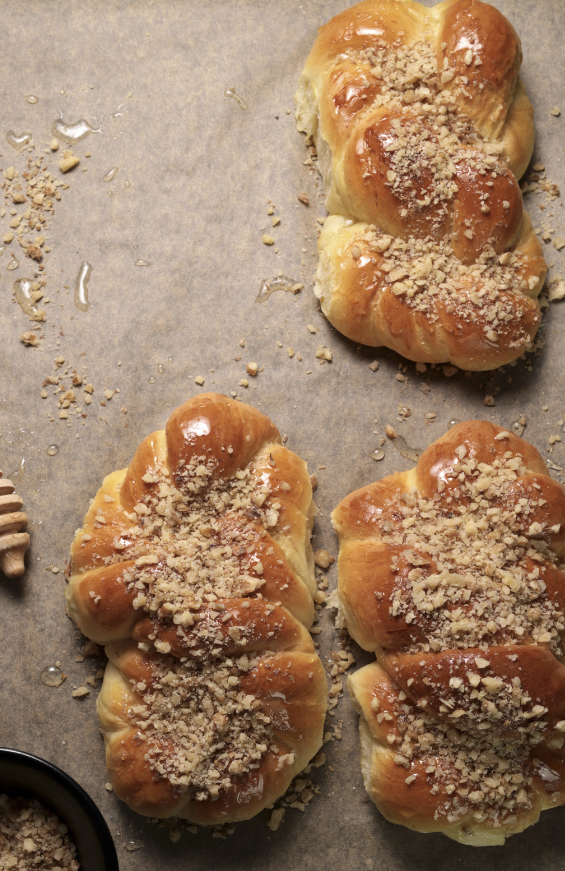
Gogoși are Romania’s answer to American donuts, but they’re so much better. These fluffy treats get filled with jam, cream cheese, or left plain. You’ll find them at food trucks and pastry shops across the country. The fluffy texture comes from proper fermentation of the sweet dough.
Plăcintă represents the most versatile Romanian pies you’ll encounter. Bakers fill them with sweet cheese, apples (cu mere), or plum preserve. The thin pastry layers create perfect contrast with rich fillings. Every region has its own version, making them truly representative of Romanian traditional dessert culture.
Cornulețe are crescent-shaped cookies that melt in your mouth. These delicate pastries often contain sour cherry jam or walnut filling. The soft shortbread texture makes them a beloved dessert for afternoon tea.
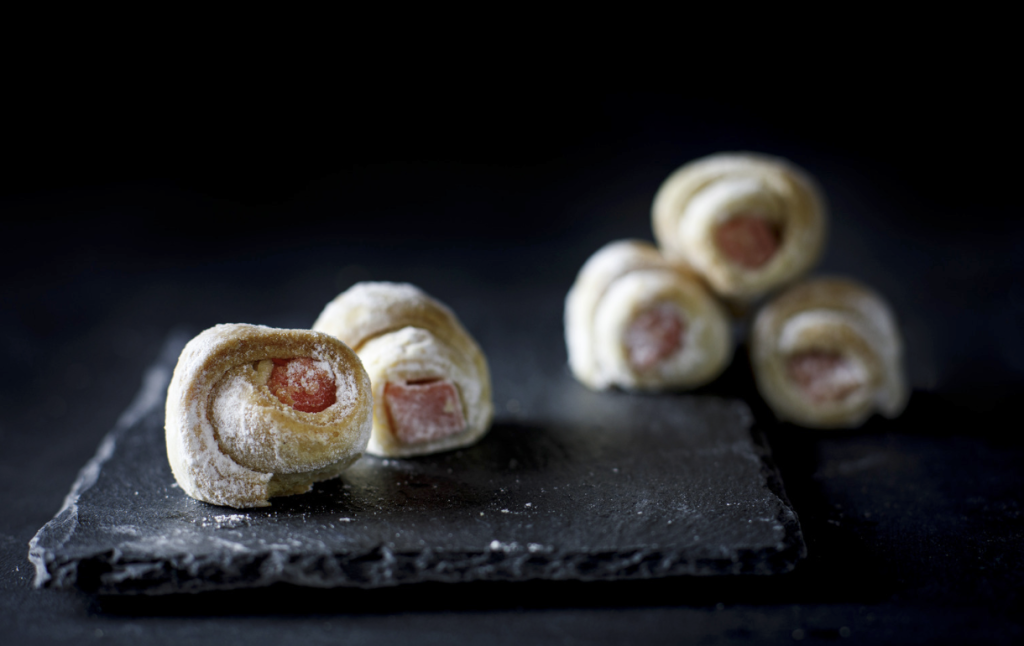
Bezele (egg whites cookies) are light as air meringues. Romanian bakers often shape them into roses or swans. These perfect light treats satisfy your sweet tooth without being too heavy. Local bakeries still make them fresh daily using traditional Romanian recipes.


Creamy Romanian Desserts and Puddings
Romanian rice pudding stands out among creamy desserts. Unlike other versions, Romanian cooks often add lemon zest and vanilla. The result is a delicious dessert that’s both comforting and sophisticated. Many families serve it as a childhood dessert that brings back memories.
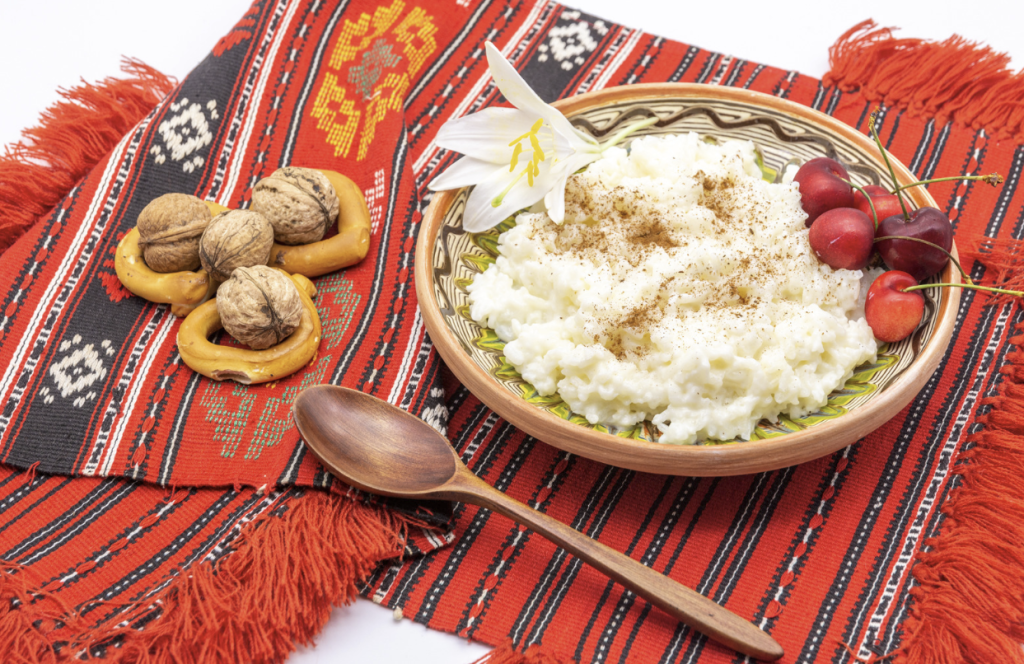
Budincă de vanilie transforms simple ingredients into magic. This vanilla pudding appears at every special occasion. Romanian grandmothers guard their recipes fiercely. The secret lies in slow cooking and constant stirring. The fluffy texture comes from properly whipped egg whites folded in at the end.
Cremă de căpșuni showcases Romania’s love for fresh fruit. This strawberry cream dessert peaks during summer months. Local bakeries layer it between sponge cake or serve it solo. The sweet treat combines cream cheese with fresh berries for incredible flavor.
Romanian chocolate cake variations include rich chocolate cream layers. These types of desserts satisfy any chocolate lovers‘ craving. The chocolate buttercream gets made with cocoa powder and real butter. Each bite delivers pure indulgence.
Înghețată de casă (homemade ice cream) uses traditional methods. Romanian families still make it without machines. The mixture of water, cream, and natural flavors creates smooth texture. It’s a popular dessert that beats store-bought versions every time. Romanian friends often share their family recipes as treasured gifts.
Fruit-Based Romanian Sweet Treats
Dulceață transforms seasonal fruits into year-round treasures. These fruit preserves aren’t just condiments—they’re delicious desserts served with fresh bread or sweet cheese. Romanian grandmothers make dozens of jars each summer. Sour cherry jam and plum preserve rank among the most popular choices.
Compot offers a lighter alternative to heavy desserts. This fruit compote gets served warm in winter and chilled in summer. The mixture of water, sugar, and fresh fruit creates a refreshing sweet treat. Many Romanian families drink it as a healthy dessert alternative that satisfies any sweet tooth.
Prăjitura cu fructe showcases seasonal ingredients perfectly. These fruit cakes change throughout the year. Spring brings strawberry versions, while autumn features cu mere (apple) variations. The cakes often rival apple pie in popularity but use traditional Romanian recipes instead.
Mere coapte (baked apples) represent comfort food at its finest. Romanian cooks stuff apples with nuts, honey, and spices. The result tastes like apple pie filling without the crust. This perfect light treat appears at family dinners across Eastern Europe.
Cu prune (plum dumplings) deserve special mention. These Romanian plum dumplings wrap sweet fruit in potato dough. Rolled in breadcrumbs and sugar, they’re a beloved dessert from the south of the country. Local bakeries make them fresh during plum season, creating lines of eager customers.
Holiday and Celebration Romanian Desserts
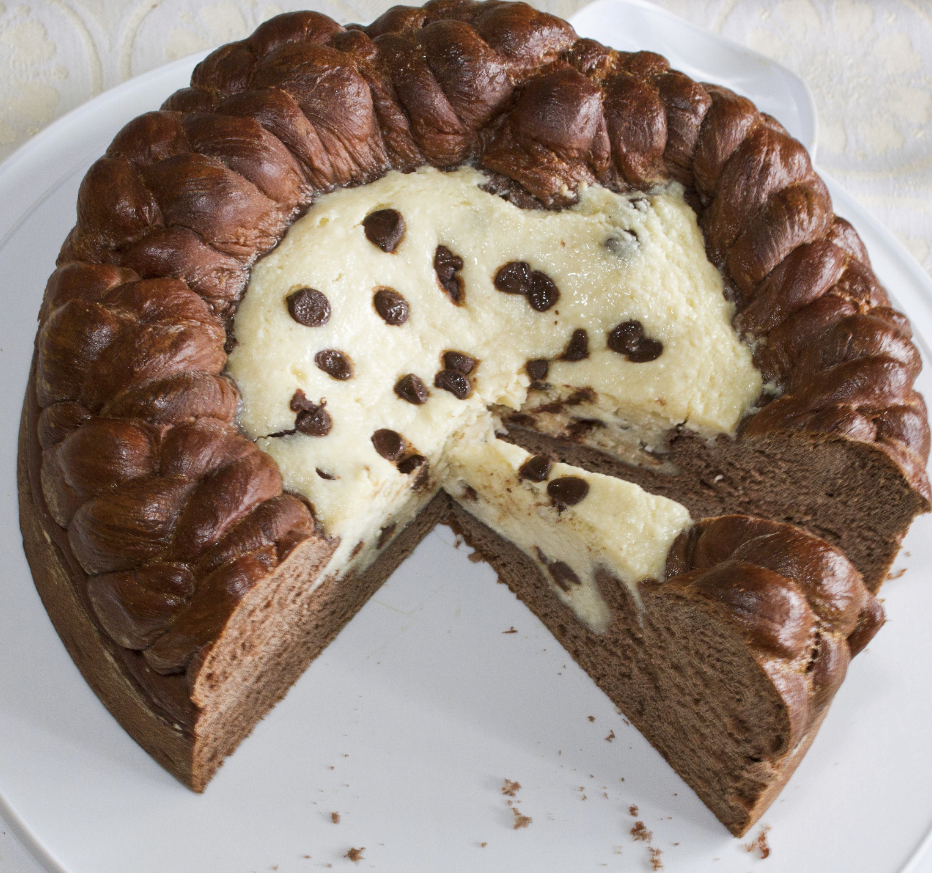
Easter desserts hold sacred meaning in Romanian culture. Pască combines sweet cheese with lemon zest in a traditional cake. Families spend days preparing this classic Romanian dessert. The cottage cheese filling symbolizes renewal and hope. Every pastry shop creates their own version during Easter week.
Cozonac transforms holidays into celebrations. This sweet bread takes hours to prepare properly. The sweet dough gets braided with nuts, cocoa, or Turkish delight filling. Romanian bakers compete to create the tallest, fluffiest versions. It’s the most traditional Romanian dessert for both Easter and Christmas.
Christmas sweets include Turtă dulce (gingerbread cookies). These treats feature intricate designs and religious symbols. Children help decorate them, making it a beloved dessert tradition. The cookies often hang on Christmas trees as edible ornaments.
Wedding desserts showcase elaborate layers of sponge cake creations. These multi-tiered masterpieces require expert baking skills. Cake shops across Romania specialize in wedding confections. The chocolate buttercream decorations often tell the couple’s story through sugar art.
Name day celebrations feature simpler but equally meaningful treats. Families gather to share traditional Romanian pastries and homemade ice cream. These special occasions strengthen bonds while honoring Romanian cuisine traditions. Romanian friends often bring their grandmother’s secret recipes to share with the celebration.








How to Make Authentic Romanian Desserts at Home
Making authentic Romanian desserts starts with the right ingredients. Stock your pantry with sour cream, sweet cheese, and cottage cheese. These basics appear in most traditional Romanian recipes. Lemon zest adds brightness, while cocoa powder creates rich chocolate flavors. Local bakeries often sell specialty ingredients you can’t find in regular grocery stores.
Sweet dough requires patience and practice. Romanian bakers knead it slowly, allowing proper fermentation. The fluffy texture comes from this careful process. Don’t rush—good Romanian sweets take time. Your taste buds will thank you for the extra effort.
Traditional techniques beat modern shortcuts every time. Egg whites should be whipped by hand when possible. The mixture of water, flour, and other ingredients needs gentle folding. These methods create the authentic textures that make Romanian cuisine special.
Essential equipment includes wooden spoons and ceramic bowls. Romanian grandmothers swear these tools make better desserts. A good stand mixer helps with chocolate buttercream and sweet dough preparation. However, many classic Romanian desserts require only basic kitchen tools.
First time bakers should start simple. Try salam de biscuiti before attempting complex layered cakes. Practice makes perfect with Romanian traditional desserts. Next time you’ll feel more confident tackling challenging recipes like cozonac or papanași. Remember, even mistakes taste delicious when made with love.
Where to Find the Best Romanian Desserts
Bucharest offers incredible dessert destinations for every sweet tooth. Casa Capsa remains the gold standard for traditional Romanian pastries. This historic venue serves Joffre cake and other classics exactly as they did 100 years ago. The extra cost pays for authenticity and atmosphere.
Local bakeries throughout Romania create fresh desserts daily. Small cake shops often outshine fancy establishments. Look for places where Romanian friends recommend—locals know the best Romanian desserts. These hidden gems serve childhood desserts that taste like family recipes.
Pastry shops in major cities now embrace social media. Many showcase their creations on TikTok, attracting younger customers. These modern bakers still use traditional Romanian recipes but present them beautifully. It’s a perfect blend of old and new approaches.
International Romanian restaurants worldwide serve authentic Romanian desserts. Cities with large Romanian communities offer the most delicious options. These establishments import specialty ingredients to maintain authenticity. Romanian cuisine travels well when chefs respect traditional methods.
Food trucks bring Romanian sweets to street level. These mobile vendors often specialize in gogoși and other popular desserts. The street food scene introduces Romanian traditional desserts to curious newcomers. It’s an affordable way to explore this amazing cuisine.
Online sources help when local bakeries don’t carry Romanian specialties. Specialty importers ship sweet cheese and other unique ingredients worldwide. This makes creating authentic Romanian desserts possible anywhere.
Conclusion
Romanian desserts offer a delightful journey through centuries of culinary tradition, where every bite tells a story of cultural heritage and family memories. From the indulgent papanași to the festive cozonac, these sweet treasures showcase Romania’s unique position at the crossroads of European influences.
Whether you’re inspired to try making these desserts at home or planning to taste them during a visit to Romania, you’re now equipped with the knowledge to appreciate their cultural significance and authentic flavors. Start with one or two recipes that appeal to you most, and gradually explore this rich dessert tradition.
Ready to embark on your Romanian dessert adventure? Begin with papanași—it’s the perfect introduction to Romania’s sweet culinary heritage and guaranteed to create lasting memories.