Stellenbosch Wineries: Ultimate Guide to South Africa’s Premium Wine Region
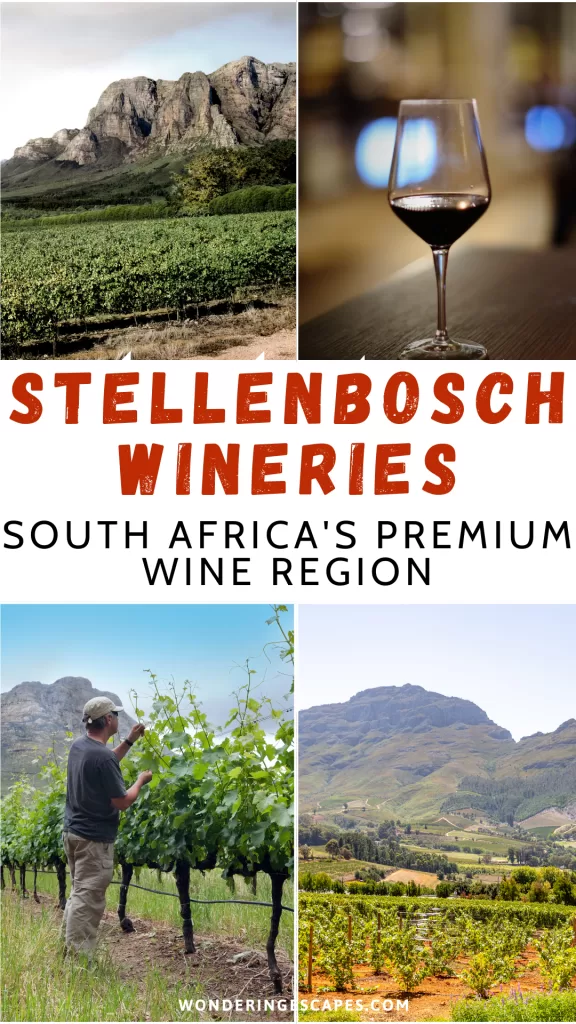

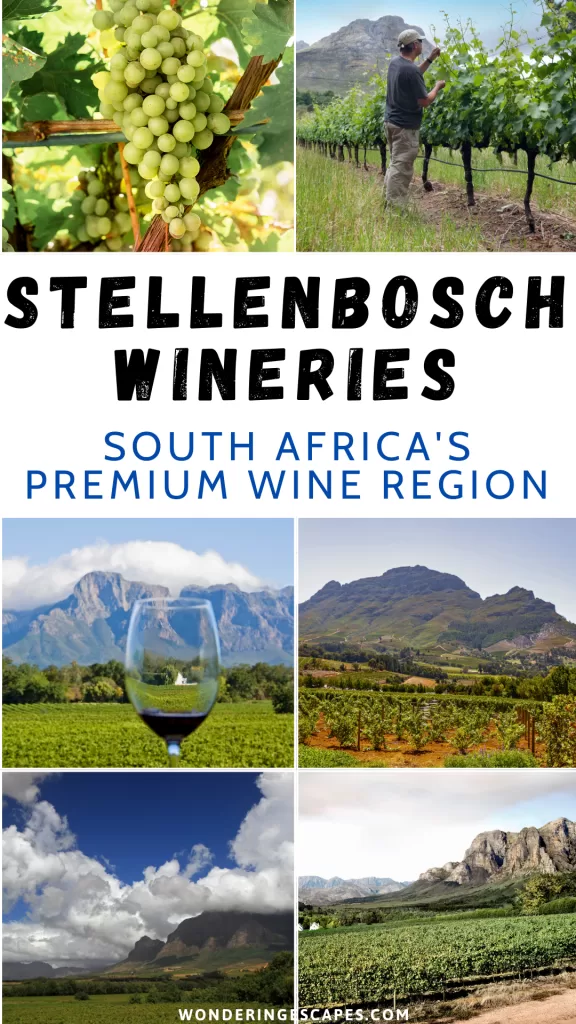
The rolling hills of Stellenbosch, bathed in golden sunshine, have been producing some of South Africa’s most exceptional wines for over 300 years! As the second oldest European settlement in the country, Stellenbosch combines rich heritage with cutting-edge winemaking techniques. Did you know that Stellenbosch is home to more than 200 wine producers? From world-renowned estates to intimate family-run operations, join us to explore this remarkable region to bring you the definitive guide to Stellenbosch wineries that every wine enthusiast must visit.
You may also like this:

The History and Heritage of Stellenbosch Wine Country
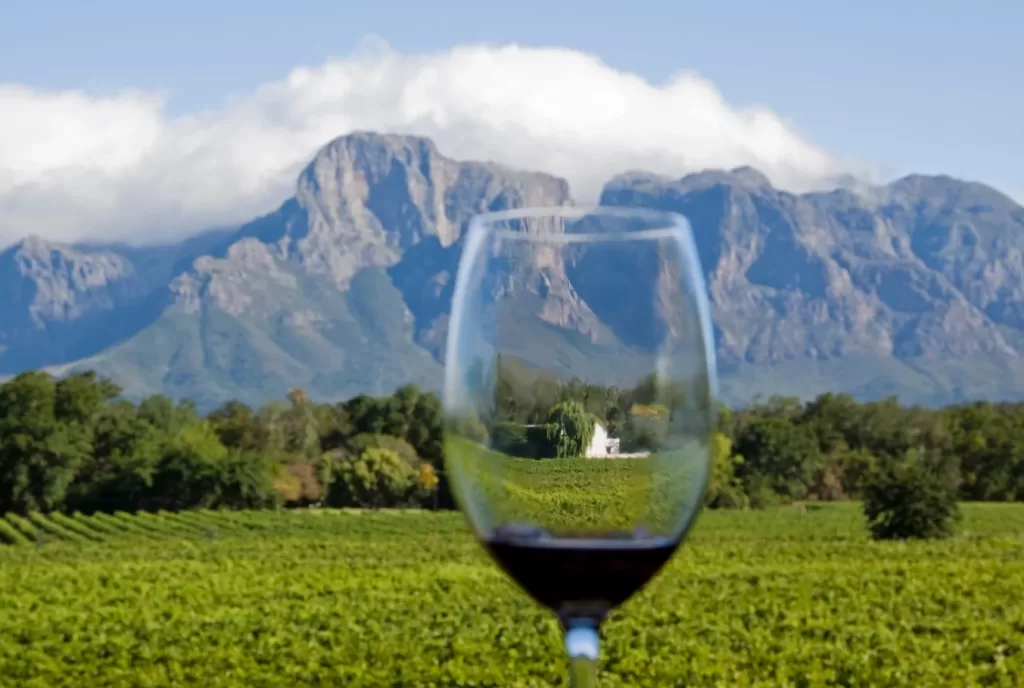
The story of Stellenbosch wineries begins in 1679 when Dutch East India Company Governor Simon van der Stel first recognized the region’s potential for agriculture. Enchanted by the fertile valley with its rich soil, he established what would become South Africa’s most famous wine-producing region. The town’s name literally honors him – “Stellenbosch” means “Van der Stel’s forest.”
The introduction of vines to the Stellenbosch region was transformative. French Huguenot refugees arriving in the 1680s brought viticulture expertise that significantly elevated local winemaking practices. These settlers, fleeing religious persecution, found the Cape Winelands reminiscent of their homeland’s terroir and climate. Their influence remains evident in many historic estates bearing French names and architectural elements.
By the early 1700s, Stellenbosch wine farms were producing wines gaining recognition beyond South African borders. The region’s reputation grew steadily as Dutch colonial powers supported agricultural development, particularly viticulture. The oak-lined streets of Stellenbosch town – planted during this period – gave rise to its nickname “Eikestad” (City of Oaks), symbolizing the deep connection between the town’s history and its natural environment.
Evolution of a Wine Region
The British occupation in the 19th century brought further advancements to the wine industry. New technologies, market connections, and viticulture science helped modernize production methods. This period also saw the establishment of several oldest wine estates that remain landmarks today. The founding of the University of Stellenbosch in 1918 further cemented the region’s commitment to agricultural innovation, eventually leading to dedicated viticulture and oenology programs that continue to produce world-class winemakers.
The modern era of Stellenbosch wines began taking shape in the mid-20th century. The introduction of temperature-controlled fermentation, improved understanding of the region’s unique terroir, and investment in research revolutionized quality. The establishment of the Stellenbosch Wine Routes in 1971 – South Africa’s first organized wine route – created a formal structure for wine tourism that continues to evolve today.
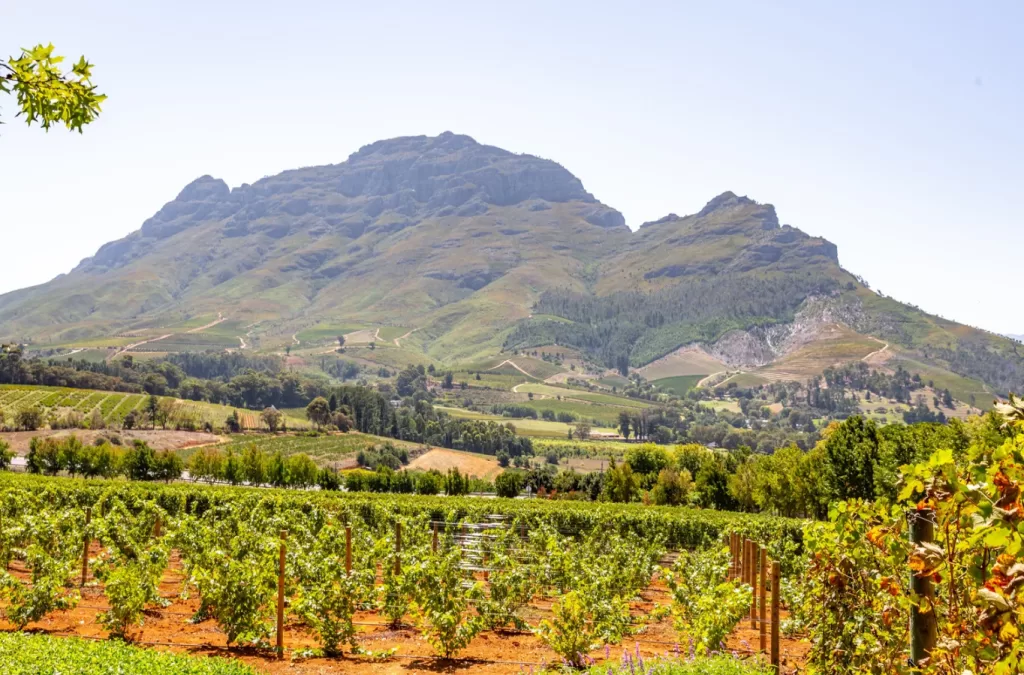
The end of apartheid in the 1990s opened international markets previously closed to South African producers. Stellenbosch wineries seized this opportunity, investing heavily in quality improvements and sustainable practices. Today, the region’s more than 200 producers range from century-old estates to innovative newcomers, all united by their commitment to expressing the exceptional qualities of this wine region.
The Stellenbosch area now stands proudly alongside the world’s great wine regions, with its 150+ square kilometers of vineyards producing wines that regularly receive gold medals at international competitions. This remarkable journey from colonial outpost to global wine powerhouse represents one of the wine world’s most compelling success stories – a heritage visitors can experience firsthand at the cellar doors across the valley.



Top 10 Stellenbosch Wineries to Visit
For wine enthusiasts planning their Cape Winelands adventure, these ten exceptional Stellenbosch wineries offer the perfect introduction to the region’s diversity and excellence.
Kanonkop Wine Estate stands as a towering figure among Stellenbosch wine farms, often called South Africa’s “First Growth.” Specializing in red wines, particularly Cabernet Sauvignon and Pinotage, this fourth-generation family estate delivers consistently award-winning wines. Their flagship Paul Sauer blend has achieved perfect scores from international critics, cementing their position among the best wineries in the region. Visitors will appreciate their traditional open concrete fermenters and extensive barrel cellar tours.
The historic estate of Rust en Vrede offers an unforgettable experience in a spectacularly preserved 1700s setting. Focusing exclusively on red wines (primarily Cabernet Sauvignon, Cabernet Franc, and Syrah), this estate combines heritage with innovation. Their tasting room occupies the original cellar building, while their restaurant consistently ranks among South Africa’s good restaurants. The estate’s commitment to excellence is evident in their limited production and meticulous attention to vineyard management.
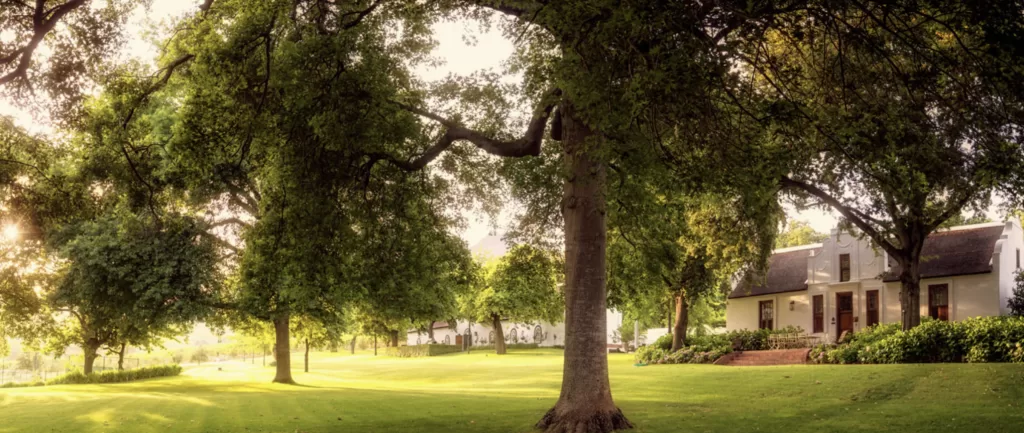
For stunning architecture combined with exceptional wines, Delaire Graff Estate provides an unparalleled luxury experience. Perched on the Helshoogte Pass with panoramic views toward Table Mountain and False Bay, this “jewel of the Cape Winelands” offers wine tastings in an art-filled setting. Their portfolio spans excellent Cabernet Sauvignon, Chardonnay, and sparkling wines, complemented by world-class dining and accommodation options.
A Blend of Tradition and Innovation
Jordan Wine Estate represents the perfect balance between tradition and innovation. This family-owned property specializes in terroir-driven wines that showcase the Stellenbosch hills’ diversity. Their range includes outstanding Chenin Blanc, Sauvignon Blanc, and Bordeaux-style blends. The estate’s ideal location between the Simonsberg Mountains and Stellenbosch Hills creates a unique microclimate that visitors can experience through vineyard walking tours before enjoying panoramic views from their modern tasting room with ceiling windows.
Ken Forrester Wines has earned the nickname “Mr. Chenin” for elevating Chenin Blanc to world-class status. This boutique winery on the slopes of the Helderberg specializes in expressing South Africa’s signature white variety through various styles, from fresh everyday wines to complex barrel-fermented reserves that rival fine white Burgundies. Their intimate tasting venue offers visitors personal attention and detailed insights into this remarkable grape variety.
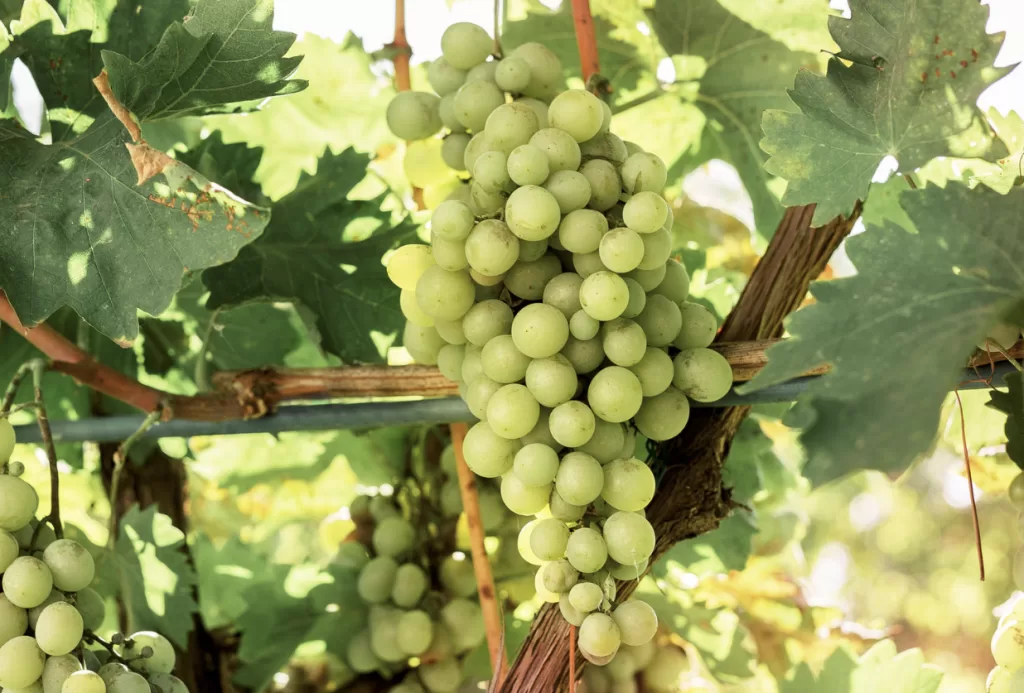
For lovers of Bordeaux-style blends, De Toren represents precision viticulture at its finest. This technologically advanced estate employs satellite imagery, soil mapping, and even a gravity-flow cellar to produce their flagship Book XVII and Fusion V blends. Their innovative approach extends to wine tourism, offering specialized tastings focusing on the influence of different soil types on Cabernet Franc, Petit Verdot, and Cabernet Sauvignon.
Tokara exemplifies the perfect location for showcasing Stellenbosch’s diversity. Straddling the Simonsberg, this architecturally striking estate produces outstanding Cabernet Sauvignon and Sauvignon Blanc alongside award-winning olive oils. Visitors enjoy breathtaking views from their modern tasting room while sampling wines that consistently earn gold medals in international competitions.
A Diverse and Thriving Wine Scene
Blending history with modernity, Asara Wine Estate offers a comprehensive wine tourism experience. This 180-hectare estate features restored Cape Dutch buildings alongside contemporary additions housing an excellent restaurant and hotel. Their diverse portfolio spans everyday favorites to reserve-level fine wines, with standout Cabernet Sauvignon and white blends reflective of the Stellenbosch vineyards’ diversity.
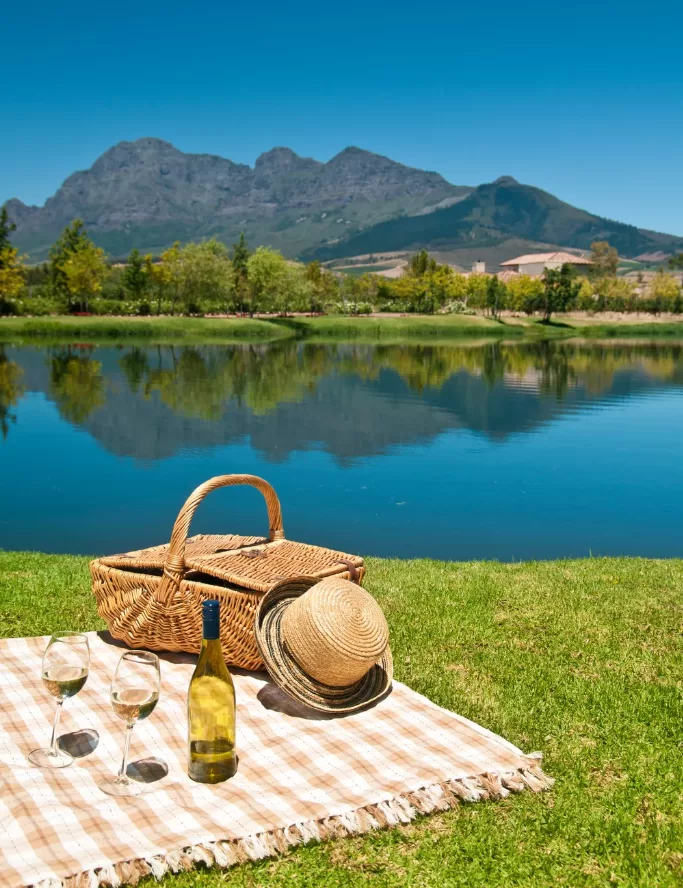
For those seeking hidden gems, Keermont Vineyards provides an authentic, small-production experience in the breathtaking Jonkershoek Valley. Nestled against the Jonkershoek Nature Reserve, this family-owned operation focuses on minimal intervention winemaking to express their unique mountain terroir. Their handcrafted Syrah and red blends have earned cult status among collectors seeking wines of distinctive character and sense of place.
Rounding out our selection, Reyneke Wines is South Africa’s first certified biodynamic producer among others in the region. Their commitment to environmental stewardship and natural winemaking results in vibrant, expressive wines that showcase Stellenbosch’s potential for sustainable viticulture. Their Chenin Blanc and Syrah demonstrate that ecological responsibility and great wine quality are perfectly compatible, making this thoughtful producer a must-visit for environmentally conscious wine lovers.
These ten exceptional properties represent diverse approaches to winemaking but share a common commitment to quality and authentic expression of the Stellenbosch region’s remarkable terroir. Each offers visitors a distinctive perspective on what makes Stellenbosch wineries world-class destinations for wine enthusiasts.
Stellenbosch Wine Routes: Planning Your Perfect Itinerary
Navigating the renowned Stellenbosch Wine Routes requires strategic planning to maximize your experience of this magnificent wine region. Established in 1971 as South Africa’s first organized wine tourism initiative, these routes now encompass five distinct sub-regions, each offering unique landscapes and wine styles.
Exploring Stellenbosch’s Diverse Wine Routes
The Stellenbosch Berg route showcases estates nestled against the dramatic backdrop of the Simonsberg Mountains. This area’s cooler slopes create the perfect location for cultivating exceptional Cabernet Sauvignon and Cabernet Franc. Estates here benefit from extended ripening periods, producing wines with remarkable complexity and aging potential. When planning your visit, allocate at least half a day to explore flagship properties like Thelema and Tokara, where vineyard elevation creates wines of distinct character.
For those drawn to history, the Stellenbosch Hills route features some of the region’s oldest wine estates. Many properties along this route display classic Cape Dutch architecture with their distinctive gables and oak-lined streets leading to stately manor houses. The warmer conditions in this sub-region favor robust red wines with generous fruit profiles. A full-day itinerary should include historical tours at properties like Spier and Neethlingshof, where centuries of winemaking heritage are palpably evident.
The Helderberg route offers breathtaking views stretching to False Bay, where cooling ocean breezes create ideal conditions for producing outstanding Chardonnay and Chenin Blanc. This maritime influence gives white wines from this area their characteristic freshness and mineral complexity. Plan to visit Ken Forrester and Vergelegen if you appreciate world-class white wines with remarkable aging potential.
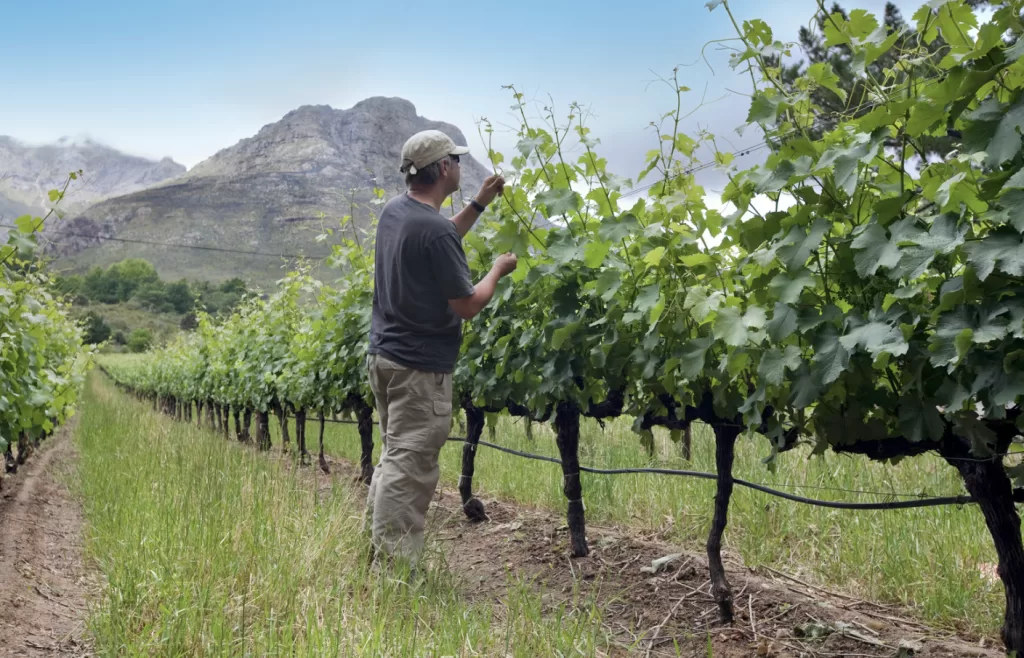
For adventurous wine lovers, the Bottelary Hills and Greater Simonsberg routes provide access to both established icons and emerging stars of the Stellenbosch wineries scene. These areas feature diverse soil composition, allowing producers to craft distinctive expressions of classic varieties. A two-day exploration allows time to discover hidden gems like Hartenberg and Kanonkop, where traditional approaches result in wines of extraordinary character.



Planning Your Perfect Wine Tour
When crafting your Stellenbosch wine routes itinerary, consider transportation carefully. Self-drive options offer flexibility but require a designated driver given South Africa’s strict drunk-driving laws. Alternatively, numerous specialized tour operators provide guided experiences ranging from shared minibus tours to private luxury excursions. For groups, the Vine Hopper hop-on-hop-off service connects major estates, offering convenience without sacrificing independence.
Timing your visit strategically enhances your experience of Stellenbosch vineyards. The harvest season (February-April) brings energetic activity (and lots of tourists) but limited winemaker availability for personalized interactions. The shoulder seasons (October-November and April-May) provide ideal visitation conditions with pleasant temperatures, operational wineries, and fewer crowds. The winter months (June-August) offer intimate tasting experiences, often with principal winemakers available for in-depth discussions despite occasional rainy days.
For the best experience, balance prestigious estates with smaller discoveries. While Delaire Graff Estate and Rust en Vrede deliver world-class experiences, don’t overlook boutique producers like Stark-Condé and Oldenburg, where personalized attention creates memorable connections to the wine region of Stellenbosch.
Finally, complement your wine exploration with the region’s cultural attractions. The historic university town offers architectural treasures, excellent museums, and the vibrant atmosphere created by the University of Stellenbosch student population. This multifaceted approach to exploring the Stellenbosch area ensures a richly rewarding immersion into South Africa’s premier wine destination.
Wine Tasting Experiences: Beyond the Standard Pour
The modern Stellenbosch wineries scene has evolved far beyond conventional tastings to offer immersive experiences that deepen visitors’ appreciation of South African wines. Today’s wine enthusiasts can choose from a spectrum of innovative approaches designed to educate, entertain, and create lasting memories of the Cape Winelands.
Educational Tastings and Interactive Experiences
Vertical tastings represent one of the most educational experiences available at premium Stellenbosch wine farms. Estates like Rust en Vrede and Jordan Wine Estate offer opportunities to sample multiple vintages of their flagship wines, revealing how weather patterns, winemaking decisions, and aging affect development. These sessions, often guided by senior winemakers, provide fascinating insights into the aging potential of Stellenbosch’s finest Cabernet Sauvignon and red blends. The structured comparison across different harvests demonstrates how the region’s unique terroir expresses itself consistently despite seasonal variations.
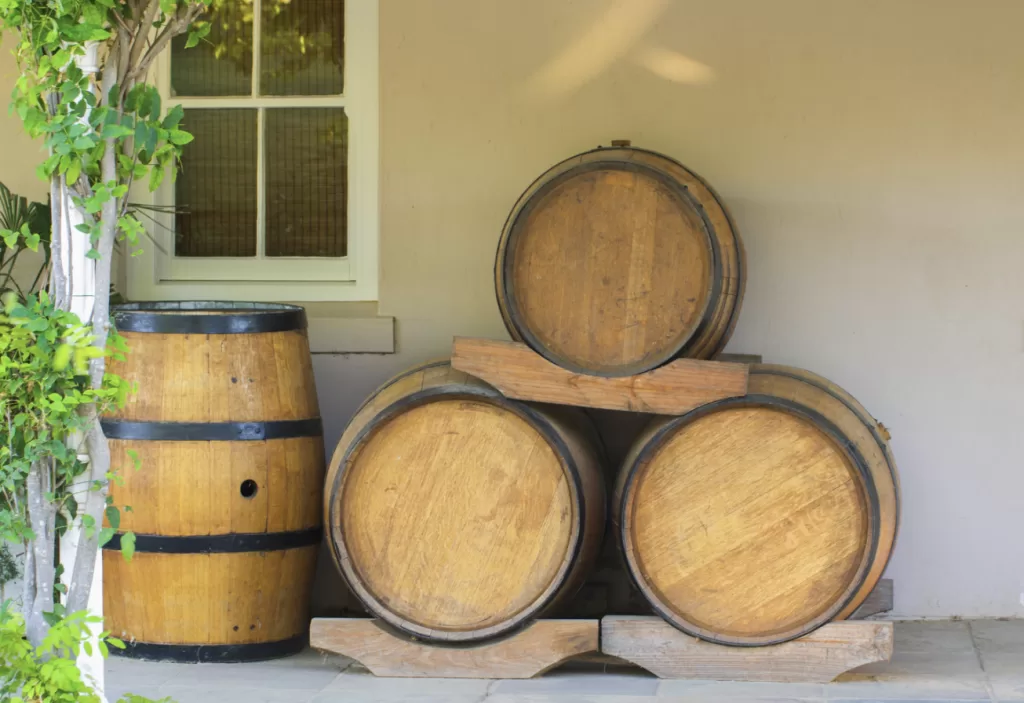
For those seeking to understand winemaking fundamentals, barrel sampling experiences at properties like De Toren and Muratie offer rare glimpses into wines’ evolutionary journey. Tasting directly from barrels of different ages and oak origins illuminates how wood selection influences flavor development. These technical tastings often include access to production facilities normally closed to visitors, creating an unforgettable experience for enthusiasts wanting deeper understanding of craftsmanship behind fine wines.
Culinary pairings have become sophisticated highlights of the Stellenbosch wine routes. Beyond classic cheese platters, estates now offer thoughtfully curated food experiences designed to showcase wine versatility. Waterford’s renowned wine and chocolate pairing demonstrates how specifically developed confections enhance different aspects of their wines. Meanwhile, Spier’s farm-to-table experience connects visitors with the broader agricultural context of wine production, featuring ingredients from their organic farm paired with their award-winning portfolio.
Adventure, Luxury, and Sensory Exploration
For creative visitors, blending workshops provide hands-on participation in the winemaking process. At Middelvlei and Van Ryn’s, guests create personalized cuvées under expert guidance, gaining appreciation for the complex decisions winemakers face. These interactive sessions transform participants from passive tasters to active creators, deepening their connection to the Stellenbosch wine tradition. Many estates allow visitors to bottle, cork, and label their creations, providing distinctive souvenirs of their Stellenbosch wineries experience.
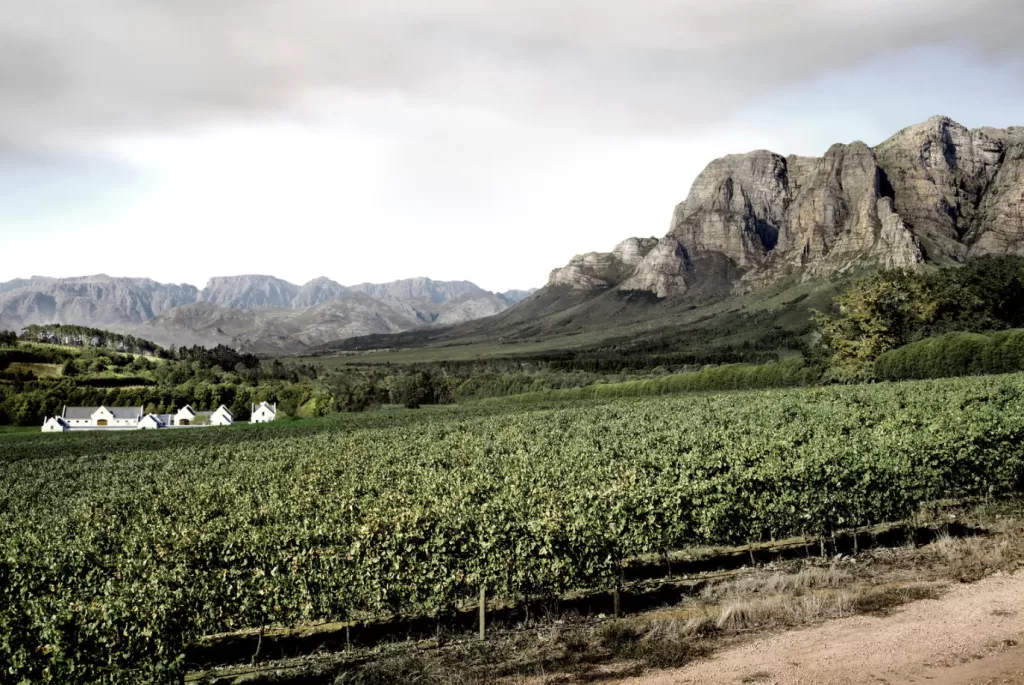
The region’s spectacular landscapes have inspired estates to develop vineyard exploration beyond traditional cellar tours. Waterkloof and Delvera offer guided horseback rides through their Stellenbosch vineyards, providing unique perspectives on viticulture while enjoying breathtaking views toward Table Mountain and False Bay. For fitness enthusiasts, hiking trails through properties adjacent to the Jonkershoek Nature Reserve combine exercise with education about the region’s remarkable biodiversity and its influence on viticulture.
Exclusive Tastings and High-End Experiences
Specialized masterclasses have emerged for visitors seeking intensive education. Ken Forrester’s deep dive into Chenin Blanc explores South Africa’s signature white variety through comparative tastings spanning styles from sparkling to sweet. Similarly, Kanonkop’s Pinotage experience traces this uniquely South African crossing from its origin story to its modern expression in their award-winning wines.
For those drawn to sensory exploration, blind tasting challenges at estates like Beyerskloof and L’Avenir test and develop participants’ palates in a playful, competitive format. These sessions, often structured as friendly competitions, help visitors identify key characteristics of different varieties while building confidence in their tasting abilities.
The most exclusive experiences combine multiple elements into comprehensive packages. Delaire Graff Estate’s premium offering includes helicopter transfers from Cape Town, private cellar tours, reserve wine tastings with the winemaker, and fine dining overlooking the Stellenbosch Hills. These luxury experiences represent the pinnacle of wine tourism, attracting connoisseurs seeking the very best of Stellenbosch wineries.
What distinguishes truly exceptional tasting experiences is their ability to convey the passion and philosophy driving each estate. Whether enjoying Stellenbosch Chardonnays in a historic tasting room or exploring contemporary architecture with ceiling windows framing vineyard views, these thoughtfully designed experiences create emotional connections that transform visitors into lifelong ambassadors for Stellenbosch wines.
Understanding Stellenbosch’s Terroir and Wine Varieties
What makes Stellenbosch wines truly exceptional lies in the complex interplay between geography, climate, and human expertise. The region’s unique terroir – that magical combination of soil, topography, and microclimate – creates distinctive growing conditions that have established Stellenbosch as South Africa’s premier wine region.
The diverse topography of the Stellenbosch area provides a remarkable variety of growing environments within a relatively compact area. Elevations range from 50 meters above sea level to more than 600 meters on the slopes of the Simonsberg Mountains and Helderberg. This variation creates multiple microclimates, allowing producers to match specific grape varieties to their ideal growing conditions. The region’s mountains also serve as both barriers and funnels for cooling air, creating dramatic temperature differences between adjacent vineyards.
Stellenbosch benefits tremendously from its proximity to two oceans. Cool breezes from False Bay moderate the otherwise hot, dry summers that characterize the Cape’s Mediterranean climate. This maritime influence is particularly pronounced in the southern and eastern sections of the region, where morning fog and afternoon winds extend the growing season and develop complex flavor profiles in varieties like Sauvignon Blanc and Chardonnay. This cooling effect helps preserve crucial acidity in the grapes, giving Stellenbosch wines their characteristic freshness and aging potential.
Perhaps most fascinating is the region’s remarkable soil diversity. The Stellenbosch region contains over 50 distinct soil types, often changing dramatically within single estates. Decomposed granite dominates many hillside vineyards, providing excellent drainage and mineral complexity ideal for Cabernet Sauvignon and Cabernet Franc. Meanwhile, shale-derived soils in other areas retain more moisture, benefiting varieties like Chenin Blanc and Pinotage. This tapestry of different soil types allows Stellenbosch wineries to produce a wide spectrum of wine styles, from elegant whites to powerfully structured reds.
Stellenbosch’s Signature Grape Varieties
When discussing signature varieties, Cabernet Sauvignon reigns as king in Stellenbosch. The region’s combination of warm days, cool nights, and free-draining soils creates perfect conditions for this noble variety. Stellenbosch Cabernet typically exhibits concentrated blackcurrant flavors, fine-grained tannins, and remarkable aging capacity. Exemplary producers like Rust en Vrede and Jordan Wine Estate craft expressions that confidently stand alongside the world’s finest Cabernets.
Equally important to Stellenbosch’s identity is Pinotage – South Africa’s signature cross between Pinot Noir and Cinsault. Once controversial, this variety has found its spiritual home in the Stellenbosch hills, where pioneering producers have refined winemaking techniques to showcase its unique character. Modern Pinotage from producers like Beyerskloof and Kanonkop demonstrates remarkable depth, with dark fruit flavors complemented by complex earthy notes and silky tannins when handled by skilled winemakers.
While red wines have traditionally dominated attention, Stellenbosch Chardonnays have emerged as world-class contenders. Cooler sites in the Banghoek Valley and along the Helderberg produce taut, mineral-driven expressions with remarkable precision and aging potential. Meanwhile, warmer sites offer more opulent interpretations with tropical fruit profiles balanced by judicious oak integration. This stylistic range demonstrates the versatility of the Stellenbosch region.
Emerging Varieties and the Future of Stellenbosch Wine
Chenin Blanc represents another success story, with Stellenbosch at the forefront of elevating this variety to fine wine status. Pioneering producers like Ken Forrester have demonstrated the grape’s remarkable versatility, producing styles ranging from crisp and unoaked to complex barrel-fermented versions and even noble late harvest dessert wines. The variety’s natural acidity and affinity for expressing mineral characteristics make it perfectly suited to Stellenbosch’s varied terroirs.
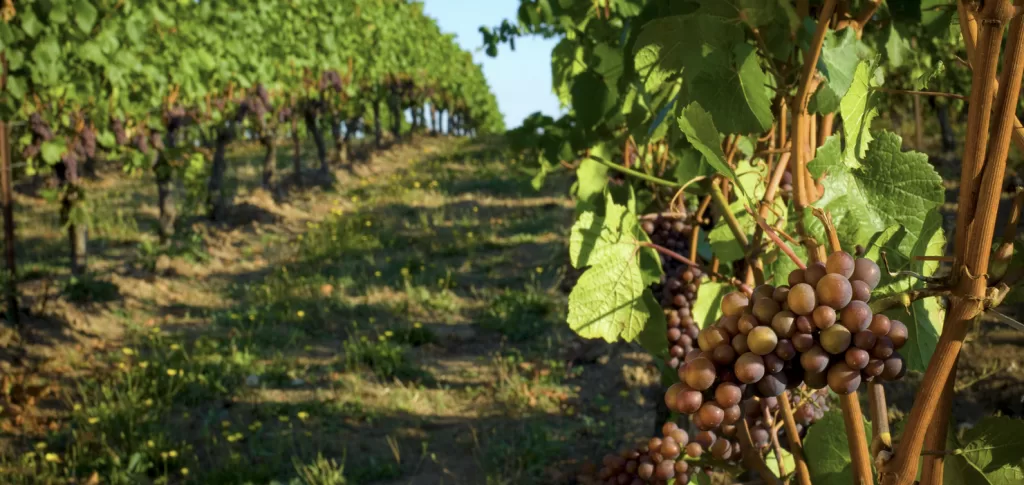
For those exploring the region’s diversity, attention should also be paid to emerging varieties showing exceptional promise. Petit Verdot, traditionally a blending component, now stars in single-varietal bottlings from producers like Stark-Condé and Remhoogte. Mediterranean varieties like Mourvèdre and Grenache are finding success in warmer sites, while aromatic whites like Viognier and Roussanne are expanding the region’s stylistic palette.
While the classic Bordeaux varieties and blends have established Stellenbosch’s international reputation, the region’s continued evolution demonstrates a dynamic wine culture. Forward-thinking producers are experimenting with site-specific expressions, minimal intervention approaches, and rediscovery of heritage varieties. This combination of established excellence and continuous innovation ensures that exploring Stellenbosch wineries offers both reassuring quality and exciting discovery.
The fundamental gift of Stellenbosch’s terroir is its ability to produce wines of power and concentration without sacrificing elegance or aging potential. This remarkable balance, expressed through thoughtfully matched varieties and winemaking approaches, continues to define the best wines from this extraordinary corner of the Cape Winelands.








Conclusion
Stellenbosch’s winelands offer an unparalleled blend of natural beauty, historical significance, and world-class wines that continue to captivate visitors from around the globe. Whether you’re a serious oenophile or simply enjoy the occasional glass, the wineries of Stellenbosch provide experiences that engage all the senses and create lasting memories. As you plan your wine journey through this magnificent region, remember that each estate tells its own unique story through the wines it produces. So raise a glass to South Africa’s most celebrated wine region—I promise your Stellenbosch adventure will be one for the books!