15 Hidden Beach Destinations to Escape the Crowds in Summer
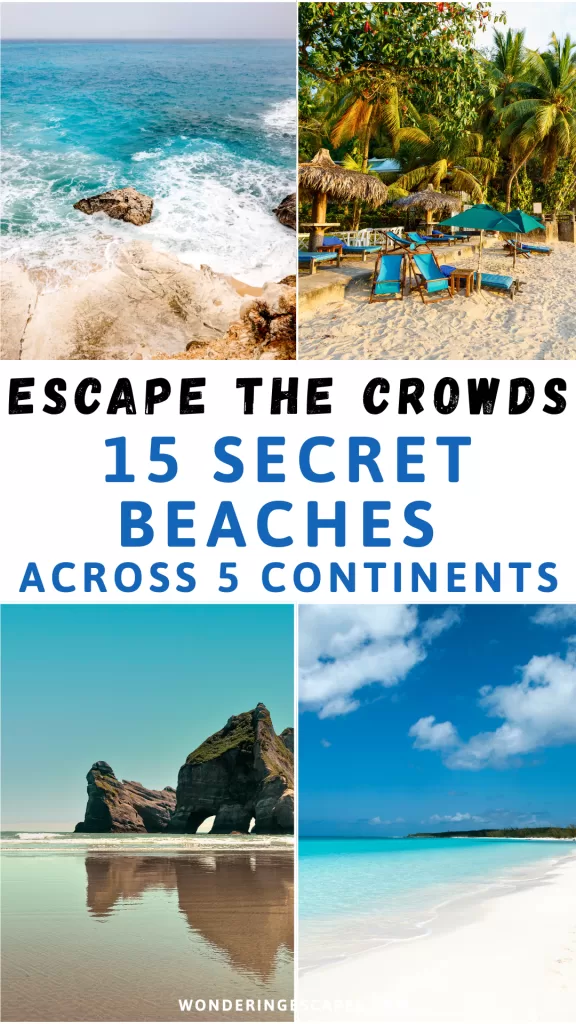
Did you know that a majority of travelers—nearly 80% in recent travel surveys—say overcrowded beaches diminish their vacation experience? I’ve been there too! After spending hours researching and years exploring, I’ve compiled the ultimate list of hidden beach destinations where you can actually hear the waves instead of other tourists. Summer this year is expected to see record travel numbers, but these secluded coastal gems will let you enjoy pristine sands and crystal waters in peace. Ready to discover your own slice of paradise? Let’s dive in!
You may also like this:
Secret Mediterranean Escapes
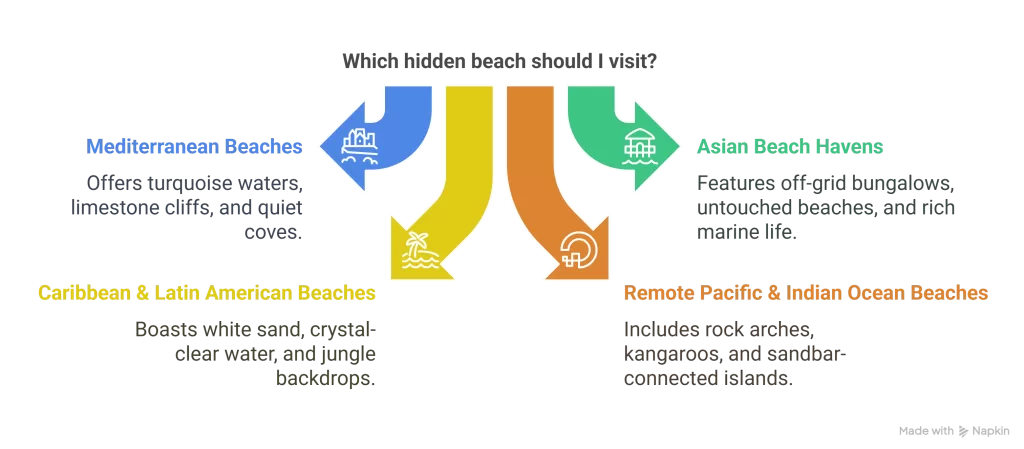
The Mediterranean coastline is renowned for its azure waters and picturesque beaches, but summer crowds can quickly transform paradise into pandemonium. Fortunately, several hidden beach destinations still exist for those willing to venture beyond the usual tourist trails.
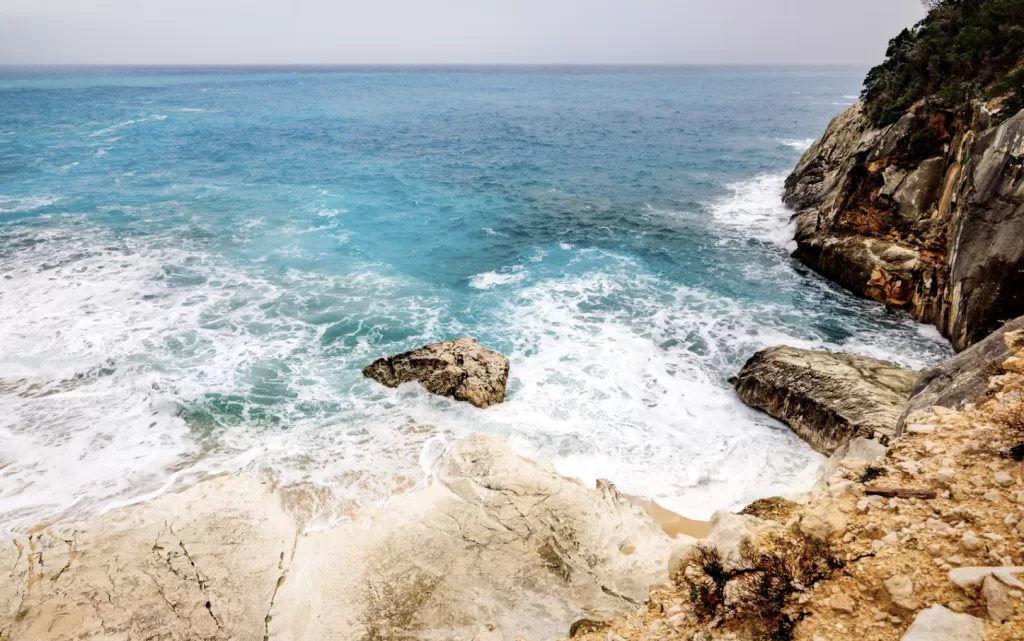
Kaputaş Beach in Turkey remains one of the Mediterranean’s most breathtaking secrets. Nestled between towering cliffs in the Kaş region, this stretch of golden sand is accessible only by descending 187 steps from the coastal highway. The effort required to reach this beach naturally limits visitor numbers, making it an ideal escape for summer. The striking turquoise waters create a mesmerizing contrast against the dramatic cliff backdrop. Visit early morning (before 9am) to have this slice of heaven almost entirely to yourself.
Menorca’s Cala Mitjana represents everything a hidden beach destination should be. Despite being only a 20-minute drive from popular resort areas, this pristine cove remains relatively uncrowded. The beach’s limited parking and 15-minute forest walk discourage mass tourism, preserving its natural beauty. The crystal-clear waters here are ideal for snorkeling, with visibility often exceeding 20 meters. For an even more secluded experience, follow the rocky path east to discover Cala Mitjaneta, a smaller sister cove that many visitors never find.


Hidden Coves of Spain, Italy, and Croatia
Travelers seeking true seclusion should mark Cala Goloritzé on their summer itinerary. This UNESCO-protected beach in Sardinia’s Gulf of Orosei emerged after a landslide in 1962, creating what many consider Italy’s most beautiful shoreline. Vehicle access is prohibited, requiring either a challenging 90-minute hike or boat approach (without docking). This natural limestone arch and pinnacle-framed paradise limits daily visitors, requiring advance reservations during peak season. Visit mid-week in late June for the optimal balance of perfect weather and minimal crowds. Sardinian regional park authorities manage the quota system – it’s now via the “Heart of Sardinia” app or tour providers.
Croatia’s tourism boom has left few truly undiscovered coastal gems, except on Vis Island. This former military base remained closed to foreigners until 1989, preserving its authentic character. Stiniva Beach, encircled by 30-meter cliffs with only a narrow opening to the sea, topped European Best Destinations’ list yet remains uncrowded due to difficult access. Arrive by boat through the 5-meter-wide passage or brave the steep 20-minute descent trail. Nearby, Srebrna Bay offers equally stunning scenery with even fewer visitors.
When planning your Mediterranean hidden beach adventure, consider accommodation carefully. Rather than busy coastal resorts, opt for inland villages where locals will direct you to unpublicized shores. In Sardinia, agriturismos near Baunei provide authentic experiences while accessing Cala Goloritzé. On Vis, the fishing village of Komiža offers charming family-run pensiones with hosts knowledgeable about secluded swimming spots that never appear on social media.
Off-the-Radar Asian Beach Havens
Asia offers some of the world’s most spectacular coastlines, yet many of its finest beaches remain blissfully uncrowded. For travelers seeking hidden beach destinations, these Asian shores deliver pristine natural beauty without the masses.
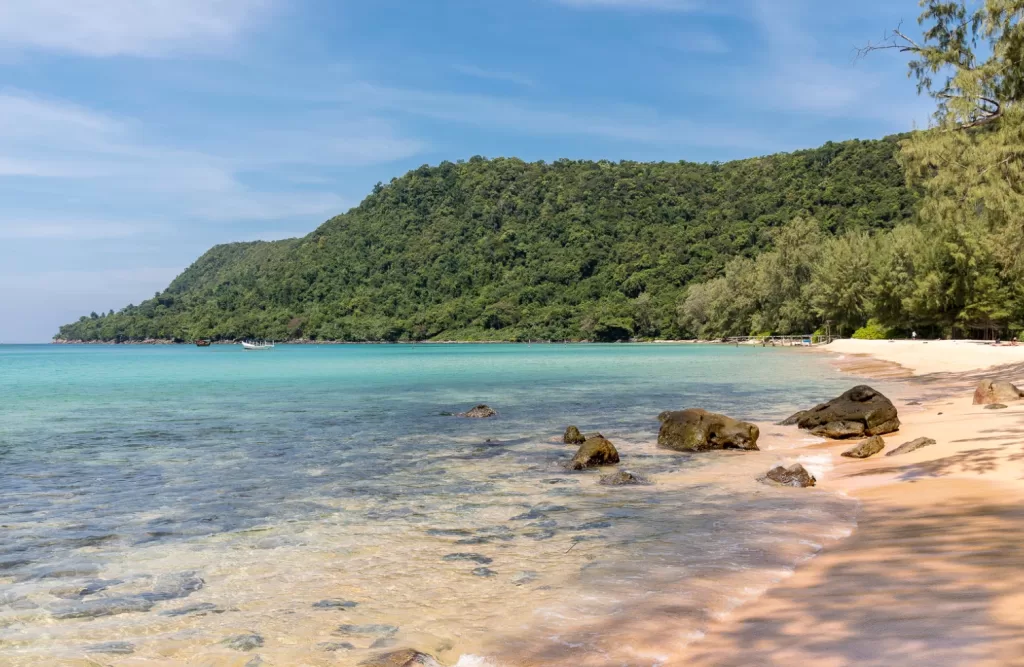
Koh Rong Samloem in Cambodia represents the beach paradise that neighboring Thailand offered decades ago. This island sanctuary sits just 45 minutes by boat from Sihanoukville yet feels worlds away from civilization. The western-facing Saracen Bay features powdery white sand and shallow turquoise waters, but venture beyond to discover true isolation. Lazy Beach on the island’s opposite side offers sunset views in splendid seclusion, while the northern beaches remain virtually untouched. With limited electricity (generally 5pm-11pm only) and spotty internet, this island enforces a digital detox that lets you truly connect with nature. Visit between November and March for optimal weather, avoiding the April-May high temperatures and June-October rainy season.
Untouched Shores from Vietnam to Japan
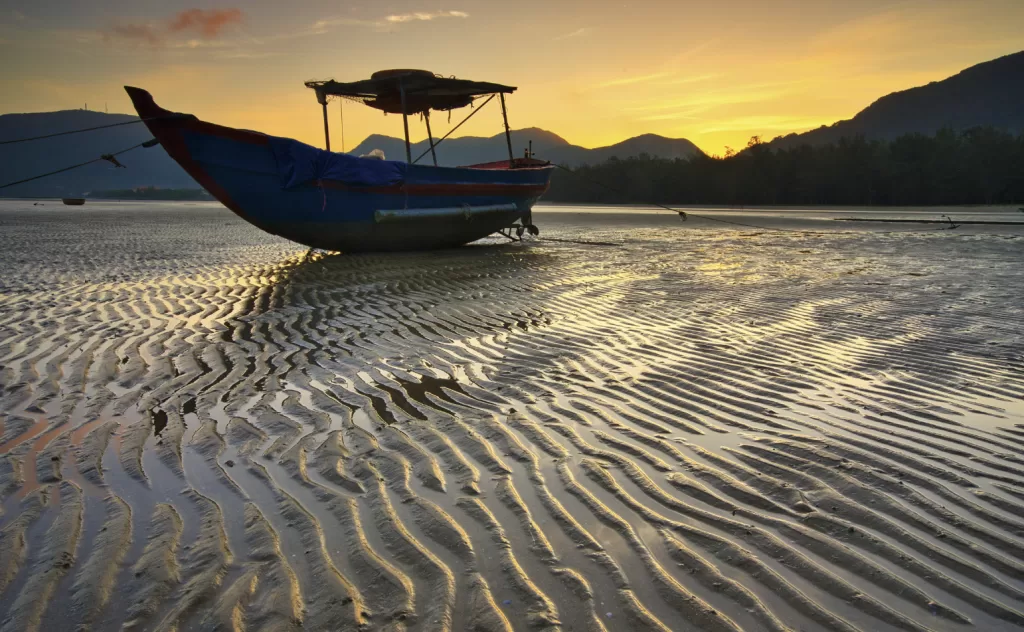
Vietnam’s Con Dao archipelago remains one of Southeast Asia’s best-kept secrets, with Mermaids Bay (Bai Nang) standing out among its hidden beach destinations. Once a penal colony, this 16-island group now serves as a marine protected area with exceptional biodiversity. Accessing Mermaids Bay requires a 30-minute motorcycle ride from Con Son town, followed by a forest trail descent. Your reward? A crescent of golden sand framed by granite boulders with only the occasional fisherman for company. The bay’s protective reef creates perfect swimming conditions, while offshore coral gardens harbor vibrant marine life. The Vietnamese government limits development here, ensuring this pristine environment remains protected.
Japan’s Okinawa Prefecture comprises 160 islands stretching across 1,000 kilometers, with many beaches unknown even to Japanese tourists. On Iriomote Island, accessible via ferry from Ishigaki, Ida no Hama beach requires a 30-minute boat ride plus a jungle trek. This commitment filters out casual visitors, leaving you with an unspoiled white-sand beach framed by lush forest. The even more remote Hoshizuna Beach on Iriomote features star-shaped sand particles—actually the exoskeletons of tiny marine organisms—that make this shore truly unique among undiscovered coastal gems.
Climate change is reshaping Asia’s coastlines, with rising sea levels threatening low-lying areas. The Mergui Archipelago in Myanmar, newly opened to foreign visitors, represents a once-in-a-lifetime opportunity to experience over 800 islands with virtually untouched beaches. Scientists predict some smaller islands may be submerged within decades, making this year potentially the optimal window to explore these pristine shores responsibly. Note that the country’s political situation may affect some travel.


When visiting these culturally rich hidden beach destinations, respect local customs and environments. In Japan, observe proper onsen etiquette if visiting beach-adjacent hot springs. In Cambodia and Myanmar, modest beachwear away from designated tourist areas shows respect for local sensibilities. Most importantly, practice leave-no-trace principles and avoid removing shells, sand, or marine life from these fragile ecosystems. By treading lightly, we ensure these secret shores remain pristine for generations to come.
Undiscovered Caribbean and Latin American Shores
While the Caribbean conjures images of packed resorts and cruise ship crowds, numerous hidden beach destinations remain for intrepid travelers.
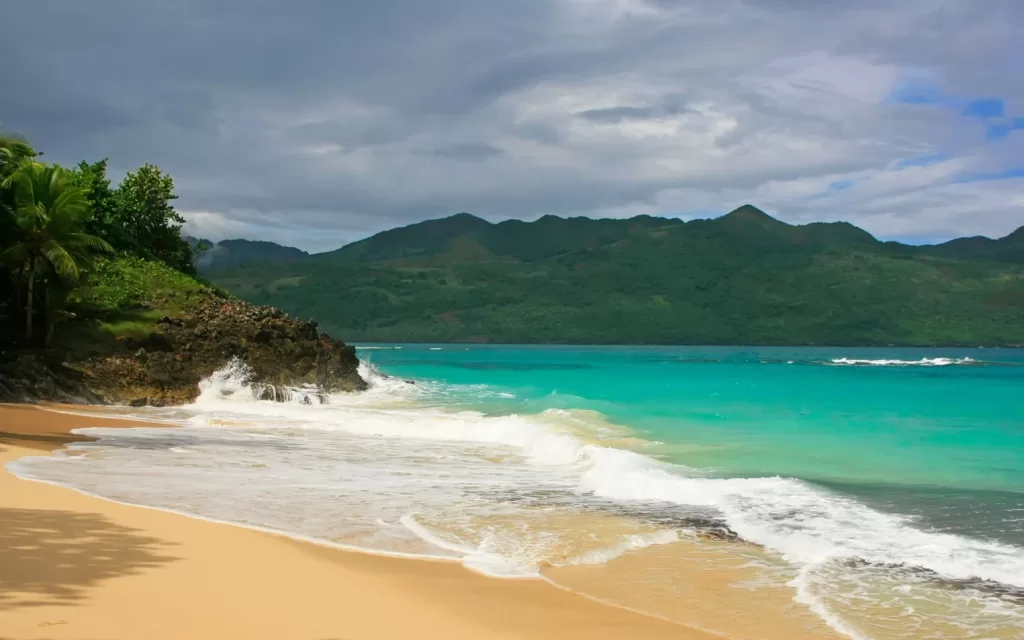
Playa Rincon in the Dominican Republic’s Samaná Peninsula deserves its reputation as one of the Caribbean’s most beautiful beaches, yet visitor numbers remain surprisingly low. This 3-mile stretch of pristine sand sits far from development, requiring a bumpy 30-minute drive from Las Galeras village or a boat ride from Samaná town. The beach’s eastern end features a freshwater river perfect for cooling off, while scattered palm trees provide natural shade. Local vendors offer fresh coconuts and authentic Dominican seafood without disrupting the tranquil atmosphere. Visit between May and early June to enjoy perfect weather after the winter high season ends but before summer vacation crowds arrive.
Colombia’s Tayrona National Park harbors several undiscovered coastal gems despite its growing popularity. Most visitors crowd the accessible La Piscina and Cabo San Juan beaches, overlooking the park’s more secluded shores. Playa Cristal requires advance reservations (limited to 300 daily visitors) and a 20-minute boat ride from Neguanje, but rewards with unparalleled snorkeling among coral reefs in crystal water. For true seclusion, trek to Playa Arrecifes – its strong currents prohibit swimming but ensure few visitors, creating a photographer’s paradise of wild beauty. Stay in an eco-lodge near the park entrance rather than the crowded campgrounds to experience dawn beach access before day-trippers arrive.
Beyond the Resort Scene: Authentic Caribbean Experiences
Mexico’s Marieta Islands gained fame through social media coverage of “Hidden Beach” (Playa del Amor), but this wildlife-rich archipelago offers several less-known shores. The Mexican government now strictly limits visitors to the famous beach, making advance permits essential. However, informed travelers head instead to Playa La Nopalera, where volcanic formations create natural pools perfect for snorkeling without the crowds or permit requirements. The neighboring Playa El Muerto receives even fewer visitors despite its excellent wildlife viewing opportunities. Both these hidden beach destinations offer superior experiences to the overcrowded Instagram spot.
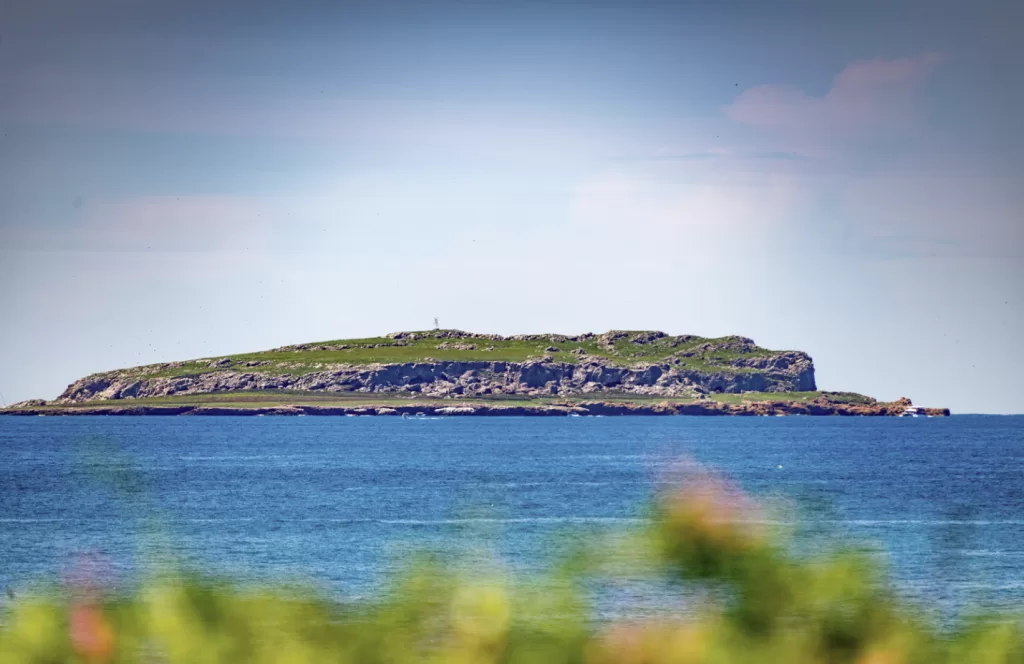
Nicaragua’s Pearl Cays represent the Caribbean as it once was – 18 pristine islands with powdery white beaches and barely a footprint in sight. Previously accessible only to the wealthy, several islands now offer eco-friendly accommodations for conscious travelers. Water Cay and Crawl Cay deliver the perfect balance between accessibility and isolation, with only a handful of cabanas available for overnight stays. Boat charters from Pearl Lagoon town provide day access, though spending at least two nights allows you to experience these secluded beaches when day visitors depart. The December-April dry season offers ideal conditions, though September-November provides equally beautiful weather with even fewer visitors, but monitor weather advisories closely.
Preserving these fragile ecosystems requires commitment to sustainable travel practices. Many of these destinations lack waste management infrastructure, so pack reusable water bottles, filtration systems, and biodegradable toiletries. Support locally-owned businesses rather than international chains to ensure tourism benefits indigenous communities protecting these lands. Most importantly, respect all wildlife encounters – the leatherback turtles nesting on Nicaragua’s shores and the diverse marine life in Colombia’s protected waters depend on mindful human interaction.
Pacific and Indian Ocean Hidden Gems
The vast Pacific and Indian Oceans harbor some of the world’s most extraordinary hidden beach destinations, offering experiences that feel truly disconnected from the modern world.
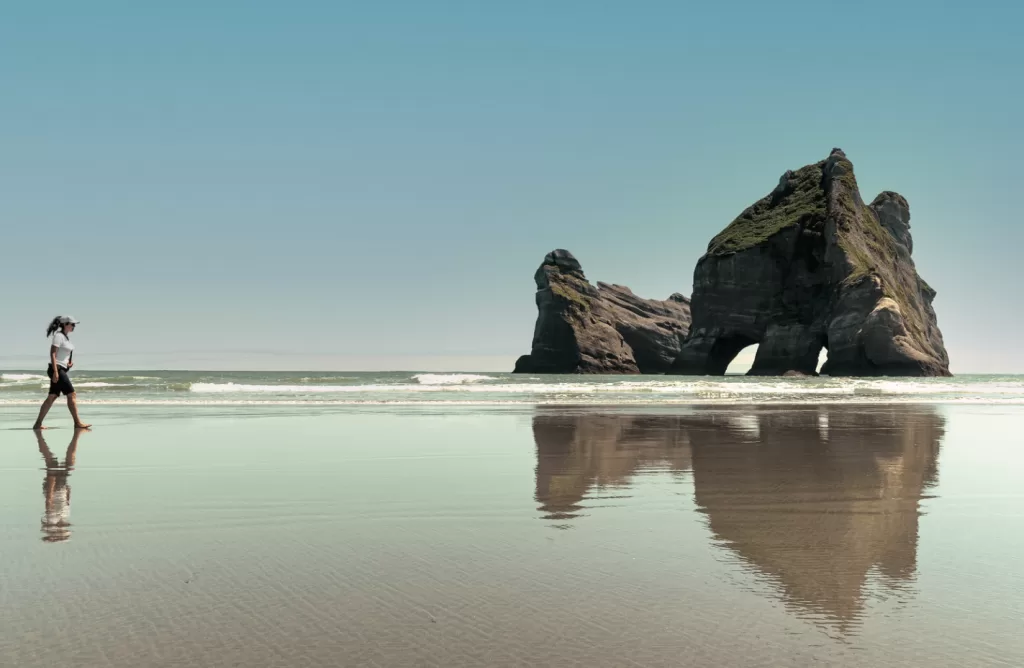
Wharariki Beach on New Zealand’s South Island represents nature at its most dramatic and unspoiled. Located at the northernmost tip of the island, this windswept expanse features massive rock arches, caves, and sand dunes rather than typical beach facilities. Access requires a 20-minute walk through private farmland and forest, naturally limiting visitor numbers. Timing is crucial when visiting – check tide tables and arrive 2 hours before low tide to explore the caves and rock formations safely. Winter visits (June-August) provide the beach’s most magical experience: baby seals playing in protected rock pools while their parents hunt offshore. The wild Tasman Sea makes swimming dangerous, but photographers will find endless inspiration in the interplay of light across this rugged landscape.
Lucky Bay in Western Australia’s Cape Le Grand National Park consistently ranks among Australia’s finest beaches, yet its remote location 40km from Esperance keeps crowds minimal. The bay’s 5km of blindingly white sand (scientifically proven to be Australia’s whitest) creates striking contrast against turquoise waters. The beach’s resident kangaroos often lounge near sunbathers, creating uniquely Australian photo opportunities. According to some models, climate change patterns will likely bring warmer ocean currents to this region between February and April, extending the comfortable swimming season by several weeks compared to historical norms. The newly completed eco-campground provides sustainable accommodation just steps from this pristine shoreline, though advance booking is essential.
Remote Paradise Islands Worth the Journey
Madagascar’s Nosy Be archipelago remains remarkably untouched by mass tourism despite its extraordinary beauty. While the main island sees some visitors, neighboring Nosy Iranja – actually two islands connected by a sandbar that emerges at low tide – offers true seclusion. The 2km-long white sand tongue appears for approximately four hours daily, allowing visitors to walk between the islands across the sea. The surrounding waters host abundant sea turtles and untouched coral reefs. The island’s limited infrastructure keeps visitor numbers low, though several small eco-lodges offer basic accommodation. Visit between April and June for optimal weather conditions without the July-August French holiday crowds.
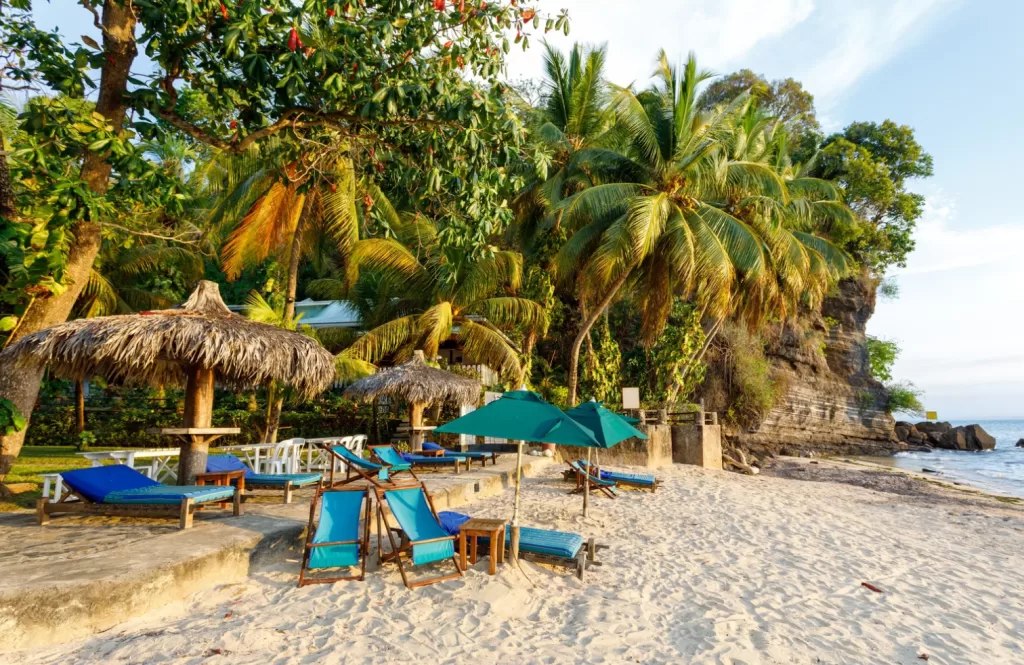
Fiji’s Yasawa Islands challenge the notion that comfort and seclusion are mutually exclusive. This 20-island chain stretches 80km northwest of Viti Levu, offering hidden beach destinations where barefoot luxury meets authentic Fijian culture. Oarsman’s Bay on Nacula Island features powdery white sand sloping into a protected lagoon, with just one small locally-owned resort. Further north, Sawa-i-Lau island’s hidden blue lagoon cave system provides a swimming experience reached by only the most adventurous travelers. The region’s community-based tourism approach ensures that visitor numbers remain sustainable while local villages benefit directly from preservation efforts. Regular seaplane and ferry services make these islands accessible despite their remoteness.
Transportation options vary dramatically across these destinations. New Zealand’s rugged locations require renting 4WD vehicles, while Madagascar’s limited infrastructure necessitates hiring local guides with boats. For remote Pacific locations, consider chartering shared flights to reduce both cost and carbon footprint. Most importantly, allocate adequate time – these hidden beach destinations reveal their magic slowly, rewarding travelers who stay at least 3-4 days rather than rushing through on day trips. This slower travel approach not only enhances your experience but reduces environmental impact on these fragile ecosystems.
Preparing for Your Hidden Beach Adventure
Visiting hidden beach destinations requires preparation beyond typical vacation planning. These remote paradises demand specific gear, knowledge, and mindset to fully enjoy their unspoiled beauty.
Essential packing for secluded beaches differs significantly from resort vacations. Prioritize a high-quality dry bag to protect electronics during boat transfers or unexpected rain. Pack biodegradable sunscreen that won’t damage coral reefs – Hawaii-compliant formulas containing zinc oxide or titanium dioxide offer effective protection without environmental harm. A portable water filter like the LifeStraw eliminates the need for plastic bottles in areas without potable water. For beaches with limited shade, a lightweight beach shelter provides crucial sun protection during peak hours. Don’t forget reef-safe footwear for navigating rocky approaches and protecting against sea urchins common at undeveloped shores.
Navigation tools become critical when seeking beaches unmarked on tourist maps. Download offline map applications like Maps.me or Google Maps offline functionality before departure, as many hidden beach destinations have unreliable cellular service. Several specialized apps deserve space on your phone: GetOutside provides GPS coordinates for remote beaches worldwide, while Windy offers hyperlocal weather forecasts crucial for coastal areas with rapidly changing conditions. Physical backup is equally important – waterproof paper maps with tide information ensure safety when electronics fail in humid environments.
Essential Gear and Knowledge for Secluded Beach Travel
Health and safety considerations take on greater importance at isolated beaches where medical assistance may be hours away. Prepare a comprehensive first aid kit including jellyfish treatments appropriate to your destination region. Research nearest medical facilities before departing – many island communities maintain basic clinics for emergencies. Satellite messaging devices like Garmin InReach provide emergency communication capabilities in regions without cellular coverage. Most importantly, never swim alone at remote beaches lacking lifeguards and respect local warnings about dangerous conditions – pristine beaches often remain undeveloped precisely because of challenging currents or underwater hazards.


Accommodation strategies near secluded shores require flexibility and advance planning. For maximum beach time, balance location against crowds – properties directly on famous hidden beaches inevitably attract development. Instead, seek small locally-owned lodging in nearby villages, reducing both costs and environmental impact. Many remote beach regions offer unique options: converted fishing cottages in Croatia, traditional fales in Samoa, or jungle eco-lodges in Costa Rica provide authentic experiences while supporting local economies. Book accommodations with kitchen facilities when possible – remote beaches rarely offer dining options, and preparing simple meals from local markets enhances the experience while reducing reliance on imported foods.
Photography at hidden beaches presents unique opportunities and responsibilities. The natural beauty demands documentation, but respect privacy of other visitors seeking solitude. Rising early captures not only the best light but often provides completely empty beaches for unobstructed compositions. Consider investing in a quality waterproof camera housing rather than single-use waterproof cameras to reduce waste. Most importantly, practice ethical photography – avoid disrupting wildlife, removing natural elements, or creating “forced perspective” images that damage fragile environments. The most compelling images of hidden beach destinations capture their untouched essence rather than manufactured scenes.
| Beach Name | Location | Description | |
|---|---|---|---|
| 🌊 Hidden Mediterranean Beaches | |||
| 1 | Kaputaş Beach | Turkey | A canyon opens to a turquoise cove along the Turquoise Coast. |
| 2 | Cala Mitjana | Menorca, Spain | Limestone cliffs and pine trees surround this quiet beach. |
| 3 | Cala Mitjaneta | Menorca, Spain | Smaller, quieter, and ideal for shallow swimming. |
| 4 | Cala Goloritzé | Sardinia, Italy | UNESCO-protected cove, only reachable by boat or hiking. |
| 5 | Stiniva Beach | Vis Island, Croatia | Cliff-enclosed bay, once voted best beach in Europe. |
| 6 | Srebrna Bay | Vis Island, Croatia | Peaceful pebble beach with great snorkeling. |
| 🌴 Secret Asian Beach Havens | |||
| 7 | Saracen Bay | Koh Rong Samloem, Cambodia | Off-grid bungalows and turquoise waters. |
| 8 | Lazy Beach | Koh Rong Samloem, Cambodia | Low-key and ultra-relaxing. |
| 9 | Northern Beaches | Koh Rong Samloem, Cambodia | Unnamed and untouched, perfect for explorers. |
| 10 | Mermaids Bay (Bai Nang) | Con Dao, Vietnam | Remote, spiritual, and rich in marine life. |
| 11 | Ida no Hama | Iriomote Island, Japan | One of Japan’s last untouched island beaches. |
| 12 | Hoshizuna Beach | Iriomote Island, Japan | Known for star-shaped sand and tide pools. |
| 13 | Mergui Archipelago | Myanmar | 800+ undeveloped islands for divers and sailors. |
| 🌞 Hidden Caribbean & Latin American Beaches | |||
| 14 | Playa Rincon | Dominican Republic | Three-mile white sand stretch backed by jungle. |
| 15 | Playa Cristal | Tayrona NP, Colombia | Limited visitors, crystal-clear water, and palms. |
| 16 | Playa Arrecifes | Tayrona NP, Colombia | Remote, untamed, and great for photography. |
| 17 | Playa La Nopalera | Marieta Islands, Mexico | Snorkel-accessed beach via cave tunnel. |
| 18 | Playa El Muerto | Marieta Islands, Mexico | Undeveloped and ideal for privacy. |
| 19 | Water Cay | Pearl Cays, Nicaragua | Calm, powder-soft beach paradise. |
| 20 | Crawl Cay | Pearl Cays, Nicaragua | Rich in biodiversity and light on tourists. |
| 🌏 Remote Pacific & Indian Ocean Beaches | |||
| 21 | Wharariki Beach | South Island, New Zealand | Wild coast with rock arches and seal pups. |
| 22 | Lucky Bay | Western Australia | White sand beach with kangaroos! |
| 23 | Nosy Iranja | Madagascar | Sandbar-connected island with coral reefs. |
| 24 | Oarsman’s Bay | Nacula Island, Fiji | Turquoise waters and Fijian warmth. |
| 25 | Sawa-i-Lau | Yasawa Islands, Fiji | Magical beach with limestone caves. |
| 🧭 Bonus Hidden Beach Locations | |||
| 26 | Secret Coves | Baunei Coast, Sardinia | Reachable only by boat or tough hikes. |
| 27 | Undiscovered Spots | Komiža, Vis Island, Croatia | Quiet swimming spots around Komiža. |
| 28 | Remote Shores | Tayrona NP, Colombia | Jungle-accessible, unnamed beaches. |
| 29 | Isolated Islands | Mergui Archipelago, Myanmar | Charter a boat to pristine, uninhabited sands. |
| 30 | Virgin Beaches | Pearl Cays, Nicaragua | Uninhabited islets for castaway dreams. |
| 31 | Hidden Corners | Yasawa Islands, Fiji | Lesser-known beaches only locals frequent. |
Conclusion
Summer doesn’t have to mean fighting for beach space! These 15 hidden beach destinations offer the perfect escape from the tourist crowds while providing unforgettable coastal experiences. Whether you’re seeking adventure, relaxation, or simply a peaceful connection with nature, these secluded shores deliver everything you’re looking for in a summer getaway. Remember that the joy of discovering hidden beaches comes with responsibility – practice sustainable tourism and leave no trace. Which of these beach secrets will you explore first? Pack light, bring your sense of adventure, and prepare for a summer experience that few others will share!