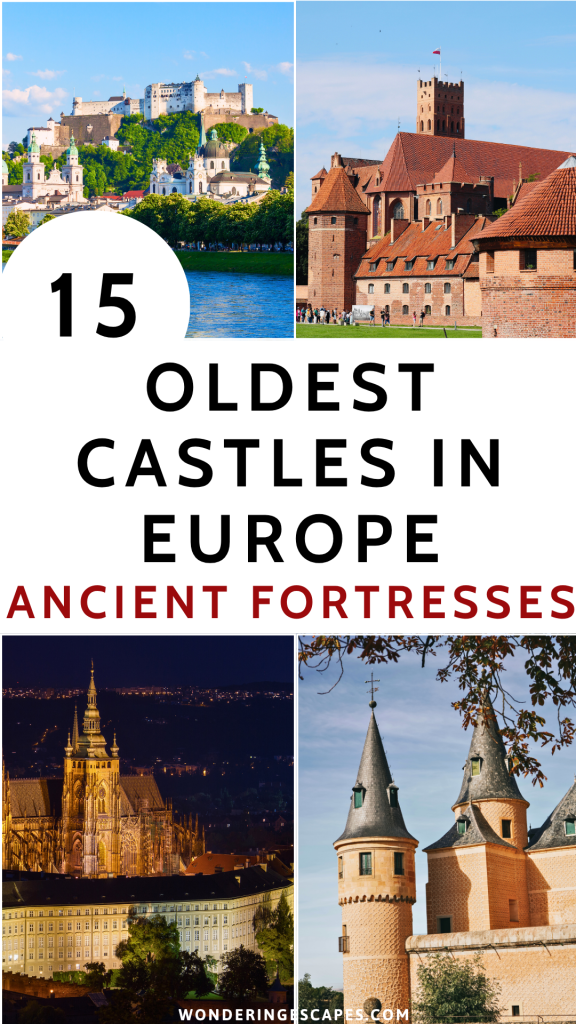
Amazing 15 Oldest Castles in Europe: Ancient Fortresses
Did you know that some European castles have stood for over 1,200 years, witnessing the rise and fall of empires? These ancient fortresses aren’t just piles of stone—they’re living history books that tell tales of medieval warfare, royal intrigue, and architectural evolution.
From the windswept highlands of Scotland to the sun-drenched hills of Spain, Europe’s oldest castles represent some of humanity’s most impressive engineering feats. Whether you’re a history enthusiast planning your next adventure or simply curious about medieval architecture, this comprehensive guide will take you through the continent’s most ancient fortified structures that continue to captivate visitors today.
You may also like this:

What Makes a Castle “Ancient”? Understanding Medieval Fortress Dating
Determining Europe’s oldest castle isn’t as simple as checking a date carved in stone. Many ancient castles have been rebuilt, expanded, and renovated countless times. The original castle foundations might date to the 10th century, while visible structures could be from the 13th century or later.
Archaeological evidence helps historians identify the true age of medieval castles. Researchers examine construction techniques, materials, and historical records. For example, wooden towers typically preceded stone construction in the medieval era. The transition from wood to stone castle design marked a crucial evolution in medieval times.
The oldest parts of the castle date back to different periods. A fortress might have Roman ruins as its foundation, 11th century walls, and a 12th century great hall. This layered construction makes dating complex.
Medieval fortress classification also matters. Some structures were royal residences, others purely military. Prague Castle, for instance, served as both palace and fortress. Windsor Castle evolved from a medieval fortress into a royal residence.
Experts consider original defensive purpose, construction materials, and historical significance when determining age. The guinness world records recognizes several contenders for “oldest,” but dating disputes continue among historians and archaeologists studying these awe-inspiring structures.








The Top 5 Oldest Castles in Europe (9th-10th Century Origins)
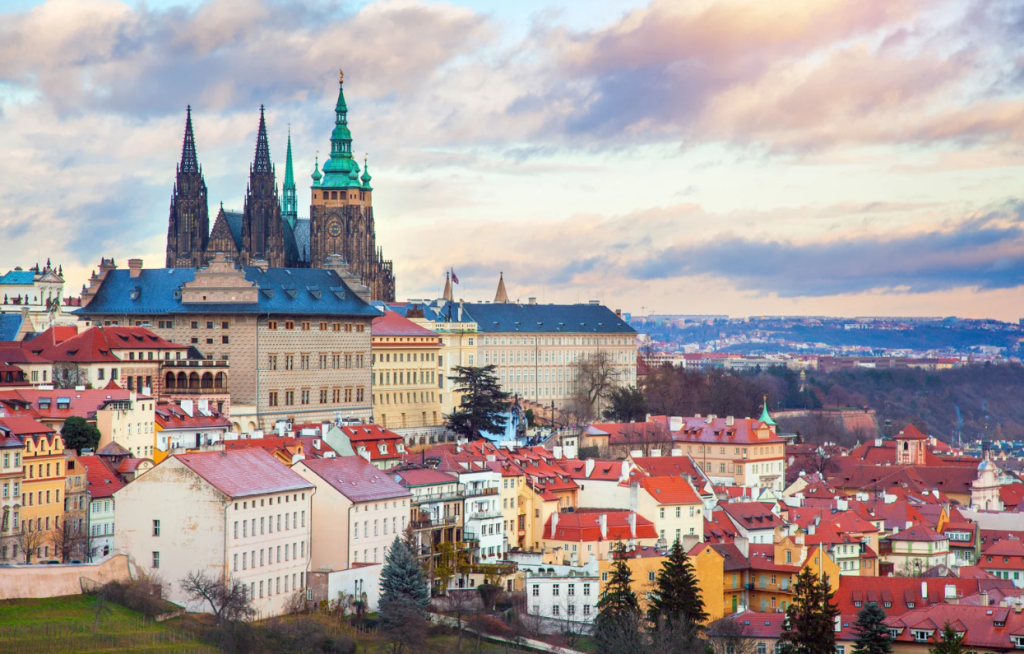
Prague Castle in the Czech Republic claims the title of world’s oldest castle complex. Dating to the 9th century, this UNESCO world heritage site spans over 70,000 square meters. It’s been the longest-occupied castle in history, housing holy roman emperors and modern presidents.
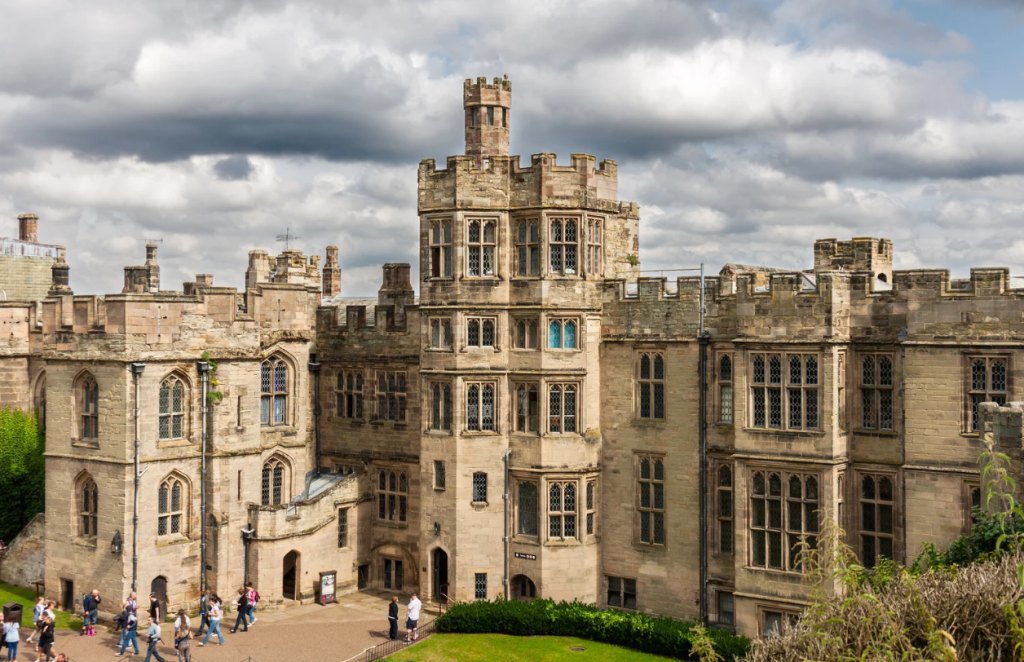
Warwick Castle in England boasts Saxon origins from 914 AD. Built on castle rock by Æthelflæd, daughter of Alfred the Great, it became a Norman stronghold after 1068. The medieval fortress features impressive stone walls and a great hall. Today it’s a popular tourist attraction managed by english heritage.
Château de Doué-la-Fontaine in France represents a unique 10th century fortress. This underground stone castle was carved directly into rock. Its innovative design influenced later European castles. The structure demonstrates early medieval times defensive architecture.
Killyleagh Castle in Northern Ireland holds the distinction of Ireland’s oldest castle. The original 12th century foundations support later additions. The hamilton family has owned it for centuries, making it both historic monument and private residence.
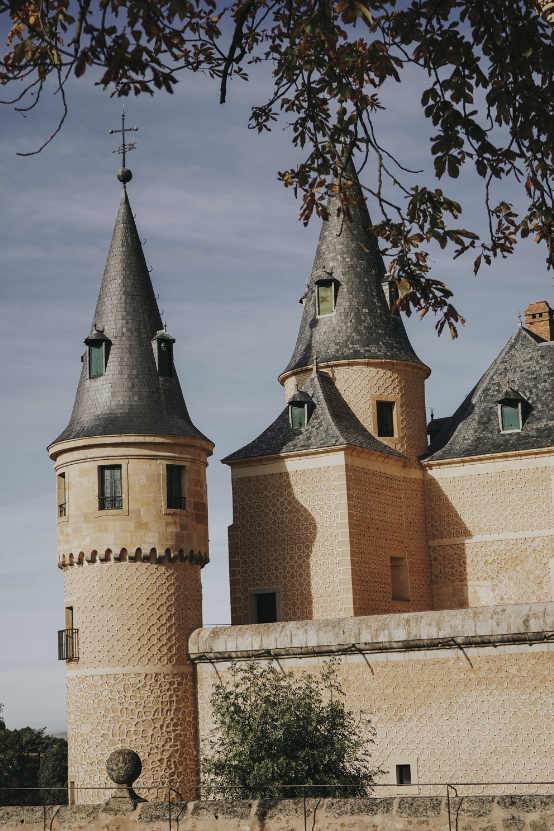
Alcázar of Segovia in Spain combines 11th century foundations with later expansions. This royal residence influenced fairy-tale castle designs worldwide. Its strategic location and rich history make it essential for understanding medieval castles development across european castles evolution.
Ancient Fortresses of the British Isles: Scotland, Wales, and England
The United Kingdom houses some of Europe’s most spectacular ancient castles. Edinburgh Castle dominates Scotland’s capital from its volcanic castle rock. Archaeological evidence suggests fortifications existed here since the 7th century. The stone castle we see today evolved through centuries of construction.
Windsor Castle holds the record as the world’s longest-occupied castle. Built by William the Conqueror in the 11th century, it remains an active royal residence. Queen Elizabeth II spent weekends here for decades. The castle grounds span 13 acres, making it among the largest castles in the world.
Warwick Castle showcases medieval fortress design at its finest. Guy’s Tower, built in the 14th century, rises 128 feet above the River Avon. The great hall displays weapons and armor from the medieval period. English Heritage maintains this popular tourist attraction.
Wales contributes Conwy Castle, a 13th century masterpiece built by King Edward I. This unesco world heritage site features eight massive round towers. Its stone walls stretch over 1,400 yards around the medieval town.
Corfe Castle in Dorset represents Norman military engineering. Built by William the Conqueror, it became a royal residence and prison. King John used it extensively during his reign. Today, dramatic ruins crown the hilltop, telling stories of the English Civil War when Parliamentary forces destroyed much of the structure.



Medieval Strongholds of France: From Loire Valley to Normandy
France’s medieval castles showcase architectural evolution spanning centuries. Château de Vincennes near Paris began as a 12th century hunting lodge for the royal family. It grew into Europe’s largest royal fortress. The massive keep, completed in the 14th century, towers 170 feet high.
The château’s stone walls enclose a square mile of grounds. French kings used it as both royal residence and state prison. Its rich history includes hosting medieval times courts and Renaissance celebrations. Today it’s a historic monument demonstrating French fortress evolution.
Château de Doué-la-fontaine represents unique 10th century innovation. This underground fortress was carved from existing caves. The original castle design influenced later european castles. Its rock-cut halls and chambers showcase early medieval era engineering.
Château de Saumur in the Loire Valley combines fortress and palace elements. The 14th century structure features distinctive white limestone walls. It served as a royal residence and military stronghold. The castle’s towers and great hall exemplify late medieval period luxury.
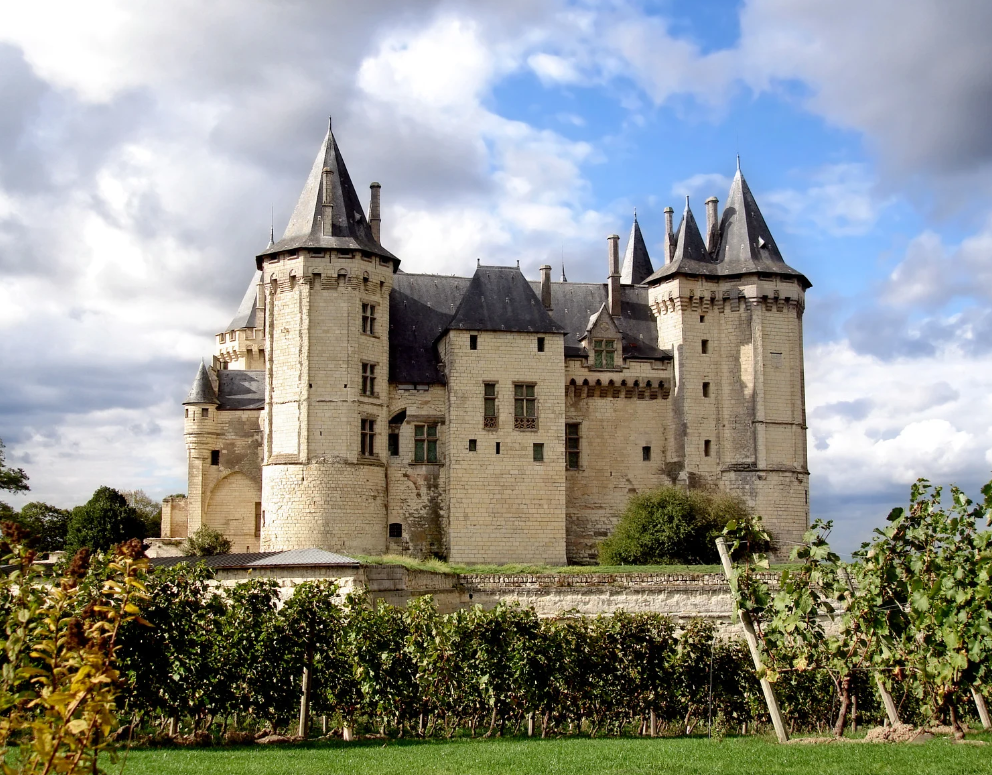
French ancient castles often integrated into existing settlements. Unlike isolated medieval fortress designs, many became urban centers. The shortage of castles in some regions led to creative adaptations of existing structures. Conservation efforts now protect these awe-inspiring structures as essential cultural heritage sites representing the country’s early castles development.


Germanic and Central European Ancient Castles
Malbork Castle in Poland stands as the world’s largest castle by land area. The Teutonic Knights built this medieval fortress in the 13th century. This unesco world heritage site covers over 143,000 square meters. The stone castle complex includes three separate castles connected by defensive walls.
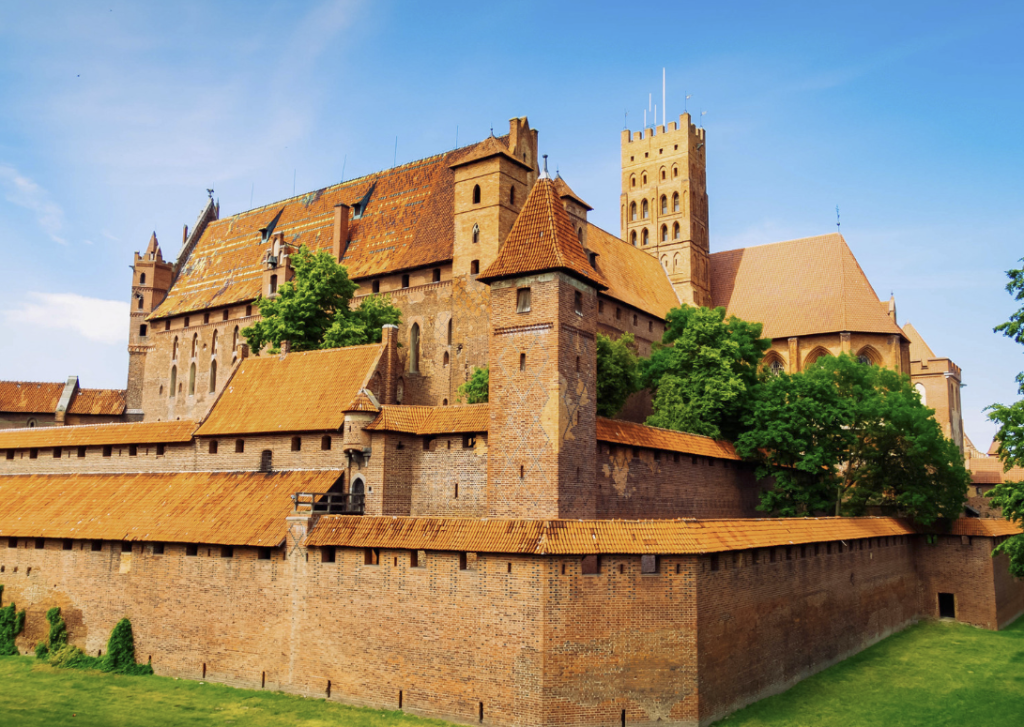
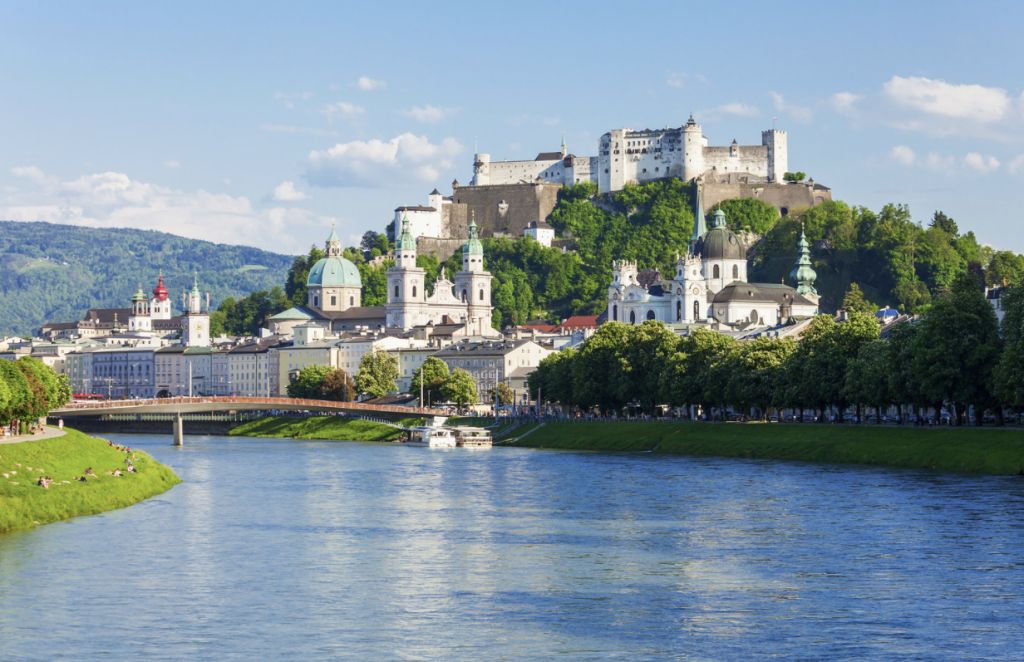
Hohensalzburg Castle overlooks Salzburg, Austria, from 400 feet above the city. Built in 1077, it’s one of Europe’s best-preserved medieval castles. The fortress never fell to enemy forces during its 900-year history. Its great hall and state rooms showcase medieval times luxury. The castle served as a royal residence for Salzburg’s prince-archbishops.
Burg Eltz in Germany represents the perfect medieval fortress. The 12th century castle remains a private residence owned by the same family for 850 years. Its towers rise dramatically from a rocky outcrop in the Moselle Valley. The structure survived wars and revolutions virtually untouched.
Reichsburg Cochem crowns a hilltop above the Moselle River. The original castle dates to around 1000 AD. French forces destroyed it in 1689, but 19th century restoration recreated its medieval period grandeur. The castle grounds offer spectacular valley views.
Central European ancient castles adapted to mountainous terrain. Their strategic locations provided natural defenses. These awe-inspiring structures demonstrate medieval era engineering excellence across the holy roman empire.
Iberian Peninsula: Moorish Influences and Christian Reconquest Castles
The Alcázar of Segovia exemplifies Spain’s unique castle heritage. Built on roman ruins, this 11th century fortress combines Moorish and Christian architecture. Its distinctive ship-like profile inspired Walt Disney’s Cinderella Castle. The royal residence housed medieval times monarchs and later became a military academy.
Alhambra de Granada represents the pinnacle of Moorish castle design. This 13th century palace-fortress complex showcases Islamic architectural mastery. The unesco world heritage site features intricate tile work and peaceful courtyards. Christian monarchs later adapted it as a royal residence.
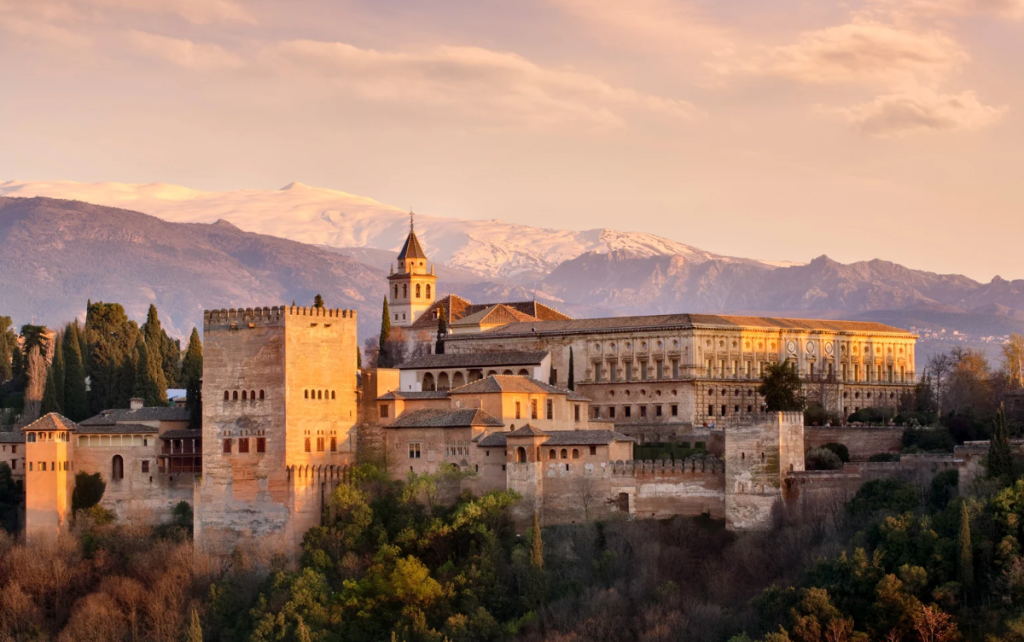
Spain’s medieval castles reflect centuries of cultural exchange. The Reconquista period saw Christian forces adapt existing arab fortress designs. These ancient castles combined defensive strength with palatial luxury. Many served dual purposes as fortress and royal residence.
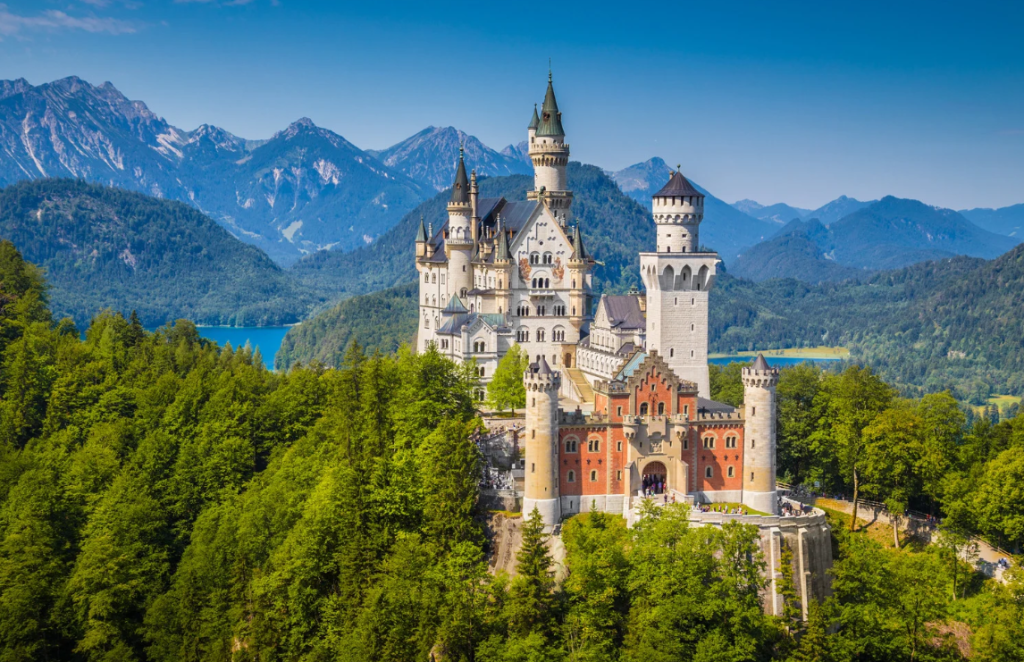
Neuschwanstein Castle, though not Iberian, influenced romantic castle revival across Europe. Its 19th century construction drew inspiration from medieval fortress designs. The fairy-tale appearance contrasts with authentic medieval period military architecture.
Portuguese ancient castles developed distinctive features during the middle ages. Their stone walls incorporated both Moorish engineering and Northern European designs. The strategic location of these fortresses controlled key trade routes. Today, conservation efforts preserve these historic monuments as symbols of Iberian rich history and architectural fusion between Islamic and Christian traditions.










Italian Medieval Fortresses: From Alpine Peaks to Mediterranean Coasts
Castel del Monte in Puglia stands as one of Italy’s most mysterious ancient castles. Built by Holy Roman Emperor Frederick II in the 13th century, this octagonal fortress defies traditional medieval fortress design. The unesco world heritage site combines Gothic, Islamic, and classical elements. No great hall or defensive features exist, puzzling historians about its true purpose.
Castello di Fenis in the Aosta Valley showcases Alpine medieval castles architecture. This 14th century fortress features distinctive cylindrical towers and elaborate frescoes. The stone castle served as both royal residence and defensive stronghold. Its castle walls incorporate innovative mountain warfare adaptations.
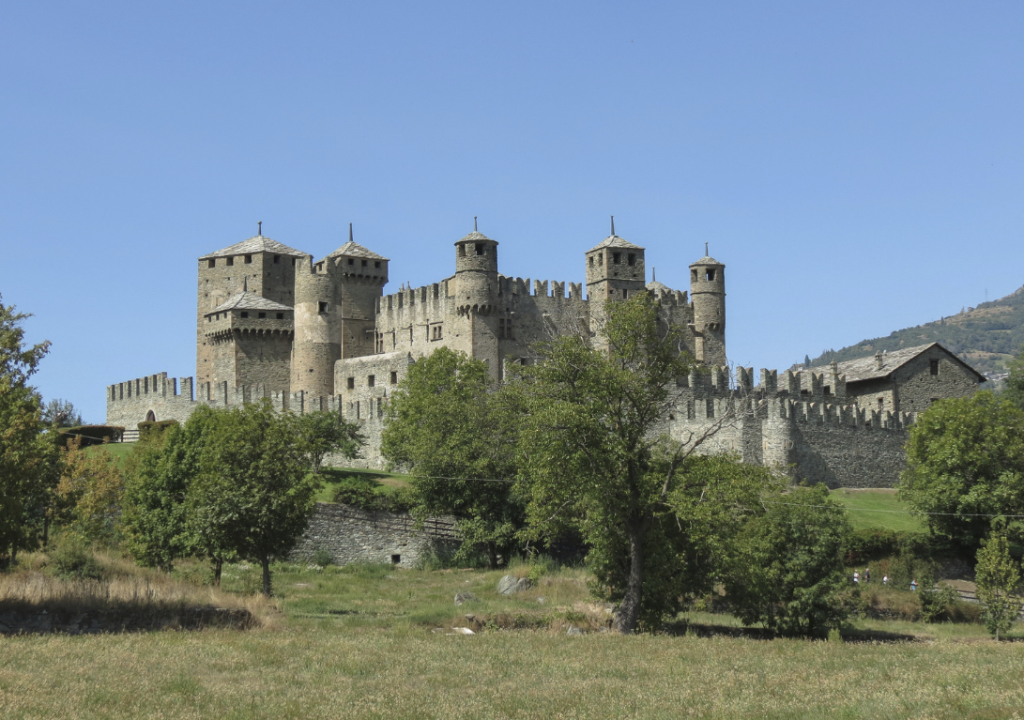
Italian ancient castles adapted to diverse terrains from Alps to Sicily. Many originated as roman ruins before medieval reconstruction. The medieval period saw Italian city-states build fortress-palaces combining luxury with defense. These awe-inspiring structures influenced european castles design across the continent.
San Marino’s Three Towers crown the microstate’s mountain ridges. The original castle dates to the 11th century. These medieval times fortifications protected one of Europe’s smallest nations. The towers connected by stone walls created an impregnable defensive system.
Italian fortress builders mastered strategic location selection. Hilltop positions provided natural advantages while controlling trade routes. The country’s early castles evolved from simple watchtowers to complex palace-fortresses. Today, conservation efforts maintain these historic monuments as symbols of Italy’s fragmented but rich history during the medieval era.
Eastern European Ancient Strongholds: From Carpathians to Balkans
Bled Castle in Slovenia perches dramatically on a 130-meter cliff above Lake Bled. The 11th century fortress represents one of Slovenia’s oldest castles. The medieval fortress evolved from a simple watchtower to an elaborate complex. Its castle grounds offer breathtaking Alpine views and house a printing press museum.
Bran Castle in Romania, often called “Dracula’s Castle,” dates to the 14th century. Though Vlad the Impaler had minimal connection to this fortress, the medieval castle attracts millions of visitors. The stone castle features Gothic architecture and served as a royal residence. Queen Elizabeth II‘s distant relative once owned the property.
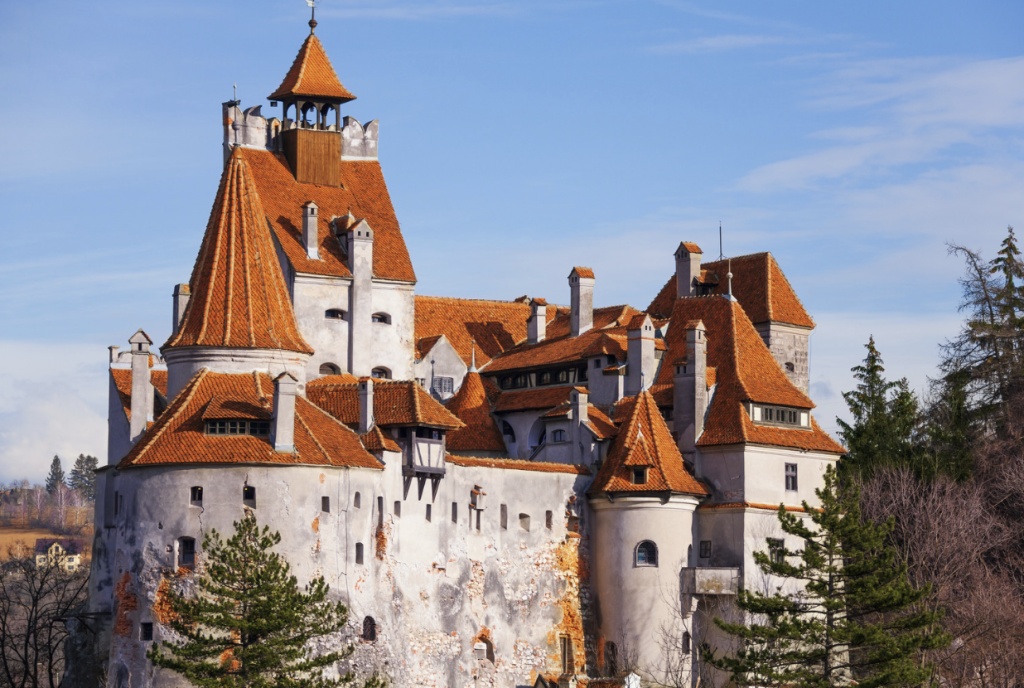
Eastern European ancient castles developed unique characteristics due to constant warfare. The medieval period saw these fortresses withstand Ottoman invasions and internal conflicts. Many combined roman ruins with later stone walls and towers. The strategic location of these castles controlled mountain passes and river crossings.
Spiš Castle in Slovakia ranks among Europe’s largest castles by area. This 12th century complex sprawls across multiple hilltops. The unesco world heritage site demonstrates evolution from medieval fortress to Renaissance palace. Archaeological evidence reveals continuous occupation since prehistoric times.
These awe-inspiring structures survived centuries of political upheaval. The shortage of castles in some regions made existing fortresses highly valuable. Modern conservation efforts now protect these historic monuments as essential heritage sites representing the region’s turbulent but fascinating rich history.
Visiting Europe’s Oldest Castles: Practical Travel Guide
Planning your ancient castles adventure requires strategic timing and preparation. Spring and early fall offer the best weather for exploring castle grounds without summer crowds. Many medieval castles close or reduce hours during winter months. Windsor Castle and Prague Castle remain open year-round as active royal residences.
Admission fees vary significantly across european castles. UNESCO World Heritage Sites like Malbork Castle typically charge €10-15 for adults. English Heritage members enjoy free access to dozens of ancient castles throughout the United Kingdom. Private medieval fortress sites often cost more but offer intimate experiences.
Book tickets online for popular tourist attractions like Neuschwanstein Castle and Alhambra de Granada. These historic monuments sell out weeks in advance during peak season. Many oldest castles offer guided tours revealing hidden chambers and rich history details not visible to casual visitors.
Photography rules differ at each stone castle. Royal residences often restrict interior photos to protect priceless artifacts. Castle walls and exterior shots are usually permitted. Professional photography may require special permits and fees.
Accessibility varies greatly among medieval times structures. Ancient castles built on castle rock formations pose challenges for mobility-impaired visitors. Modern conservation efforts increasingly add elevators and ramps where historically appropriate. Contact sites directly about accessibility before traveling.
Medieval period architecture wasn’t designed for modern comfort. Wear comfortable shoes for uneven stone walls and steep staircases. Weather can change quickly on exposed castle grounds, so bring layers for your medieval fortress explorations.
Architectural Evolution: How Castle Design Changed Over Centuries
Medieval castles evolved dramatically from simple wooden towers to complex stone castle fortresses. The 10th century saw basic motte-and-bailey designs with earthwork defenses. Norman conquest in 1066 accelerated the transition to permanent stone construction across European castles.
11th century builders developed the stone keep, exemplified by Rochester Castle in England. These rectangular towers combined residential and defensive functions. The great hall occupied the main floor, while upper levels housed the lord’s family. Castle walls grew thicker to withstand siege warfare innovations.
12th century architects introduced the shell keep design. Windsor Castle‘s Round Tower demonstrates this circular fortification style. Concentric castle design emerged, featuring multiple defensive rings. Warwick Castle showcases these layered defenses with outer baileys protecting inner strongholds.
The 13th century marked castle design’s golden age. King Edward I’s Welsh conquests produced masterpieces like Conwy Castle. Builders perfected rounded towers that deflected projectiles better than square corners. Medieval fortress design balanced military necessity with residential comfort.
14th century innovations included machicolations and murder holes. Hohensalzburg Castle demonstrates these defensive refinements. Gunpowder’s introduction began castle obsolescence, though many ancient castles adapted with gun loops and artillery platforms.
Later centuries saw medieval fortress structures transform into palatial royal residences. Prague Castle exemplifies this evolution from military stronghold to ceremonial palace. Renaissance additions emphasized comfort over defense, creating the romantic historic monuments we admire today.
Conclusion
Europe’s oldest castles stand as remarkable testaments to medieval ingenuity, political power, and architectural evolution. From the 9th-century origins of Prague Castle to the Moorish influences in Spanish fortresses, these ancient structures offer unique windows into over a millennium of European history.
Whether you’re drawn to the romantic towers of French châteaux, the rugged strength of Scottish strongholds, or the strategic brilliance of Alpine fortresses, each castle tells its own compelling story of survival, conquest, and cultural exchange. Plan your medieval adventure today and walk in the footsteps of kings, knights, and countless generations who shaped European civilization.