8 Spectacular Festivals in Bolivia: Complete Guide to Cultural Celebrations
Did you know that UNESCO proclaimed the Carnival one of the Masterpieces of the Oral and Intangible Heritage of Humanity on May 18, 2001? Festivals in Bolivia are more than colorful spectacles – they’re living museums where ancient indigenous traditions dance alongside Catholic influences, creating some of South America’s most mesmerizing cultural celebrations.
Whether you’re planning your Bolivia adventure or simply curious about this landlocked nation’s rich heritage, festivals in Bolivia offer an unforgettable window into the soul of Bolivian culture. From the world-famous Oruro Carnival to intimate village celebrations, these events blend centuries-old Andean traditions with Spanish colonial influences, creating experiences that will leave you spellbound.
In this comprehensive guide, we’ll explore the most spectacular festivals across Bolivia’s diverse regions, providing you with dates, locations, cultural significance, and insider tips to make your festival journey truly extraordinary.
You may also like this:
The Crown Jewel: Oruro Carnival – Bolivia’s UNESCO World Heritage Festival
The Carnaval de Oruro stands as Bolivia’s most spectacular celebration. This UNESCO World Heritage festival transforms the mining city into a vibrant stage of folkloric dances and colorful costumes.
Mark your calendar: the Oruro Carnival runs late February to early March. The main parade happens on the first Saturday, featuring over 20,000 dancers and 10,000 musicians. This religious festival honors the Virgin of Candelaria through the famous dance of the devils.
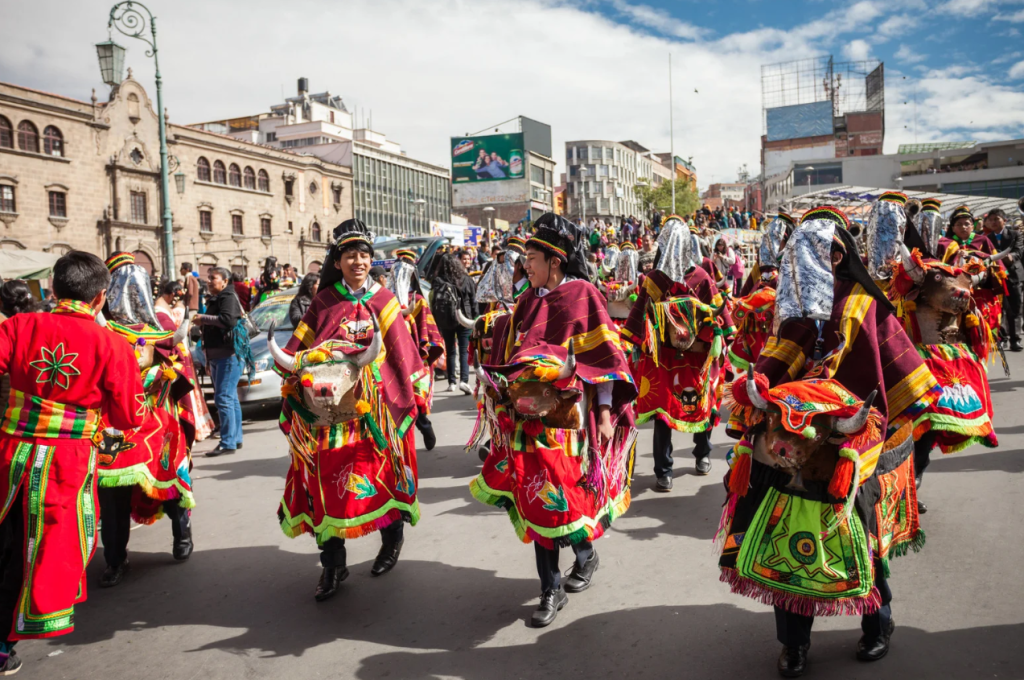
The diablada represents the eternal battle between good and evil spirits. Dancers wear elaborate devil masks and costumes, creating one of South America’s most mesmerizing spectacles. Other traditional dances include the Morenada, Caporales, and Tinku.
International visitors should book accommodation months ahead. The festival attracts over 400,000 people annually. Direct buses run from La Paz every 30 minutes during festival days. The journey takes 3.5 hours through stunning altiplano landscapes.
The parade route stretches 4 kilometers through Oruro’s historic center. Best viewing spots include the main plaza and cathedral steps. Arrive early morning for prime positions. Respect the religious celebration – this isn’t just entertainment but a sacred expression of Bolivian cultural celebrations.
Photography is welcome, but avoid flash during religious moments. The biggest event in Bolivia’s festival calendar offers visitors an unforgettable glimpse into centuries-old traditions that blend indigenous culture with Catholic religion.








🎉 Bolivia Festival Quick Guide
| Festival | Location | Dates | Highlights |
|---|---|---|---|
| Carnaval de Oruro | Oruro | Late Feb – Early Mar | UNESCO-listed; Diablada dance, 20,000+ dancers, 400,000 visitors |
| Gran Poder | La Paz | Late May – Early Jun | 75,000+ dancers; Morenada, Caporales; devotion + spectacle |
| Inti Raymi (Aymara New Year) | Tiwanaku & Andean towns | June 21 | Sunrise solstice rituals; pre-Columbian ceremonies |
| Virgin of Urkupiña | Quillacollo (Cochabamba) | Aug 15–18 | 1M+ pilgrims; folkloric dances, stone-carrying tradition |
| Virgin of Copacabana | Lake Titicaca | Aug 5 | Pilgrimage at Bolivia’s patron saint’s shrine; lakeside rituals |
| San Juan Celebrations | Altiplano towns | June 23 | Bonfires, family gatherings, traditional foods |
| 16 de Julio Festival | La Paz | July 16 | City-wide parades, music, dances, artisan markets |
| Alasitas Festival | La Paz & other cities | Jan 24 (main day) | Miniatures market; wishes for prosperity in the new year |
Festival del Gran Poder – La Paz’s Most Spectacular Religious Celebration
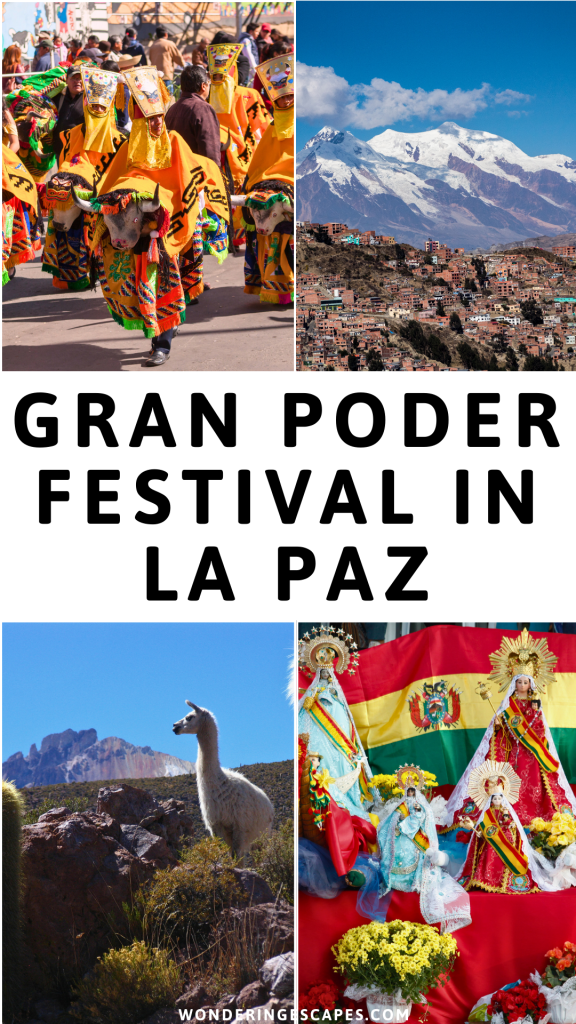
The Gran Poder festival showcases La Paz at its most magnificent. This religious festival honors Nuestro Señor del Gran Poder (Lord of Great Power) through an explosion of dance, music, and devotion in the streets of La Paz.
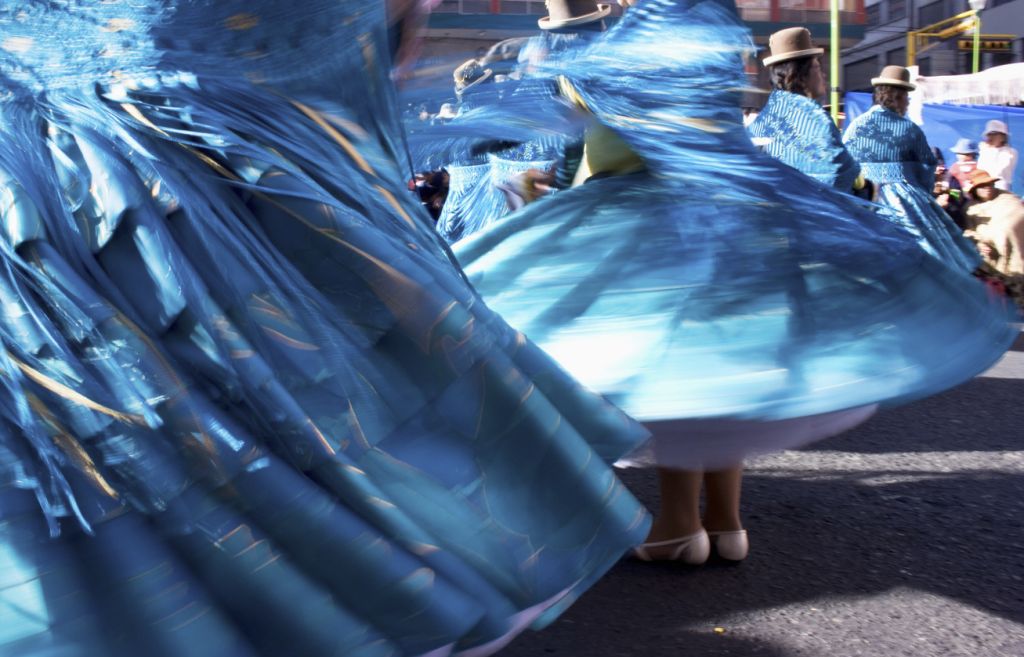
Taking place in late May or early June, this celebration draws over 75,000 dancers. The festival represents Bolivia’s rich cultural heritage where indigenous groups express their faith through movement. Dancers spend months preparing elaborate colorful costumes that can cost thousands of dollars.
The main events center around the Morenada, Caporales, and Diablada performances. Each traditional dance tells stories of Bolivia’s complex history. The Morenada represents African slaves, while Caporales celebrates freedom and rebellion.
The parade route winds through La Paz’s steep streets, starting from the San Francisco Church. Thousands of spectators line the sidewalks, creating an electric atmosphere. Local markets overflow with festival foods and religious souvenirs.
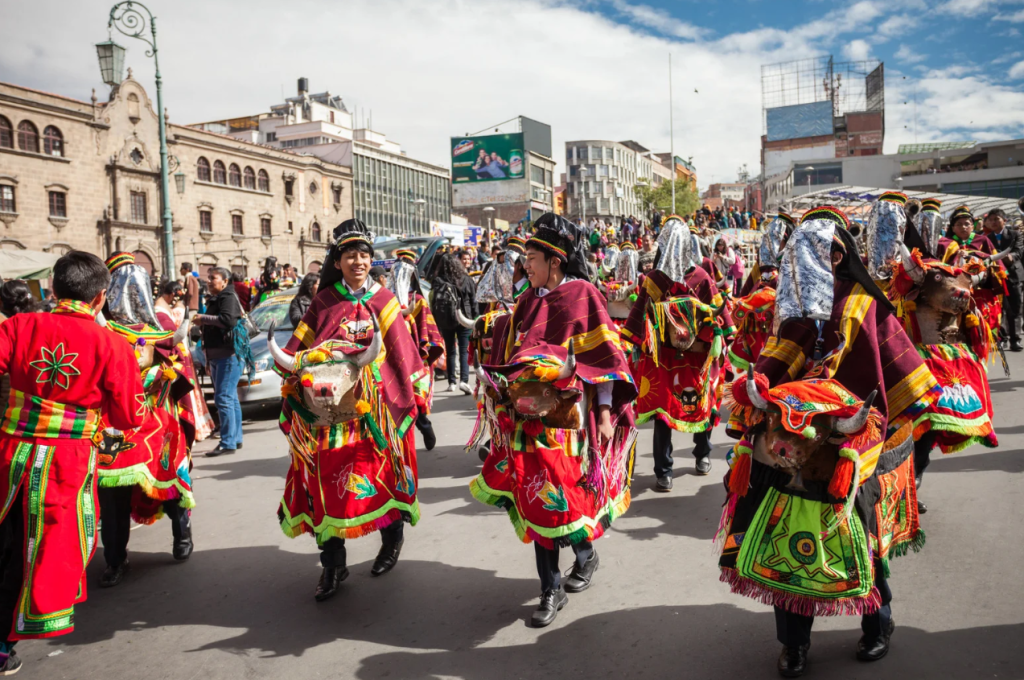
International visitors will find this wonderful opportunity to witness authentic Bolivian festivals. The festive events begin early morning and continue past midnight. Dancers consider participation an act of devotion, not performance.
This religious celebration perfectly demonstrates how indigenous culture and Catholic religion blend in Bolivia. The festival honors both Jesus Christ and ancient Andean beliefs, creating one of the most important festivals in South America.
Inti Raymi – Celebrating the Aymara New Year and Winter Solstice
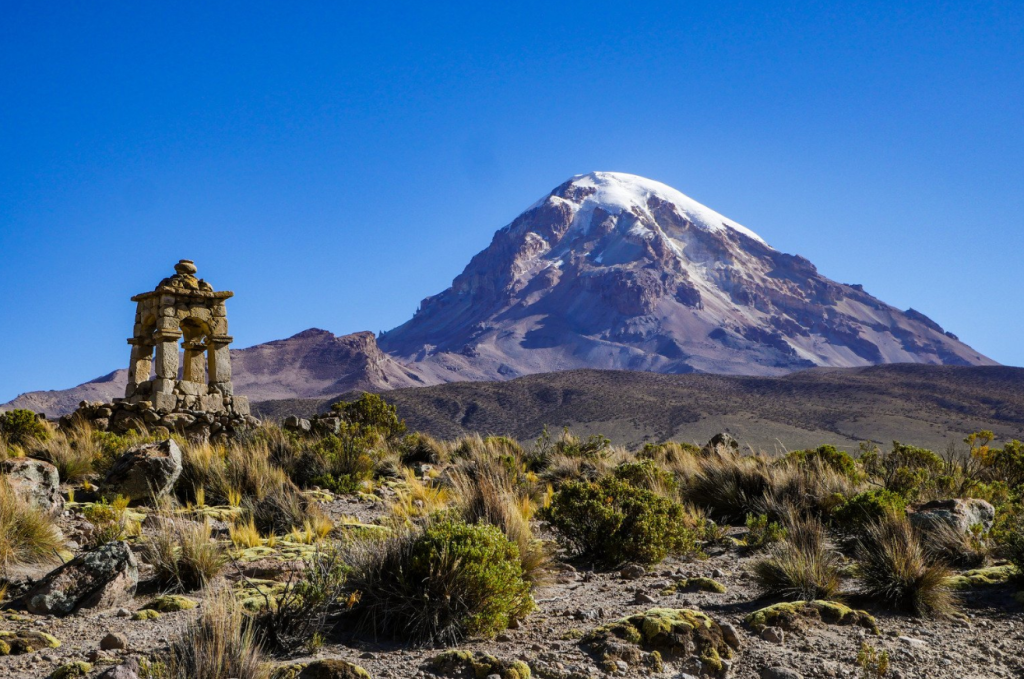
Inti Raymi marks the Aymara New Year and winter solstice celebration across Bolivia. This ancient festival honors the sun god and celebrates the first rays of sun on the year’s shortest day.
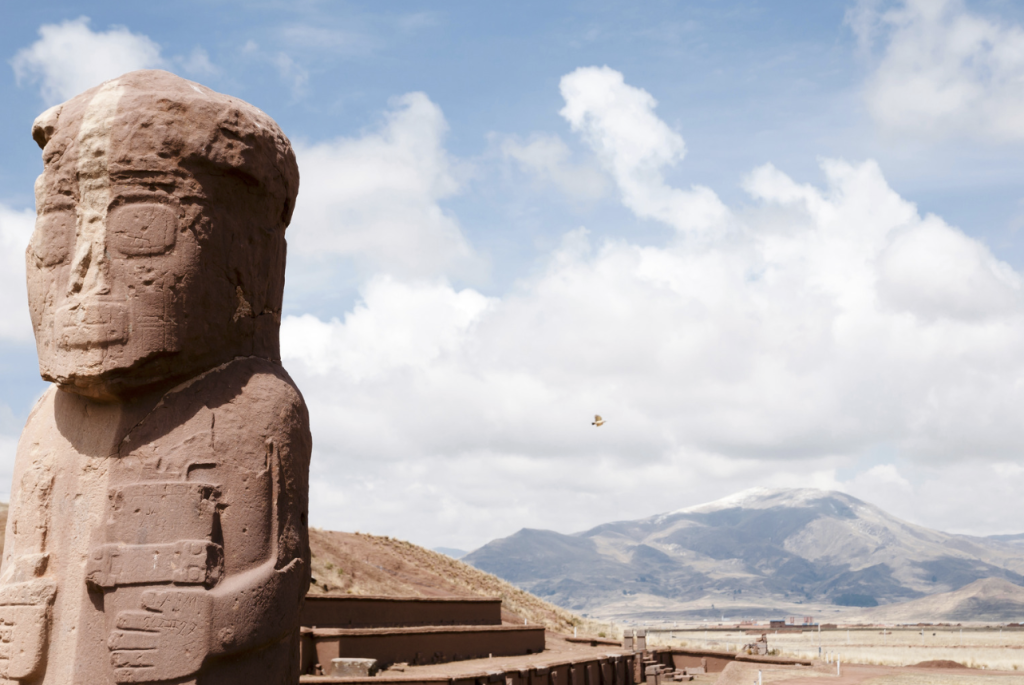
Every June 21st, indigenous groups gather at sacred sites like Tiwanaku near Lake Titicaca. The ceremony begins in early morning as participants wait for sunrise. Traditional clothing fills the landscape with vibrant colors against ancient stone ruins.
This religious celebration predates Spanish colonization by thousands of years. Indigenous populations view this as their most important festival, welcoming the coming year with gratitude to Mother Earth. Ritual offerings include coca leaves, alcohol, and food for Mother Nature.
Tiwanaku serves as the perfect place for this celebration. The archaeological site aligns perfectly with solar movements during the winter solstice. Visitors witness indigenous rituals that connect modern Bolivia with its pre-Columbian roots.
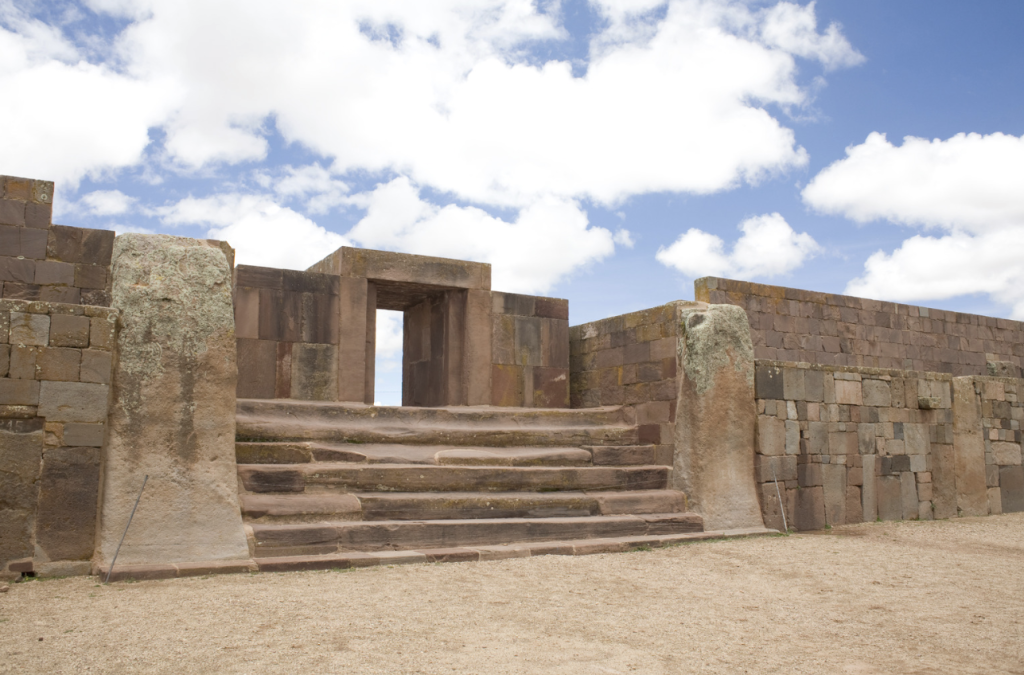
The festival represents a wonderful opportunity for international visitors to experience authentic indigenous culture. However, respect the sacred nature of ceremonies. Photography may be restricted at certain moments.
Local artisans sell traditional crafts and traditional foods during the celebration. Many small towns across Bolivia hold their own Inti Raymi ceremonies. This national holiday showcases Bolivia’s indigenous heritage and connection to ancient festival traditions that honor the cycles of Mother Earth.
Virgin of Urkupiña Festival – Cochabamba’s Beloved Pilgrimage
The Virgin of Urkupiña festival transforms Cochabamba into Bolivia’s pilgrimage capital every August. This religious festival honors the Virgin Mary through one of South America’s most devoted celebrations.
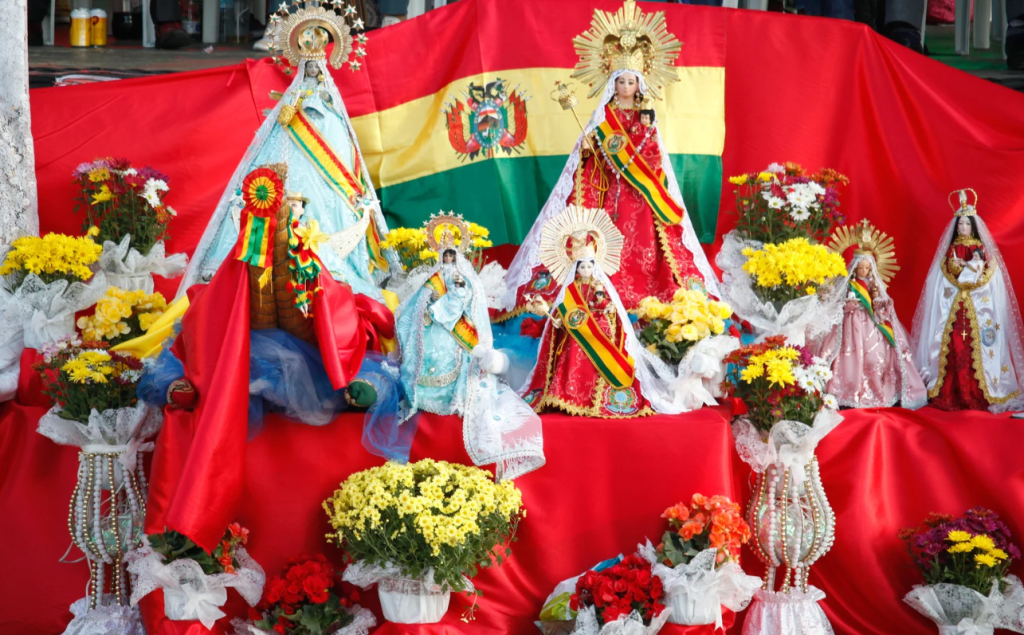
From August 15th to 18th, over one million pilgrims journey to Quillacollo. The festival combines Catholic religion with indigenous culture, creating a unique religious celebration. Devotees seek good luck and good fortune from the miraculous virgin.
Traditional dances fill the streets during the main events. Groups perform folkloric dances in elaborate colorful costumes throughout the celebration. The Morenada, Caporales, and regional dances showcase Bolivia’s rich cultural heritage.
The pilgrimage tradition spans centuries-old traditions. Believers walk for days to reach the sanctuary, carrying stones they believe will bring prosperity. Local markets overflow with religious artifacts, candles, and traditional foods.
This annual festival offers international visitors insight into Bolivia’s deep faith traditions. The celebration demonstrates how indigenous groups adapted Christian beliefs while maintaining their cultural identity. Families gather from across parts of Bolivia for this sacred time.
Local artisans create intricate religious crafts specifically for the festival. Street vendors sell everything from prayer candles to miniature houses representing prayers for shelter. The festive events create a great opportunity to witness authentic devotion in one of Bolivia’s most important festivals outside La Paz.
Regional Festivals Worth Discovering – Hidden Gems Across Bolivia
Beyond the famous festivals, Bolivia’s small towns host incredible unique festivals throughout the year. These cultural festivals offer international visitors authentic experiences away from tourist crowds.
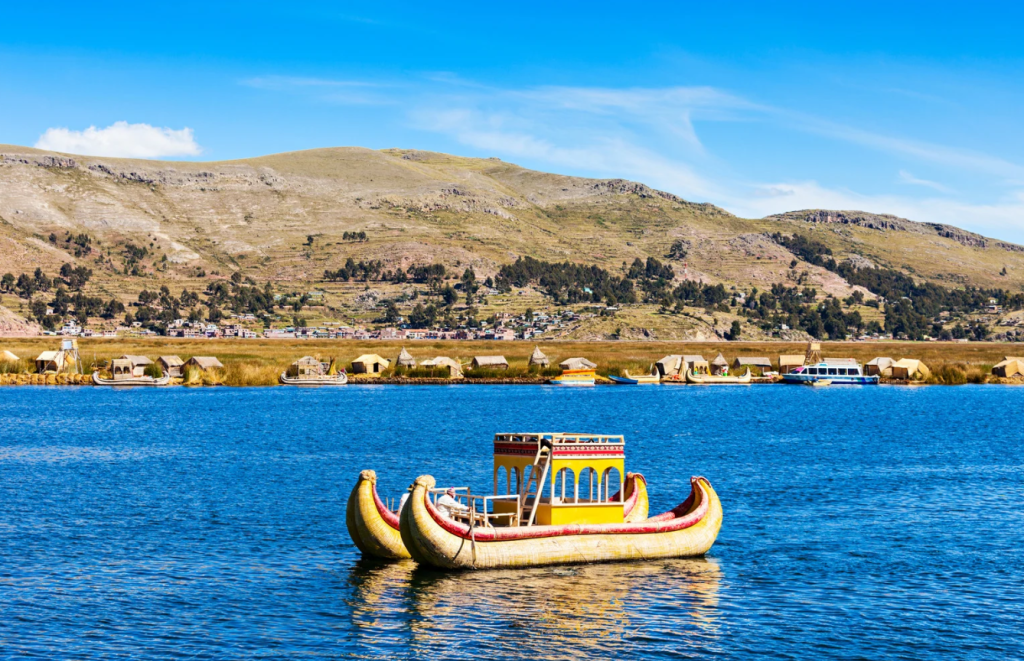
The Virgin of Copacabana festival at Lake Titicaca creates magical moments every August 5th. This religious celebration combines stunning lake views with traditional dances and indigenous rituals. Pilgrims travel from across South America to honor the patron saint of Bolivia.
San Juan celebrations light up Bolivia’s winter solstice in June. Small towns across the altiplano celebrate with massive bonfires and traditional foods. Families gather for good fortune rituals that welcome the coming year with hope.
The 16 de Julio celebration transforms La Paz into a cultural festival paradise. Street performers, local artisans, and folkloric dances fill the city of La Paz with energy. This annual festival showcases Bolivia’s diversity through regional music and dance.
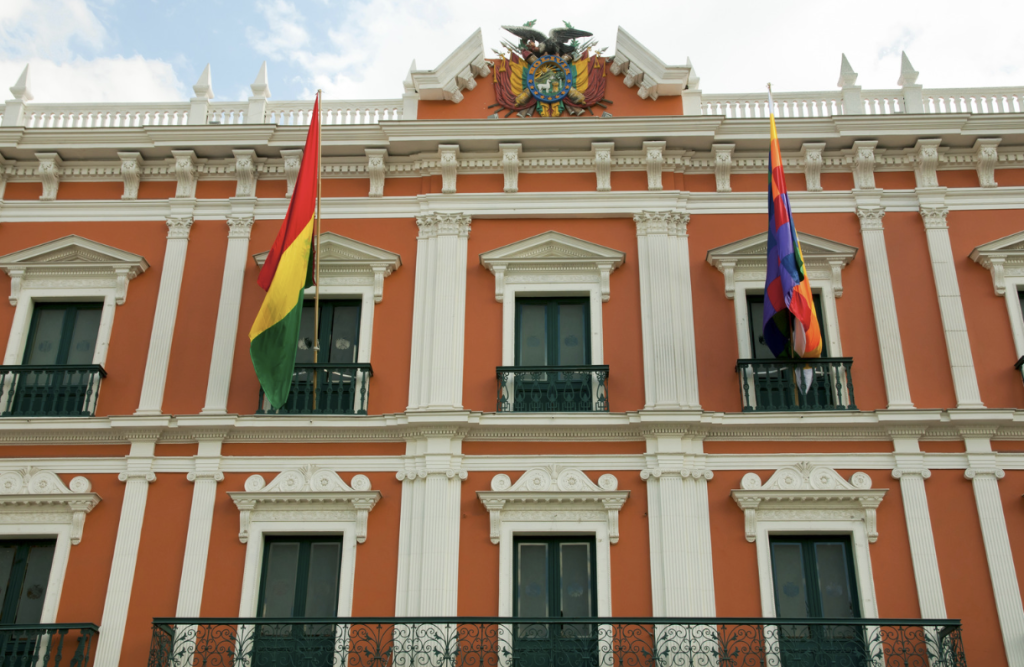
Local markets during these regional festivals offer wonderful opportunities to discover authentic crafts. Indigenous groups display centuries-old weaving techniques and traditional clothing. Each celebration reflects the local culture of its specific region.
These colorful events provide great opportunities for cultural immersion. Parts of Bolivia celebrate harvest festivals, patron saint days, and seasonal changes. International visitors discover that Bolivia’s rich cultural heritage extends far beyond the most important festivals, revealing the true heart of Bolivian festivals in intimate community settings.
Festival Calendar – When to Visit Bolivia for the Best Celebrations
Planning your Bolivia festivals journey requires strategic timing. The best festivals occur during specific seasons, making careful calendar planning essential for international visitors.
February through March brings the Carnaval de Oruro and other Bolivian festivals celebrating pre-Lenten traditions. This period offers the biggest events but requires advance booking. Weather remains pleasant despite occasional rain.
Late May through early June features the spectacular Gran Poder festival in La Paz. Holy Week and Easter Sunday celebrations also occur during autumn months. Semana Santa processions fill small towns across Bolivia with religious celebrations.
June 21st marks Inti Raymi, the Aymara New Year and winter solstice celebration. Early June through late May offers cooler temperatures perfect for highland festivals. Many traditional festivals honor the harvest season during these months.
August dominates with the Virgin of Urkupiña pilgrimage and numerous patron saint celebrations. Early November brings unique festivals like the Alasitas festival preparations in some regions.
January features the famous Alasitas festival, where miniature objects bring good luck for the coming year. This national holiday period offers mild summer weather ideal for cultural festivals.
International visitors should consider that major festivals coincide with peak tourist seasons. Small towns often celebrate local culture during off-peak months, providing great opportunities for authentic experiences. Weather patterns vary dramatically across parts of Bolivia, affecting annual festival accessibility and comfort.



Cultural Context – Understanding Bolivia’s Festival Traditions
Bolivian festivals represent a fascinating fusion of indigenous culture and Catholic religion. These centuries-old traditions showcase how indigenous groups adapted Spanish colonial influences while preserving their ancestral beliefs.
Before Spanish conquest, indigenous populations celebrated seasonal cycles honoring Mother Earth and the sun god. The winter solstice, harvest times, and astronomical events shaped their ancient festival calendar. These indigenous rituals connected communities to Mother Nature‘s rhythms.
Spanish colonizers introduced Christian beliefs and Catholic Church traditions. Rather than replacing indigenous heritage, a unique syncretism emerged. Religious celebrations like Holy Week and Easter Sunday incorporated pre-Columbian elements, creating distinctly Bolivian expressions of faith.
Traditional dances tell these complex stories. The dance of the devils in Carnaval de Oruro represents the struggle between good and evil spirits. Folkloric dances preserve historical memory while entertaining communities during festive events.
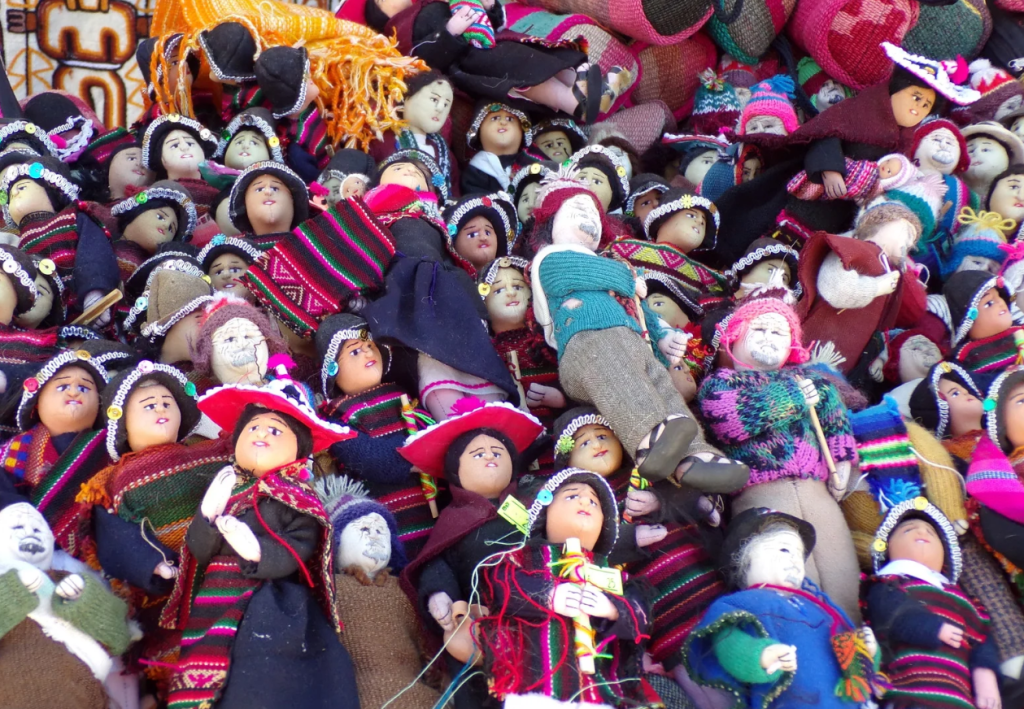
Colorful costumes carry deep symbolic meaning. Each design element represents specific aspects of Bolivian identity. Local artisans spend months creating elaborate outfits that honor both Jesus Christ and ancient deities.
Modern Bolivian cultural celebrations maintain this dual identity. Small towns and major cities alike celebrate patron saint festivals that blend European religious festivals with indigenous rituals. This rich cultural heritage makes Bolivia’s traditional festivals unique in South America, offering international visitors authentic experiences that span millennia of continuous celebration.



Practical Travel Guide – Planning Your Bolivia Festival Adventure
Planning your Bolivian festivals adventure requires careful preparation for high-altitude celebrations and crowded festive events. International visitors need specific strategies for successful festival experiences.
Santa Cruz and La Paz serve as primary entry points for Bolivia festivals. El Alto International Airport connects directly to La Paz, while Santa Cruz offers easier altitude adjustment. Book flights early during major festival seasons when prices spike dramatically.
Accommodation becomes scarce during famous festivals like Carnaval de Oruro and Gran Poder. Reserve hotels at least three months ahead for the biggest events. Small towns often lack sufficient lodging, so consider staying in nearby cities.
Altitude sickness affects many visitors to Bolivia’s highland cultural festivals. Arrive several days early to acclimatize before main events. Coca tea and gradual elevation changes help adjustment. Avoid alcohol during your first 48 hours.
Local markets provide festival essentials like warm clothing and rain gear. Weather changes rapidly during outdoor festivals, especially in early morning ceremonies like Inti Raymi. Pack layers and waterproof items regardless of season.
Budget approximately $50-100 daily during peak festival periods. Traditional foods, transportation, and festival merchandise cost more during celebrations. Local artisans offer authentic souvenirs, but negotiate respectfully.
Transportation fills quickly during annual festivals. Book buses and domestic flights well in advance. International visitors should carry copies of passports and vaccination cards. Many religious celebrations require respectful dress codes – research specific festival requirements beforehand.
Photography and Documentation – Capturing Bolivia’s Festival Magic
Documenting Bolivian festivals requires sensitivity and technical skill. These colorful events offer incredible photographic opportunities, but religious celebrations demand respectful approaches to capturing indigenous culture.
Early morning light during Inti Raymi and sunrise ceremonies creates stunning imagery. The first rays of sun illuminating traditional clothing and ancient ruins provide magical moments. Arrive before dawn for optimal positioning at sacred sites like Lake Titicaca.
Traditional dances present dynamic subjects during festive events. Fast shutter speeds capture movement in folkloric dances like the Morenada and Caporales. Colorful costumes pop against Bolivia’s dramatic landscapes, especially during Carnaval de Oruro parades.
Always request permission before photographing indigenous groups in religious celebrations. Many patron saint festivals and indigenous rituals consider photography intrusive. Respect boundaries during sacred moments in Holy Week or Semana Santa processions.
Local markets and local artisans usually welcome photography. Document the incredible craftsmanship behind traditional clothing and festival decorations. These images showcase Bolivia’s rich cultural heritage beyond the main performances.
Night photography during evening cultural festivals requires tripods and higher ISO settings. Small towns often lack street lighting, creating challenges but also opportunities for dramatic shots. Battery life decreases rapidly in cold highland conditions.
International visitors should backup photos immediately during major festivals. Local culture appreciates when photographers share images with communities. Consider printing photos to gift festival participants – this gesture builds wonderful connections.
Local Experiences – Food, Music, and Authentic Festival Culture
Traditional foods transform during Bolivian festivals, offering international visitors authentic culinary adventures. Street vendors multiply during major festivals, creating temporary local markets filled with regional specialties and festive treats.
Salteñas become festival breakfast staples during Carnaval de Oruro and Gran Poder celebrations. These savory pastries fuel dancers and spectators throughout long parade days. Api morado (purple corn drink) warms crowds during cold winter solstice celebrations like Inti Raymi.
Local artisans showcase centuries-old skills during cultural festivals. Watch weavers create traditional clothing using techniques passed down through indigenous groups. Many small towns host artisan competitions during annual festivals, celebrating Bolivia’s rich cultural heritage.
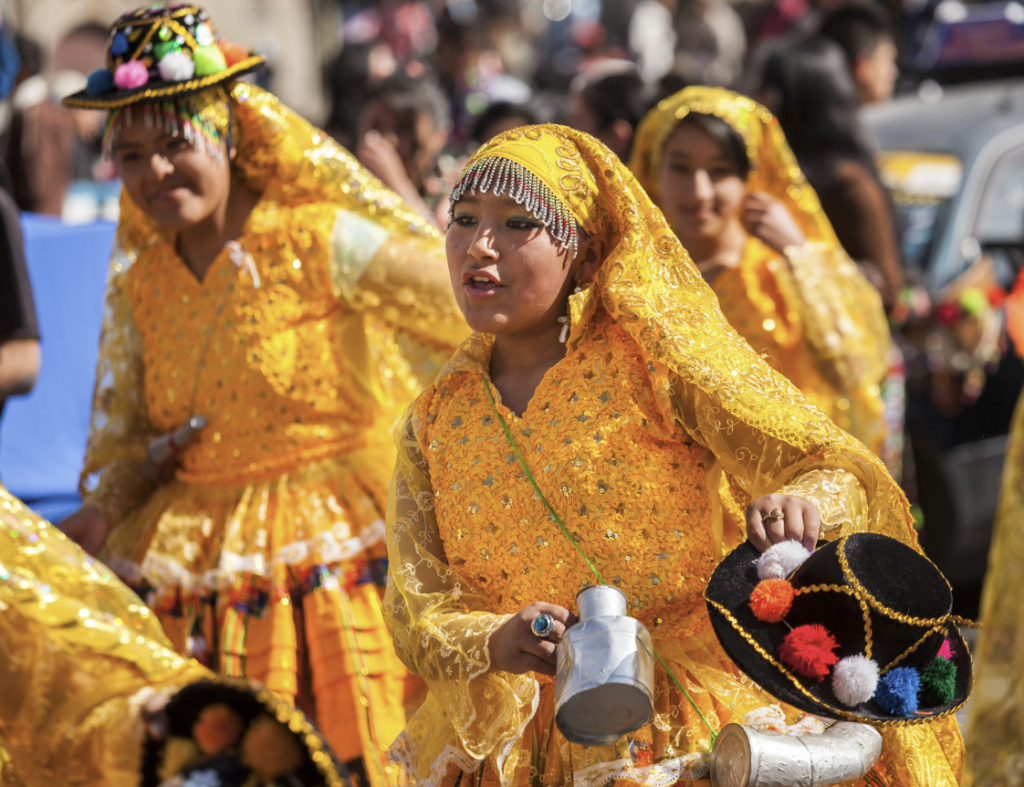
Traditional dances tell stories through movement and music. Learn basic steps from local culture enthusiasts during festive events. Many festivals offer informal dance lessons, creating wonderful opportunities for cultural exchange with indigenous populations.
Folkloric dances feature live music ensembles playing ancient instruments. Zampoña flutes and charango strings create the soundtrack for religious celebrations. Local markets sell these instruments, allowing visitors to take Bolivia’s musical heritage home.
Good fortune traditions involve sharing meals with strangers during festivals. Families invite international visitors to join their celebrations, especially during patron saint festivities in small towns. These intimate moments reveal the generous spirit behind Bolivian cultural celebrations.
Parts of Bolivia specialize in different festival foods. Each region contributes unique flavors to the national festival calendar.



Conclusion
Bolivia’s festivals offer travelers an unparalleled journey through living history, where ancient Andean wisdom meets colonial heritage in spectacular displays of music, dance, and community spirit. Whether you’re drawn to the world-renowned Oruro Carnival or seeking intimate connections at smaller regional celebrations, these festivals provide transformative experiences that go far beyond typical tourist attractions.
As you plan your 2025 Bolivia adventure, remember that festivals here aren’t performances for tourists – they’re sacred expressions of identity, faith, and cultural continuity. Approach them with respect, curiosity, and an open heart, and you’ll discover that Bolivia’s festivals don’t just show you the country’s culture – they invite you to become part of it.
Ready to experience Bolivia’s festival magic? Start planning your journey today and prepare for cultural immersion that will change how you see South America forever.