Adventure Tourism in 2026: Industry Trends, Statistics & Why It’s the Future of Travel

What Is Adventure Tourism? (Official Definition & Categories)
Adventure tourism is formally defined by the Adventure Travel Trade Association (ATTA) as travel that includes at least two of the following three elements: physical activity, cultural immersion, and interaction with nature. This definition deliberately extends beyond extreme sports to encompass a wide spectrum of experience-driven travel. Find ideas for the next adventure tourism.
You may also like this:
Best Snorkeling Spots in Tulum: Local Guide & Hidden Gems


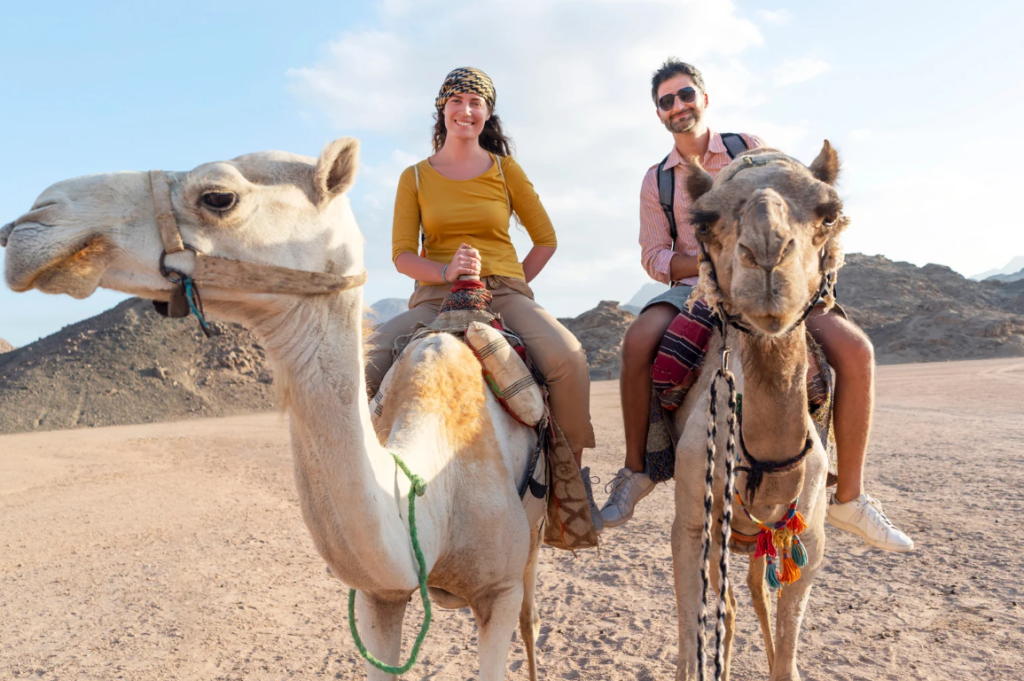
Hard Adventure vs. Soft Adventure
Adventure tourism is typically divided into two categories:
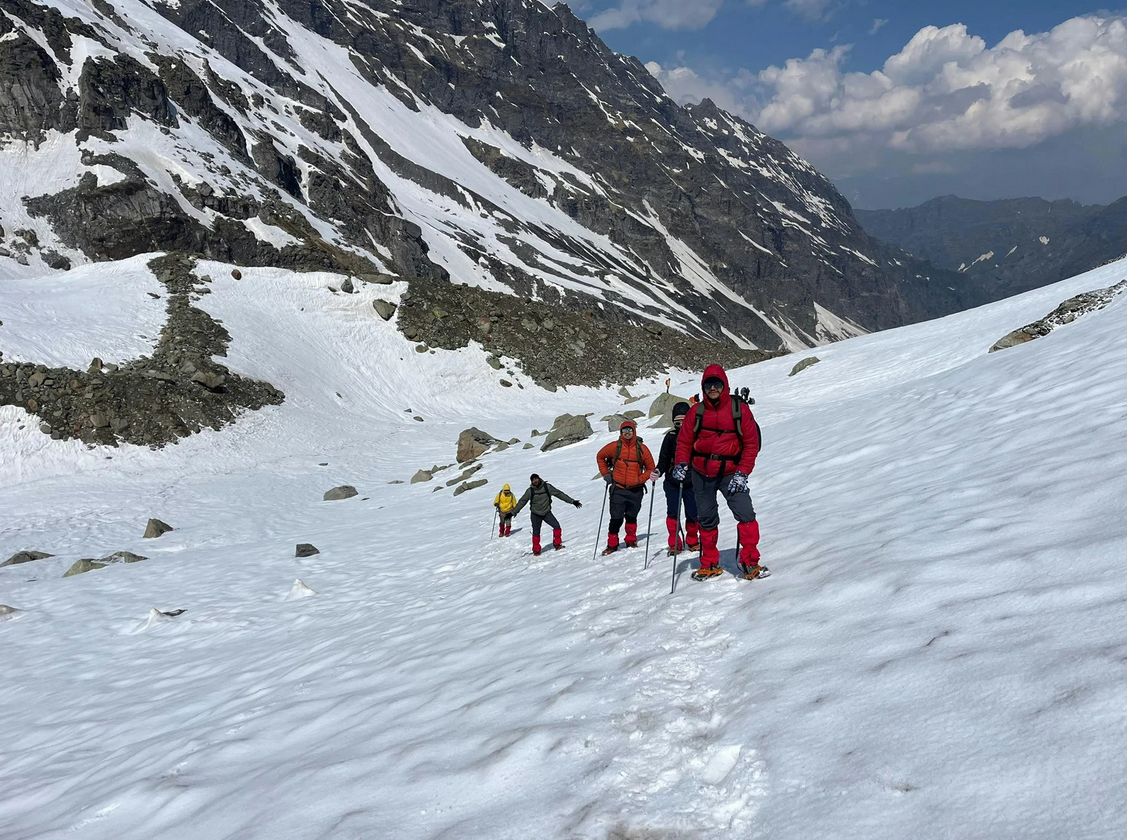
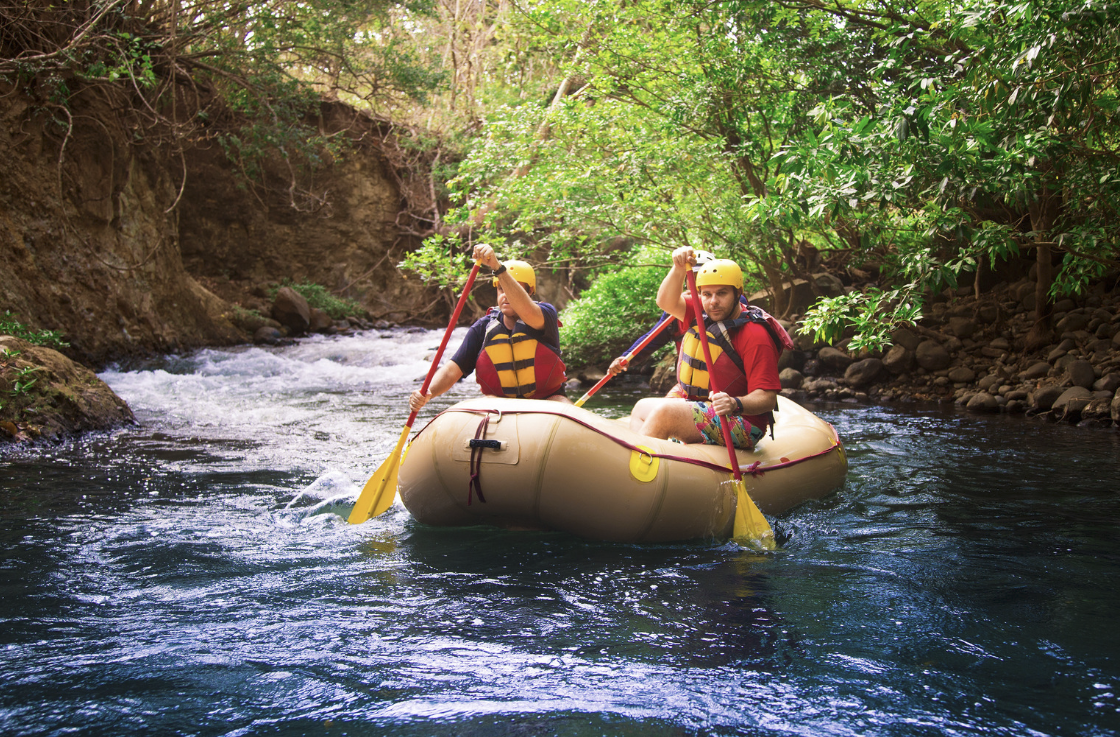
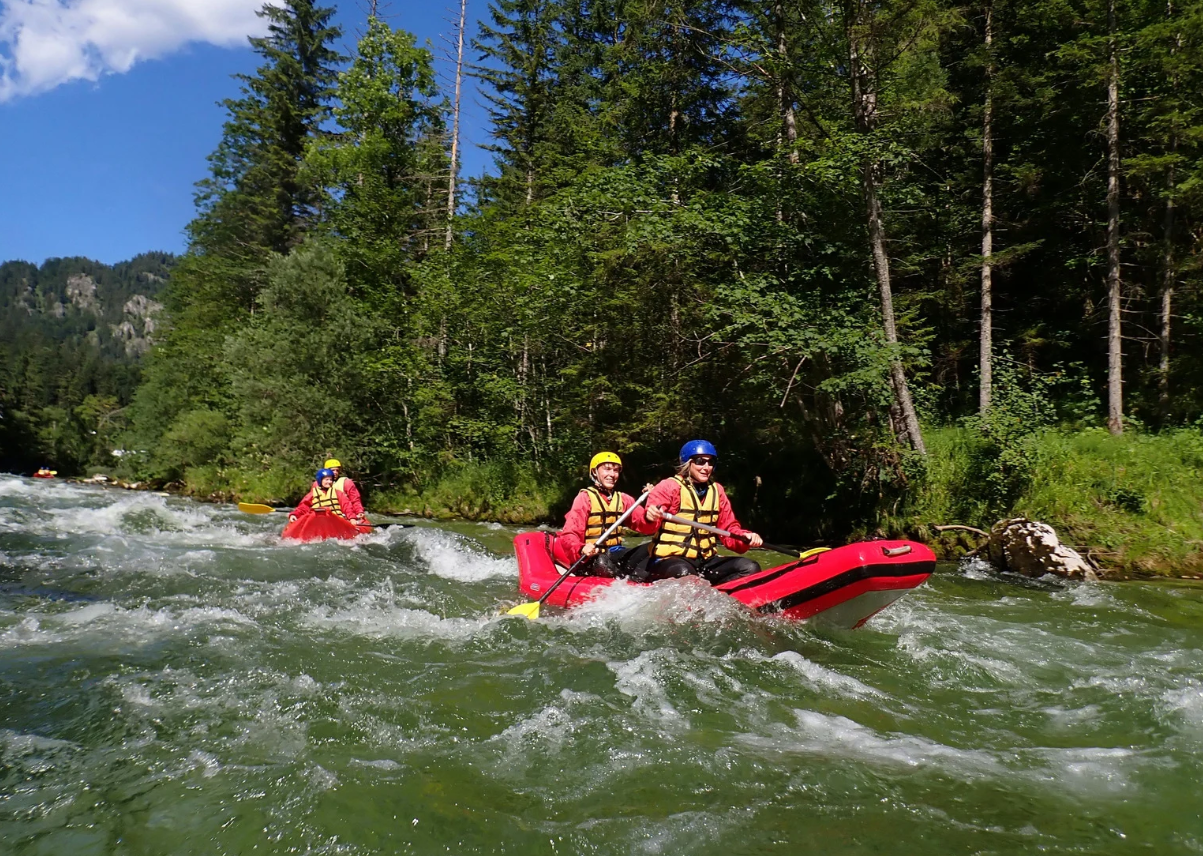
- Hard adventure: High-risk, physically demanding activities such as mountaineering, ice climbing, whitewater rafting, heli-skiing, and deep-sea diving.
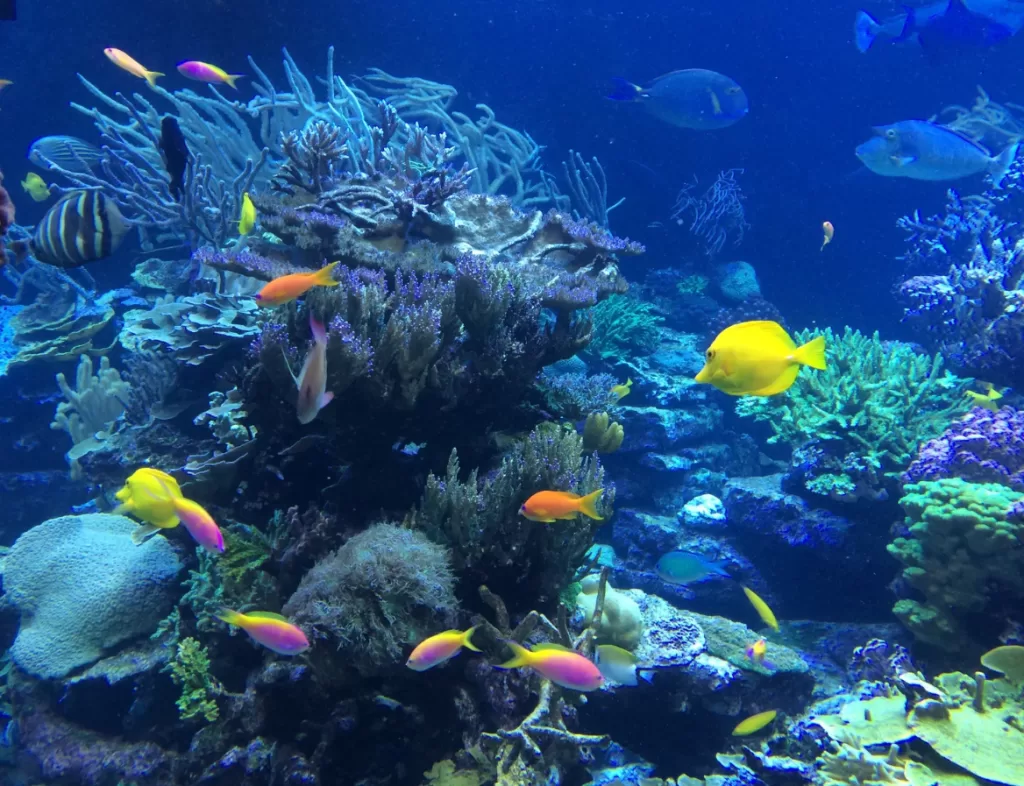
- Soft adventure: Lower-risk but still experiential travel such as hiking, cycling tours, kayaking, wildlife safaris, culinary adventures, and cultural trekking.
Soft adventure continues to dominate market share due to broader accessibility and appeal across age groups.
Adventure Tourism vs. Ecotourism and Traditional Tourism
While ecotourism focuses primarily on environmental conservation and education, adventure tourism emphasizes active participation. Traditional tourism, by contrast, tends to center on passive experiences such as sightseeing, resorts, and packaged leisure travel.
Adventure tourism often overlaps with ecotourism but is distinguished by movement, challenge, and personal transformation.
The Rise of “Darecations”
Adventure tourism also aligns closely with the growing concept of darecations—purpose-driven trips designed to push comfort zones without requiring elite athleticism. Moreover, darecations emphasize personal growth, novelty, and memorable experiences, making them especially attractive to modern travelers seeking meaning over material luxury.
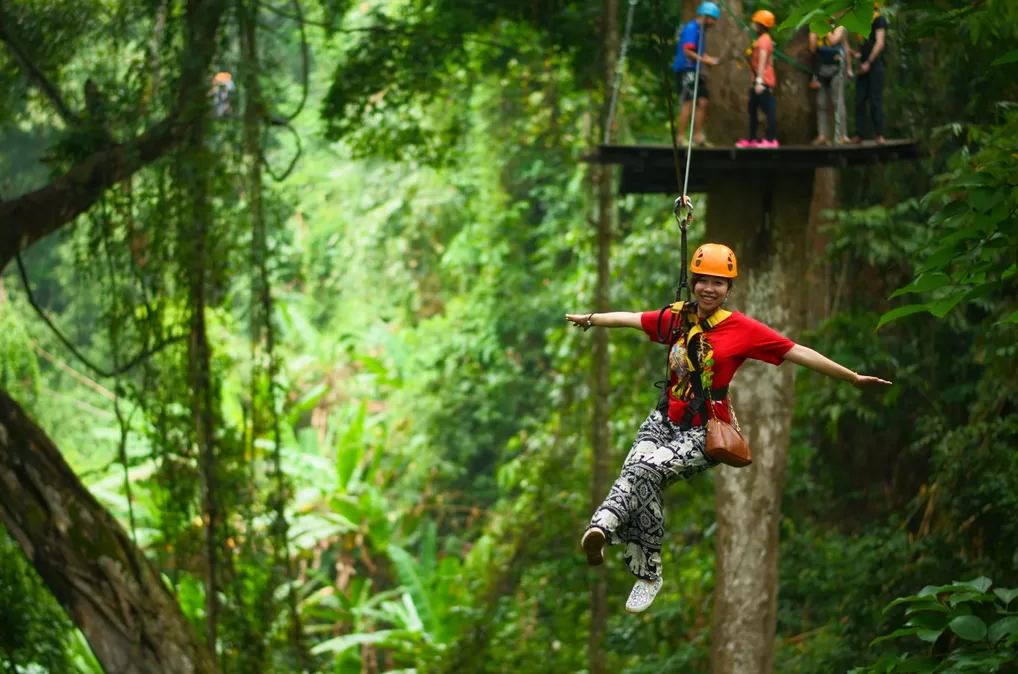
Adventure Tourism Market Size & Growth Statistics
Adventure tourism has transitioned from a niche segment to one of the fastest-growing sectors in global travel.
- 2024 market valuation: $280+ billion
- Projected market size by 2030: $1.3 trillion
- Compound annual growth rate (CAGR): Approximately 15–17%
Regional Market Leaders
- Asia-Pacific: The fastest-growing region, driven by Nepal, Thailand, Indonesia, and New Zealand
- Europe: Strong demand for alpine, Nordic, and nature-based adventure travel
- Americas: Long-standing leaders including Costa Rica, Canada, Peru, and the United States
Post-Pandemic Acceleration
Following the pandemic, travelers increasingly prioritize:
- Outdoor and uncrowded experiences
- Physical and mental wellness
- Longer, more meaningful trips
Adventure tourism has significantly outpaced traditional tourism growth rates, particularly in premium and small-group segments.










Who Are Adventure Tourists? (Demographics & Psychographics)
Age & Generational Trends
- Millennials and Gen Z lead participation, accounting for the largest share of adventure travelers
- Gen X and Boomers are increasingly drawn to soft adventure and multi-day guided experiences
Income & Spending Patterns
Adventure travelers typically:
- Earn above-average household incomes
- Spend more per trip than traditional leisure travelers
- Prioritize experiences over accommodations
Gender & Participation Shifts
Historically male-dominated, adventure tourism now shows near gender parity, with solo female adventure travel growing rapidly.
Motivations & Values
Key motivators include:
- Personal growth and challenge
- Authentic cultural connection
- Sustainability and ethical travel
- Story-worthy experiences
Solo vs. Group Travel
- Solo adventure travel is rising, especially among women
- Small-group guided adventures remain dominant for safety and logistics
Top Adventure Tourism Trends Shaping 2026
Sustainable and Regenerative Adventure Travel
Travelers increasingly seek trips that actively contribute to environmental restoration and community development.
Technology Integration
- GPS-based trail apps and offline navigation
- Wearables for safety and health monitoring
- Virtual reality for pre-trip training and destination previews
Wellness + Adventure
Popular combinations include hiking with mindfulness, yoga retreats paired with trekking, and cold exposure experiences.
Multi-Generational Adventure Travel
Families now seek adventures suitable for grandparents, parents, and children, driving demand for adaptable itineraries.
Voluntourism and Conservation Tourism
Hands-on conservation projects are becoming mainstream within adventure itineraries.
Micro-Adventures and Weekend Darecations
Short, local, high-impact adventures appeal to time-conscious travelers.
Digital Nomad Adventure Travel
Remote workers increasingly build adventure travel into long-term stays.

Adventure Tourism FAQs
| Question | Concise Answer |
|---|---|
| What is adventure tourism? | Adventure tourism is travel that combines physical activity, interaction with nature, and cultural immersion. According to the Adventure Travel Trade Association (ATTA), an adventure trip must include at least two of these elements. |
| How big is the adventure tourism industry? | The global adventure tourism market exceeded $280 billion in 2024 and is projected to reach $1.3 trillion by 2030, making it one of the fastest-growing travel sectors. |
| Why is adventure tourism growing so fast? | Growth is driven by demand for meaningful experiences, outdoor travel, sustainability, wellness, and post-pandemic preferences for active, uncrowded destinations. |
| What is the difference between adventure tourism and ecotourism? | Adventure tourism emphasizes active participation and physical engagement, while ecotourism focuses on conservation and education. Many trips overlap, but adventure tourism requires movement and challenge. |
| Who are adventure tourists? | Adventure tourists are primarily Millennials and Gen Z, with increasing participation from Gen X and Baby Boomers. Most have above-average incomes and prioritize experiences over luxury. |
| Is adventure tourism safe? | Yes, when operated responsibly. Certified operators follow international safety standards, employ trained guides, conduct risk assessments, and carry specialized insurance. |
| What are examples of soft adventure tourism? | Soft adventure includes hiking, kayaking, cycling tours, wildlife safaris, snorkeling, cultural trekking, and culinary adventure travel. |
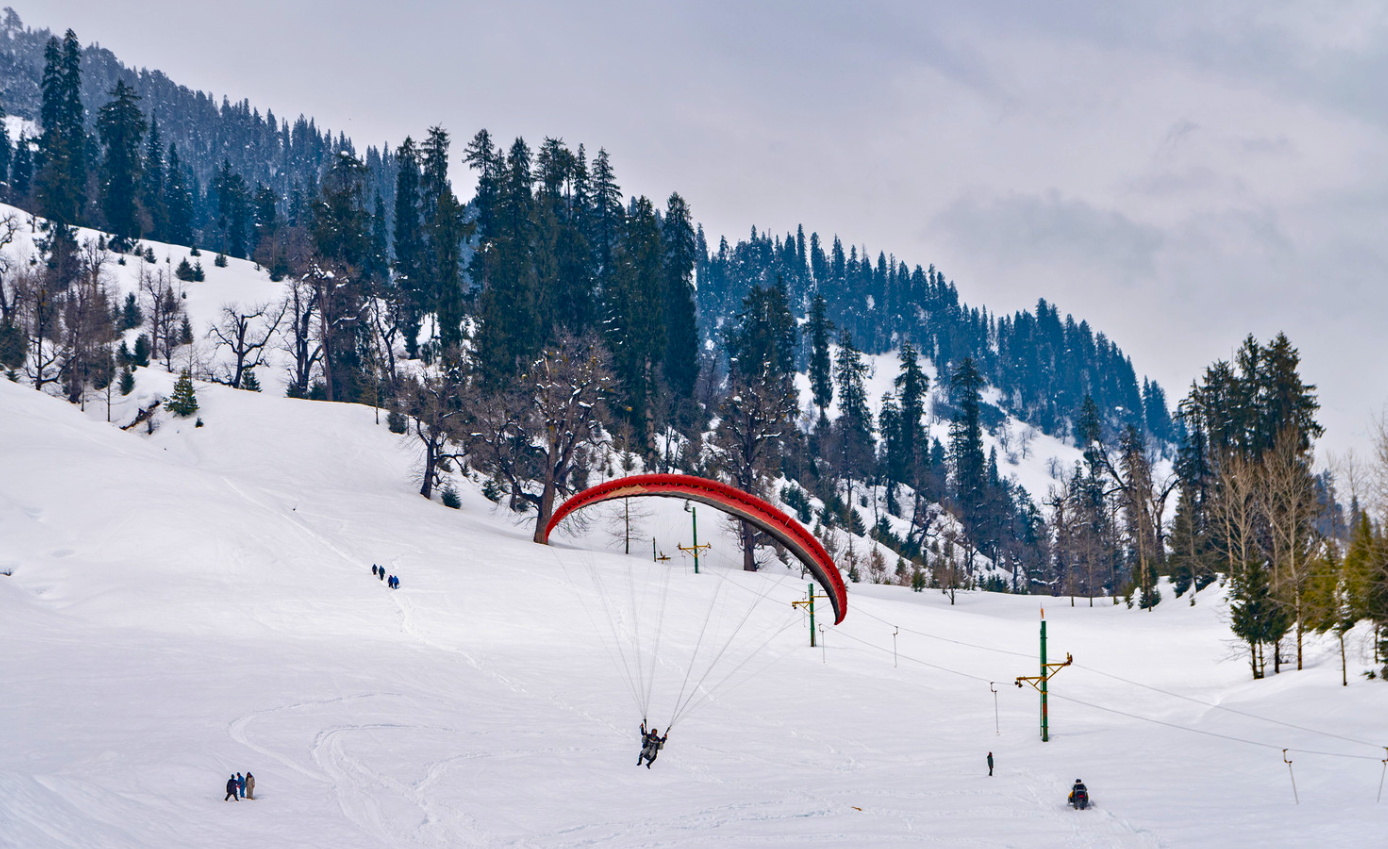
| What are examples of hard adventure tourism? | Hard adventure includes mountaineering, ice climbing, whitewater rafting, paragliding, scuba diving, and remote expedition travel. |
| Which countries are best for adventure tourism? | Top destinations include Nepal, New Zealand, Iceland, Norway, Costa Rica, Peru, Canada, and the United States, due to natural landscapes and strong infrastructure. |
| What is a darecation? | A darecation is a purpose-driven adventure trip designed to push personal boundaries without requiring extreme athleticism, focusing on growth and memorable experiences. |
| How does adventure tourism benefit local communities? | Adventure tourism creates jobs, supports small businesses, improves infrastructure, extends tourism seasons, and funds conservation through permits and park fees. |
| Is adventure tourism sustainable? | When managed responsibly, adventure tourism can be highly sustainable, supporting regenerative travel practices, conservation initiatives, and community-based tourism. |
| What are the biggest adventure tourism trends for 2026? | Major trends include sustainable travel, wellness adventures, micro-adventures, digital nomad travel, voluntourism, multi-generational trips, and technology integration. |
| How does adventure tourism compare to traditional tourism? | Adventure tourism generates higher per-traveler spending, keeps more money local, reduces overtourism pressure, and delivers stronger long-term economic benefits. |
| Will adventure tourism continue to grow beyond 2026? | Yes. Industry forecasts project sustained growth through 2030 and beyond, driven by changing traveler values, AI personalization, and new adventure frontiers. |
Economic Impact of Adventure Tourism
Adventure tourism delivers outsized economic benefits relative to traditional tourism.
- Job creation: Guides, outfitters, transport providers, hospitality workers
- Local income retention: Higher spend remains within host communities
- Infrastructure investment: Trails, safety services, and transportation improvements
- Seasonal diversification: Extends tourism beyond peak seasons
- Conservation funding: Park fees and permits support environmental protection








Leading Adventure Tourism Destinations by Region
Asia-Pacific
- Nepal: Trekking and mountaineering
- New Zealand: Outdoor sports and eco-adventures
- Thailand: Soft adventure and cultural immersion
Europe
- Iceland: Volcanic and Arctic adventures
- Norway: Fjords, hiking, and cold-water experiences
- Switzerland: Alpine tourism and multi-season adventure
Americas
- Costa Rica: Biodiversity and soft adventure leader
- Peru: Cultural trekking and archaeology
- Canada & USA: National parks and outdoor recreation
Emerging Markets
Africa and the Middle East are gaining traction through desert adventures, wildlife tourism, and luxury expedition travel.
The Business of Adventure Tourism
Industry Structure
The sector includes:
- Large multinational tour operators
- Regional specialists
- Independent local guides
Certification & Safety Standards
- ATTA guidelines
- ISO adventure tourism standards
- Mandatory guide training and risk management protocols
Insurance & Liability
Consider that insurance complexity remains a major operational cost, particularly for hard adventure operators.
Marketing Strategies That Work
- Storytelling-driven content marketing
- Influencer-led experiential campaigns
- SEO-focused destination authority sites
Small vs. Large Operators
Smaller operators compete through:
- Hyper-local expertise
- Customization
- Authentic community relationships
Challenges Facing Adventure Tourism
- Overtourism at iconic adventure destinations
- Climate change altering seasons and landscapes
- Safety incidents impacting destination reputation
- Balancing accessibility with preservation
- Regulatory inconsistencies across borders
The Future of Adventure Tourism (2026 and Beyond)
Looking ahead, adventure tourism will continue to innovate and expand.
Emerging Frontiers
- Space tourism and near-space experiences
- Polar and extreme expedition travel
Digital Innovation
- VR-based pre-trip experiences
- AI-personalized itineraries and risk assessments
Climate Adaptation
Operators are investing in alternative routes, seasonal shifts, and regenerative practices.
Industry Predictions
Remember that industry leaders anticipate adventure tourism becoming the default travel style rather than a niche, as travelers prioritize meaning, movement, and memorable experiences over traditional sightseeing.

Conclusion: Why Adventure Tourism Defines the Future of Travel
Adventure tourism is no longer a niche segment reserved for thrill-seekers—it has become a defining force shaping the global travel industry. As the market accelerates toward a projected $1.3 trillion valuation, adventure travel reflects a fundamental shift in how people choose to explore the world: prioritizing experiences over possessions, meaning over convenience, and connection over consumption.
In 2026 and beyond, the growth of adventure tourism will continue to be fueled by sustainability, technology, wellness integration, and a desire for purposeful travel. From micro-adventures and darecations to multi-generational expeditions and digital nomad journeys, adventure tourism offers flexible, scalable experiences that align with modern traveler values.
For destinations, operators, and travel businesses, this evolution presents both opportunity and responsibility. Those who invest in safety standards, community partnerships, and regenerative practices will not only remain competitive but help define the next era of travel. For travelers, adventure tourism represents more than a trip—it’s a way to move through the world with intention, curiosity, and impact.
As traditional tourism models face mounting pressure from overtourism and climate challenges, adventure tourism stands out as a resilient, future-forward approach—one that is shaping not just where we travel, but why we travel at all.