Amazing 7-Day Iceland Adventure Itinerary for Beginners
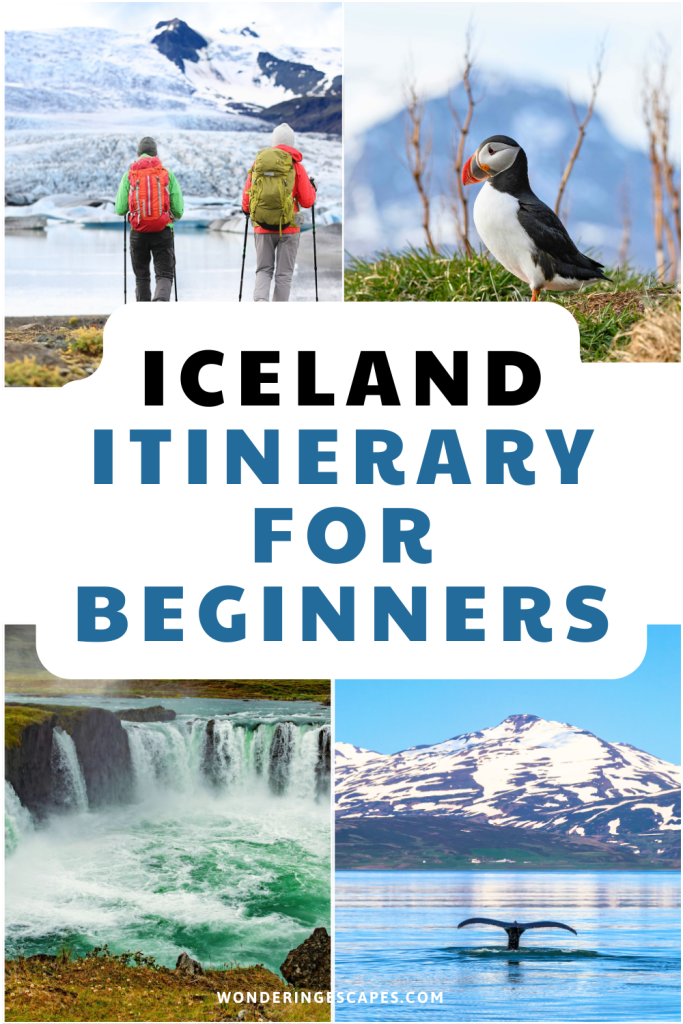
First-Time Travel Guide: 7-day Iceland itinerary for beginners
Have you ever dreamed of exploring surreal landscapes, standing beneath thundering waterfalls, or watching the Northern Lights ripple across the sky—without needing to be an extreme athlete?
Welcome to Iceland, one of the best destinations in the world for adventure travel beginners. This is where bold experiences meet comfort, safety, and accessibility. You can hike glaciers, explore volcanic terrain, soak in geothermal hot springs, and chase waterfalls—without technical skills or prior adventure experience.
You may also like this:






This guide to Iceland adventure travel for beginners covers exactly what you need to know: when to go, what to do, how to plan, and how to avoid the most common mistakes first-time travelers make. Whether you want light adventure or unforgettable bucket-list moments, Iceland delivers challenge without intimidation.
Why Iceland Is Perfect for Beginner Adventure Travelers
Supporting keywords: Iceland for first-timers, safe adventure destinations, beginner-friendly Iceland activities
Adventure travel doesn’t have to mean danger or discomfort. Iceland excels at offering experiences that feel epic while remaining safe, well-regulated, and accessible.
One of Iceland’s greatest strengths is its infrastructure. Paved roads lead to iconic sites. Parking lots, marked trails, and viewing platforms make natural wonders easy to access. Guided tours are run by certified professionals, equipment is provided, and safety standards are exceptionally high.
You can walk on a centuries-old glacier with crampons and an expert guide, reach a roaring waterfall just steps from your car, or snorkel between tectonic plates while wearing a fully insulated dry suit. These experiences feel daring—but they’re designed for beginners.
English is widely spoken, which removes a major barrier for first-time international adventurers. Iceland is also compact, allowing you to experience glaciers, volcanoes, black sand beaches, waterfalls, and geothermal areas in a single trip without exhausting travel days.
Perhaps most importantly, Iceland takes safety seriously. Roads close when conditions are dangerous. Tours are canceled without hesitation if weather turns unsafe. This proactive approach means you can explore confidently, knowing risks are managed professionally.
Iceland proves that you don’t need to be fearless—you just need curiosity.
Best Time to Visit Iceland for Adventure Travel
Supporting keywords: when to visit Iceland, Iceland weather by season, best season for Iceland adventures
There is no single “best” time to visit Iceland—only the best time for your priorities.
Summer (June–August): Peak Adventure Season
Summer offers mild temperatures (50–60°F / 10–15°C), accessible roads, and nearly 24 hours of daylight thanks to the midnight sun. This is the best season for hiking, road trips, wildlife watching, and exploring the Highlands.
The tradeoff is crowds and higher prices. Book accommodation and tours well in advance.
Winter (November–March): Northern Lights & Ice Caves
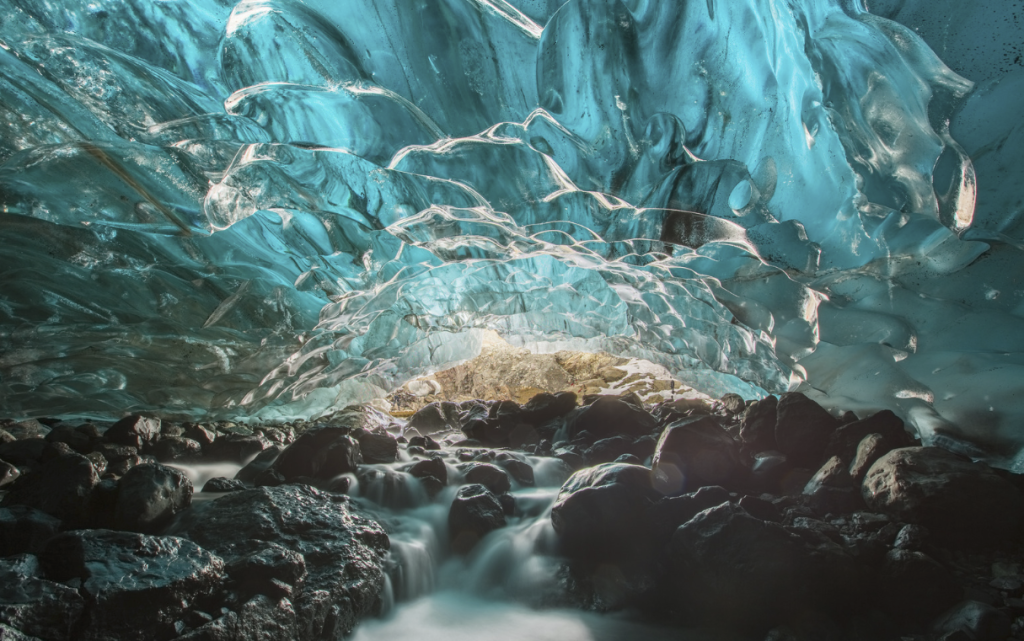
Winter is essential if seeing the Northern Lights is your top priority. Iceland also offers seasonal ice caves during this period, creating unforgettable experiences.
Expect fewer daylight hours, unpredictable weather, and occasional road closures. Flexibility is crucial—but winter rewards patience with once-in-a-lifetime moments.
Shoulder Seasons (April–May, September–October): The Sweet Spot
These months balance fewer crowds, lower prices, and still-accessible adventures. September is especially appealing for fall colors and early Northern Lights sightings, while May brings longer days and powerful spring waterfalls.
For first-time adventure travelers, late May or September often offer the best overall experience.






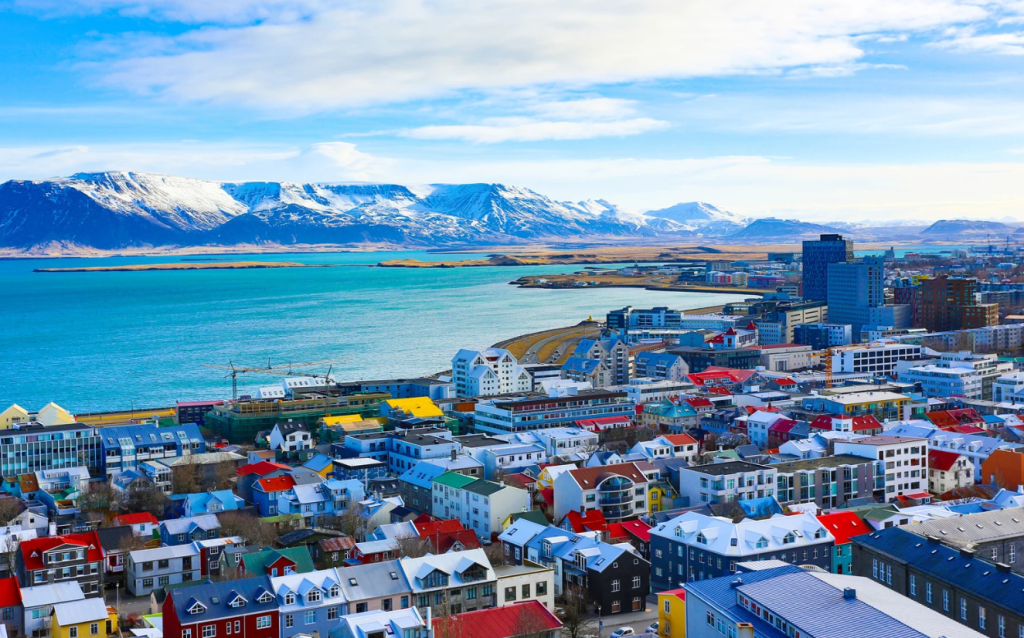
Essential Beginner-Friendly Adventures in Iceland
Supporting keywords: Iceland bucket list activities, safe Iceland adventures, must-do Iceland experiences
Glacier Hiking in Iceland
Glacier hiking is one of the most accessible adventure activities in Iceland. Guided tours on glaciers like Sólheimajökull or Svínafellsjökull include all necessary equipment and require only moderate fitness.
You’ll explore ice formations, crevasses, and deep blue ice while learning about Iceland’s geology—an unforgettable introduction to adventure travel.
Golden Circle Tour
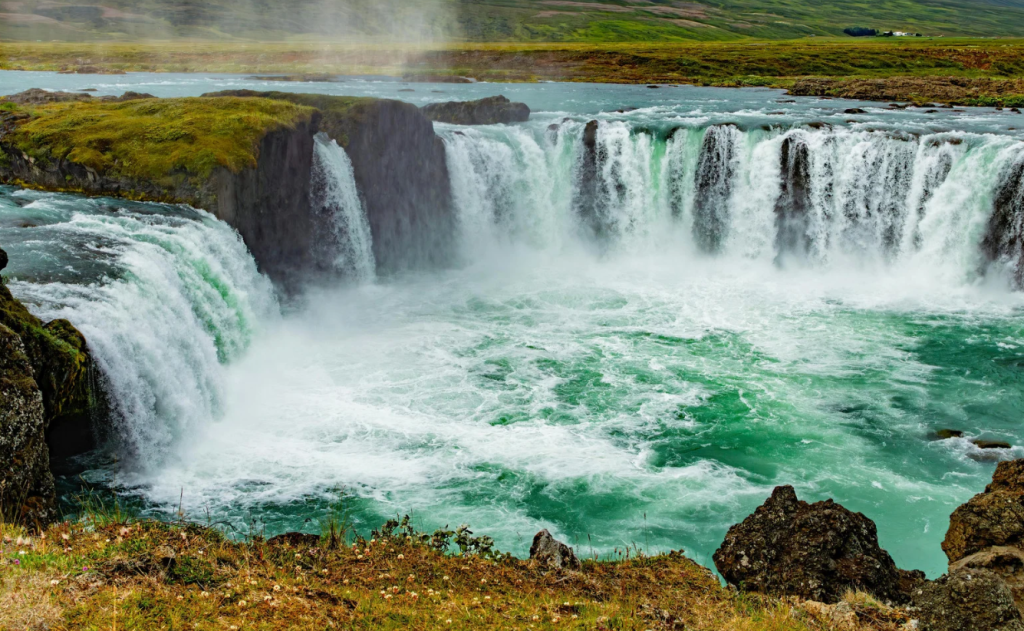
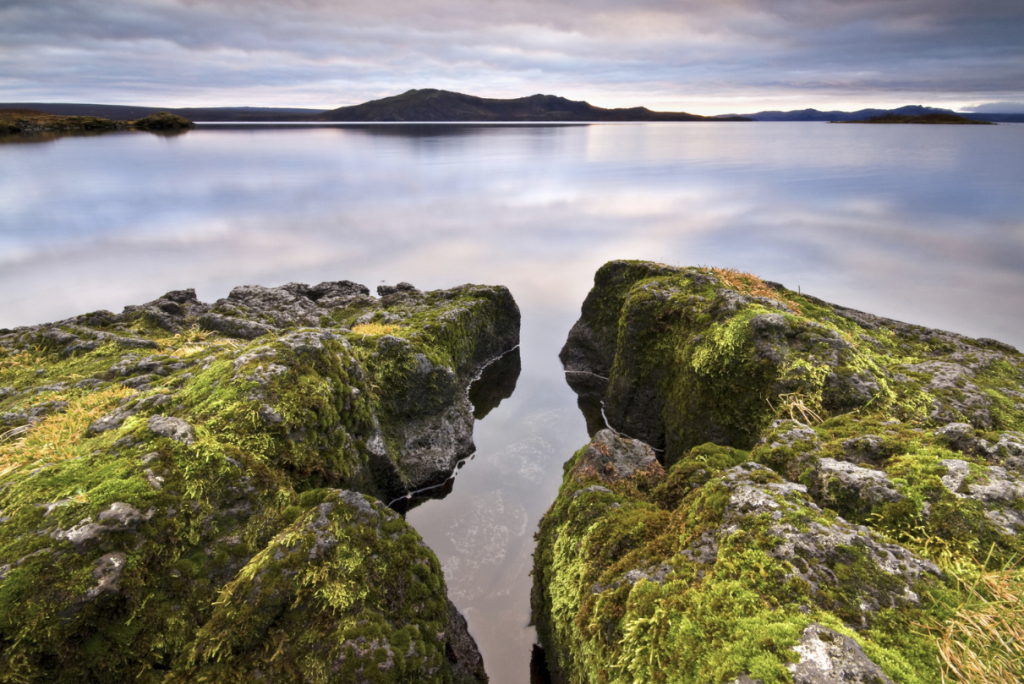
The Golden Circle is Iceland’s most popular route for good reason. It includes Þingvellir National Park, Geysir geothermal area, and Gullfoss waterfall—all accessible by paved roads.
This route is ideal for beginners and can be done independently or as a guided tour with optional adventure add-ons.
Snorkeling at Silfra
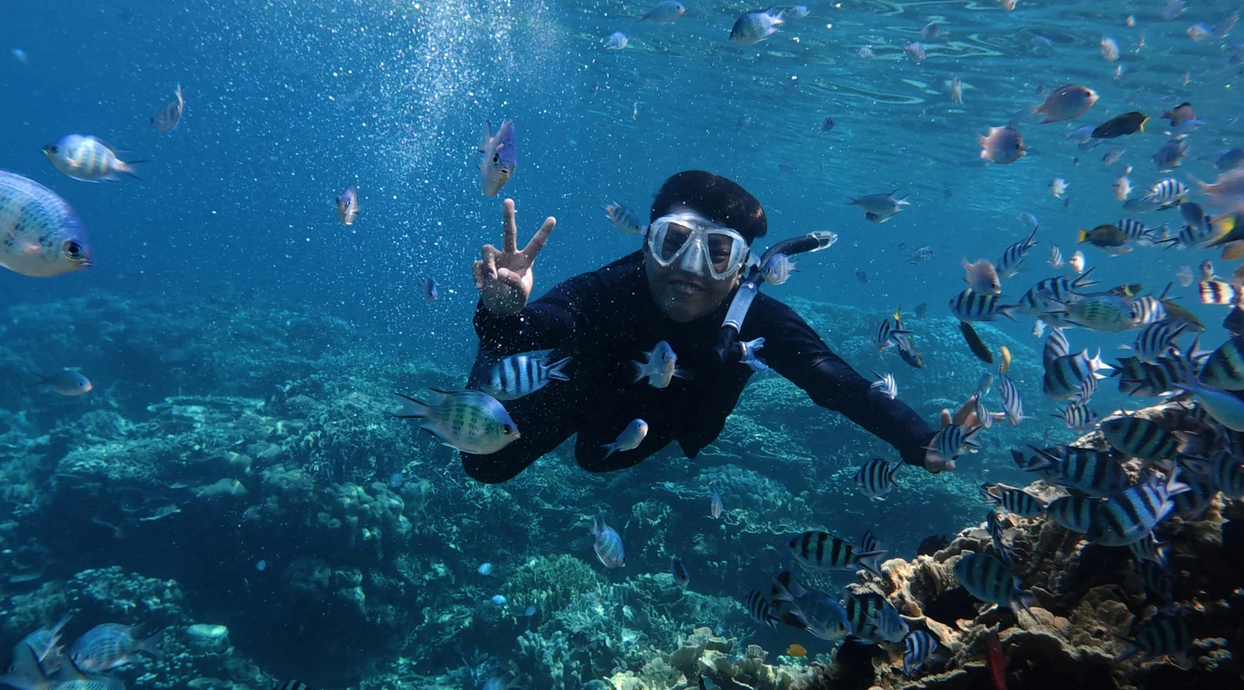
Snorkeling between the North American and Eurasian tectonic plates sounds extreme, but Silfra is surprisingly beginner-friendly. Dry suits keep you warm and buoyant, and visibility exceeds 100 meters.
It’s one of the most unique experiences in the world—and no diving certification is required.
South Coast Waterfalls
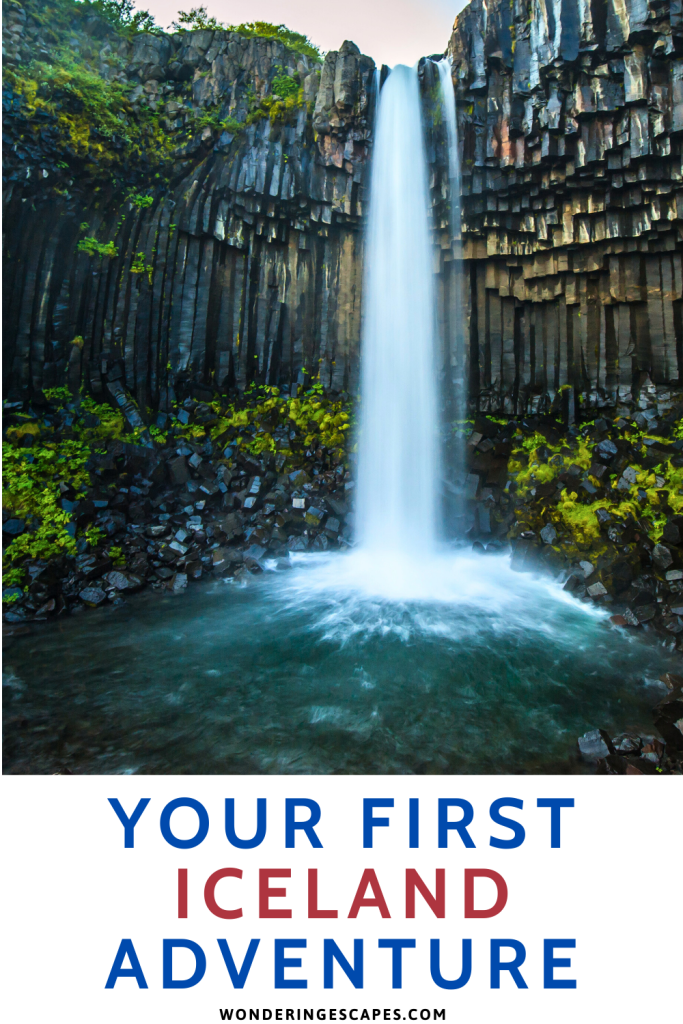
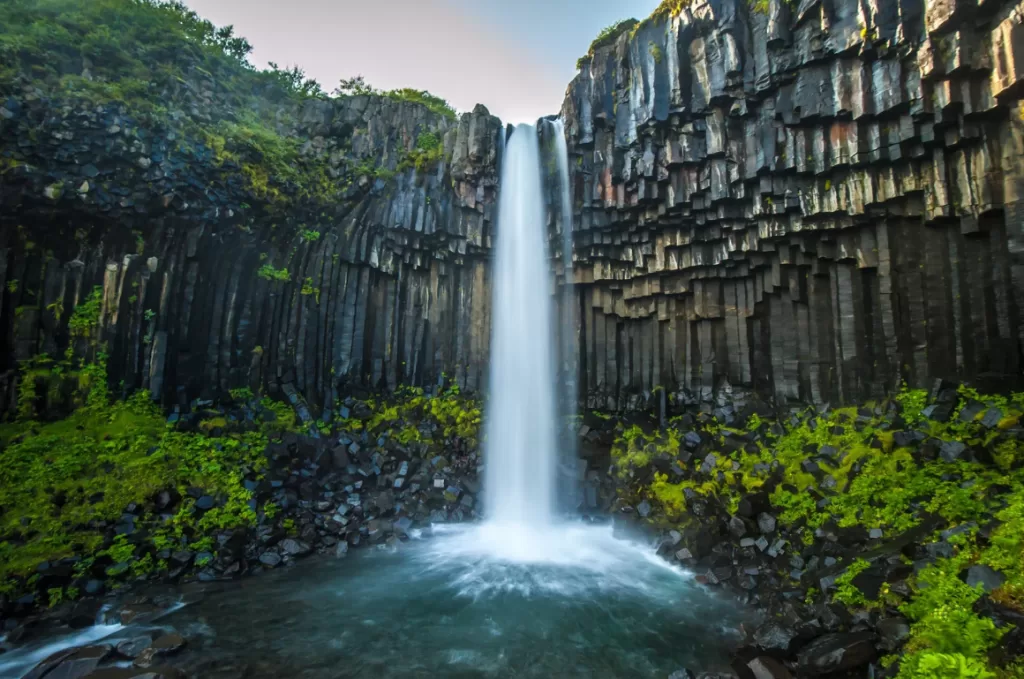
Waterfalls like Seljalandsfoss, Skógafoss, and Svartifoss offer massive visual impact with minimal effort. Most are accessible via short walks, making them perfect for travelers easing into adventure.
Whale Watching in Iceland
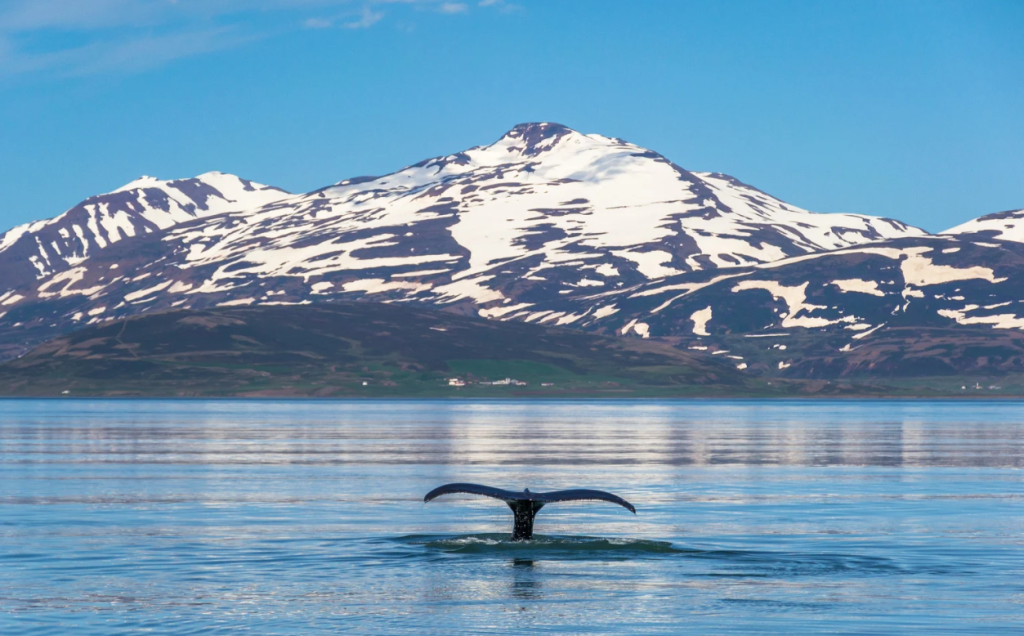
Whale watching tours from Reykjavik, Akureyri, or Húsavík offer high success rates, especially in summer. Expect to see humpbacks, minkes, dolphins, and occasionally blue whales.
The Ultimate 7-Day Iceland Adventure Itinerary for Beginners
This 7-day Iceland itinerary is designed specifically for first-time adventure travelers who want to experience Iceland’s most iconic landscapes without rushing, overdriving, or tackling advanced terrain. It focuses on easily accessible regions, beginner-friendly activities, and flexible pacing that allows for weather changes—an essential part of traveling in Iceland.
Rather than trying to see everything, this route prioritizes quality over quantity, giving you time to enjoy each stop and adjust plans as needed. It assumes arrival and departure from Reykjavik with a rental car, which offers the most flexibility for beginners.
Day 1: Arrival, Blue Lagoon & Reykjavik
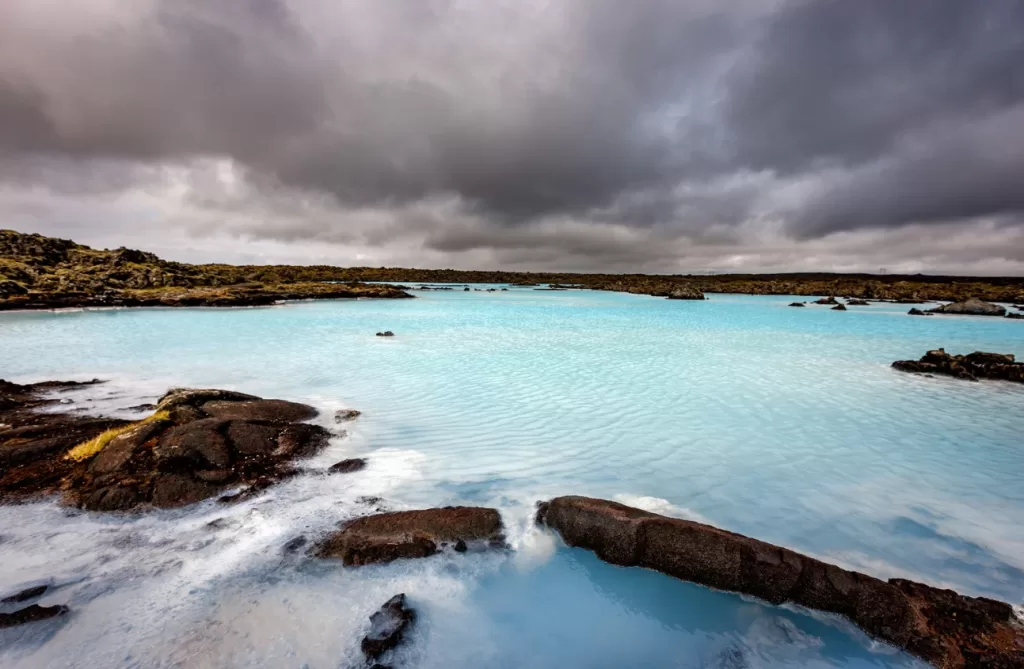
After landing at Keflavík International Airport, pick up your rental car and ease into your Iceland adventure. If you’re arriving on a morning or early afternoon flight, stop at the Blue Lagoon on your way to Reykjavik. Soaking in warm geothermal water surrounded by lava fields is an ideal way to shake off jet lag and transition into Iceland’s slower pace.
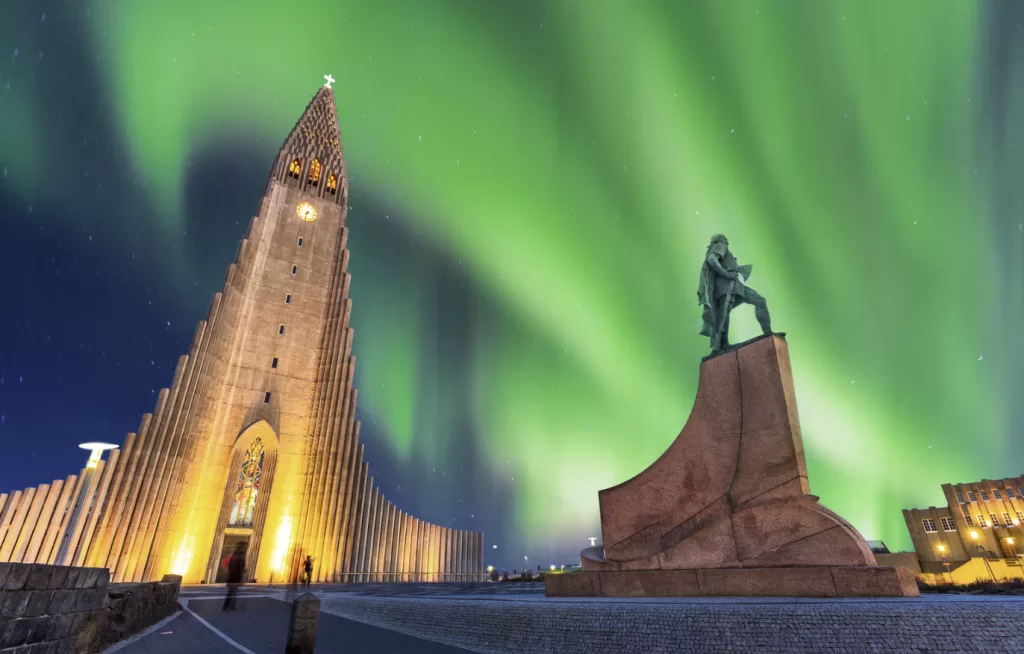
Afterward, drive to Reykjavik and check into your hotel. Spend the evening exploring the compact city center on foot. Walk along the harbor, visit Hallgrímskirkja, and enjoy your first Icelandic meal at a casual local restaurant. Keep the evening relaxed—tomorrow begins your adventure in earnest.
Day 2: Golden Circle & First Adventure Experience
Start early and head out on the Golden Circle, Iceland’s most famous sightseeing route. Begin at Þingvellir National Park, where you can walk between the North American and Eurasian tectonic plates on well-marked paths. This stop combines natural beauty with historical significance and requires minimal physical effort.
Continue to the Geysir geothermal area, where Strokkur erupts every few minutes, followed by a stop at the powerful Gullfoss waterfall. After lunch, add your first adventure activity—either a glacier hike, snowmobiling tour, or a soak at the Secret Lagoon for a more relaxed option.
Return to Reykjavik in the evening or stay overnight along the Golden Circle to shorten drive times.
Day 3: South Coast Waterfalls & Black Sand Beach
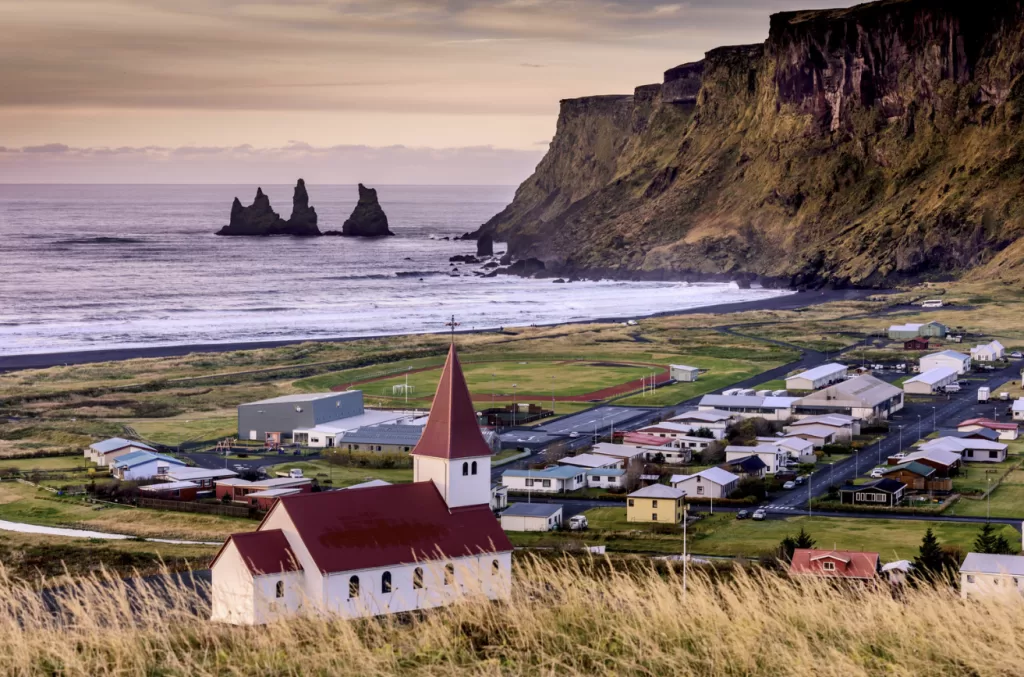
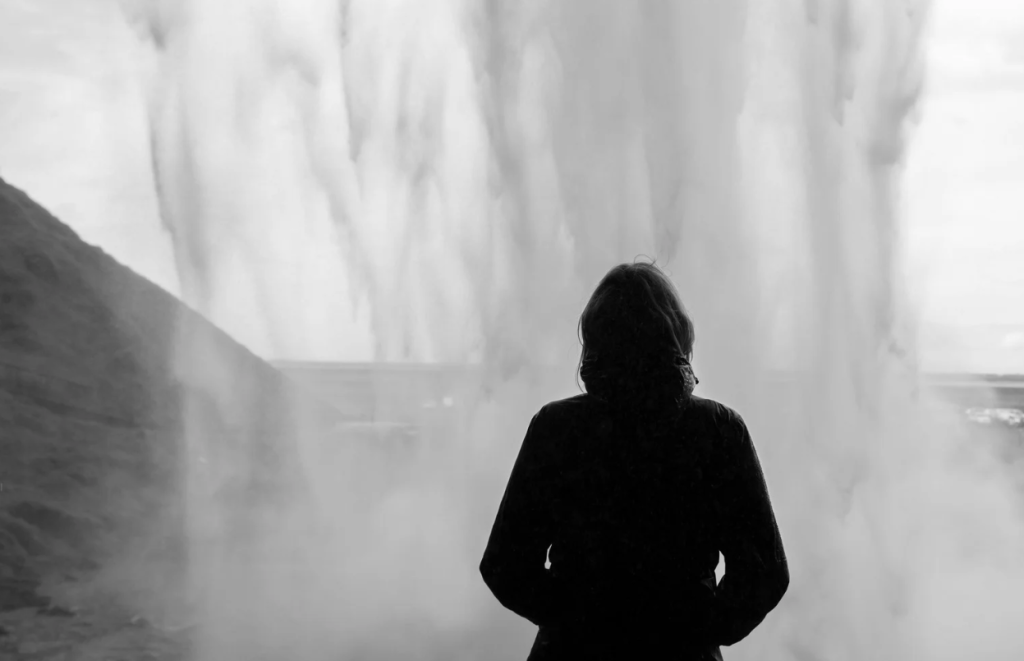
Drive east along the Ring Road to explore Iceland’s dramatic South Coast. Your first major stop is Seljalandsfoss, where you can walk behind the waterfall for a unique perspective. Just nearby is Gljúfrabúi, a partially hidden waterfall tucked inside a canyon.
Continue to Skógafoss, one of Iceland’s most iconic waterfalls. If you’re feeling energetic, climb the staircase to the top for sweeping coastal views. From there, drive to Reynisfjara black sand beach near Vík, known for its basalt columns and crashing Atlantic waves.
End the day in or near Vík, positioning yourself well for the next day’s glacier scenery.
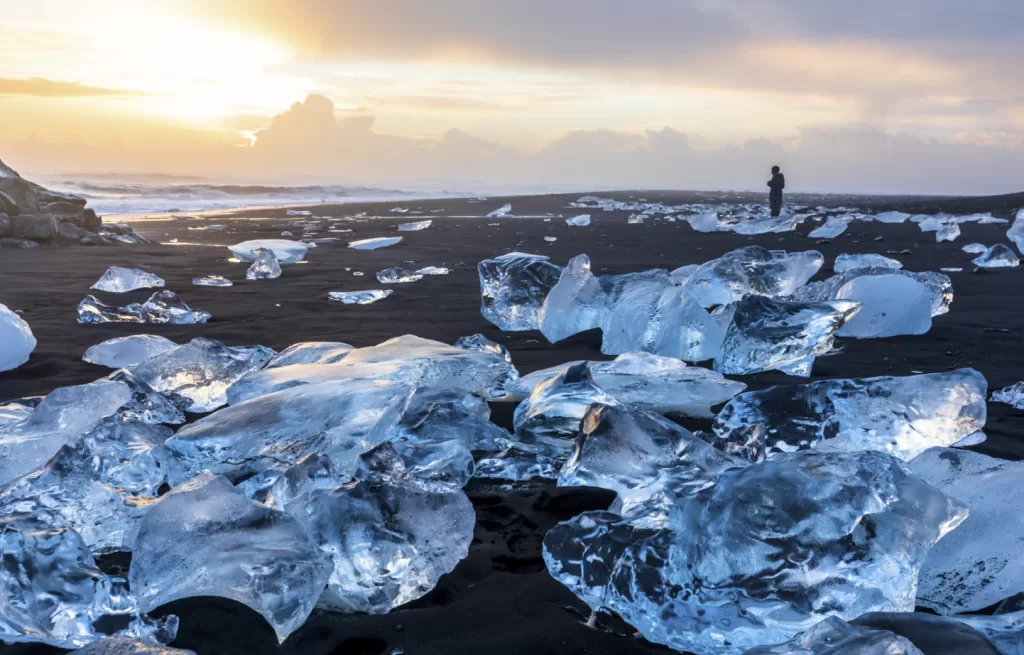
Day 4: Glacier Lagoon, Diamond Beach & Ice Adventures
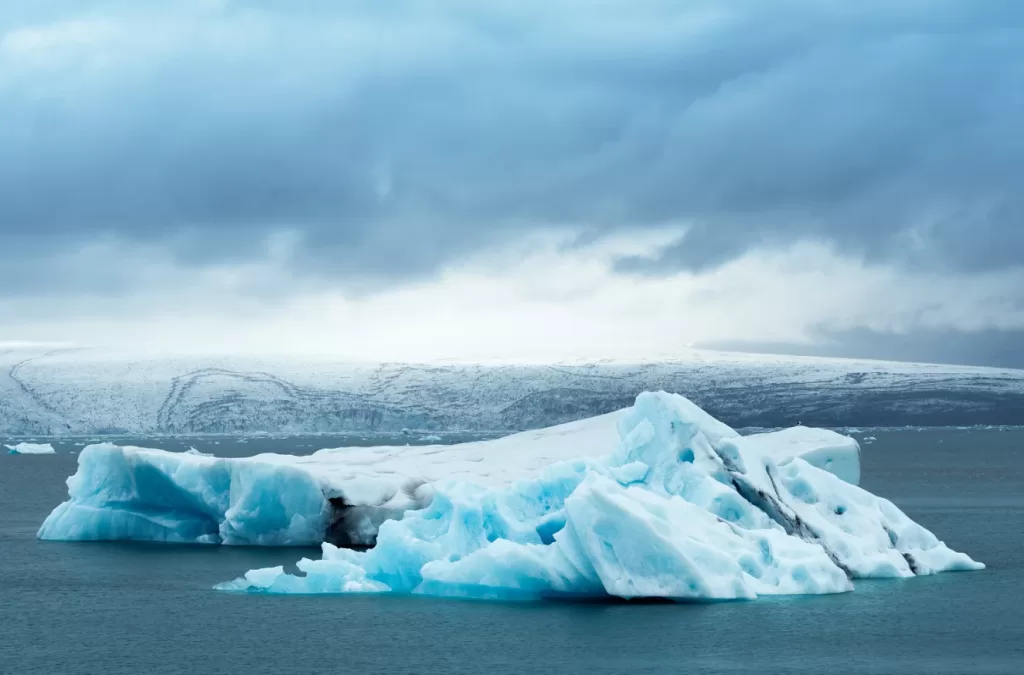
Today features some of Iceland’s most unforgettable scenery. Drive to Jökulsárlón Glacier Lagoon, where massive icebergs drift across a glacial lake. Consider booking a boat tour to get up close to the ice formations and seals that often lounge on them.
Across the road, explore Diamond Beach, where chunks of glacier ice wash ashore on black sand. The contrast is striking and ever-changing.
In winter, this is the ideal day for an ice cave tour, which departs from the glacier lagoon area. In summer, substitute with a glacier hike or time in Skaftafell Nature Reserve, including the hike to Svartifoss.
Overnight in the Vík area or continue east, depending on your comfort level with driving.
Day 5: Flexible Exploration or Weather Buffer Day
This day is intentionally open. Use it to revisit favorite locations, slow down, or adjust for weather disruptions. You might explore more of Skaftafell, return west with additional waterfall stops, or enjoy a quieter day in Vík with scenic walks and cafés.
If weather conditions are excellent and you feel confident, this is also a good opportunity to explore less-visited coastal areas or take a short guided activity you skipped earlier.
Flexibility here often leads to some of the most memorable moments of the trip.
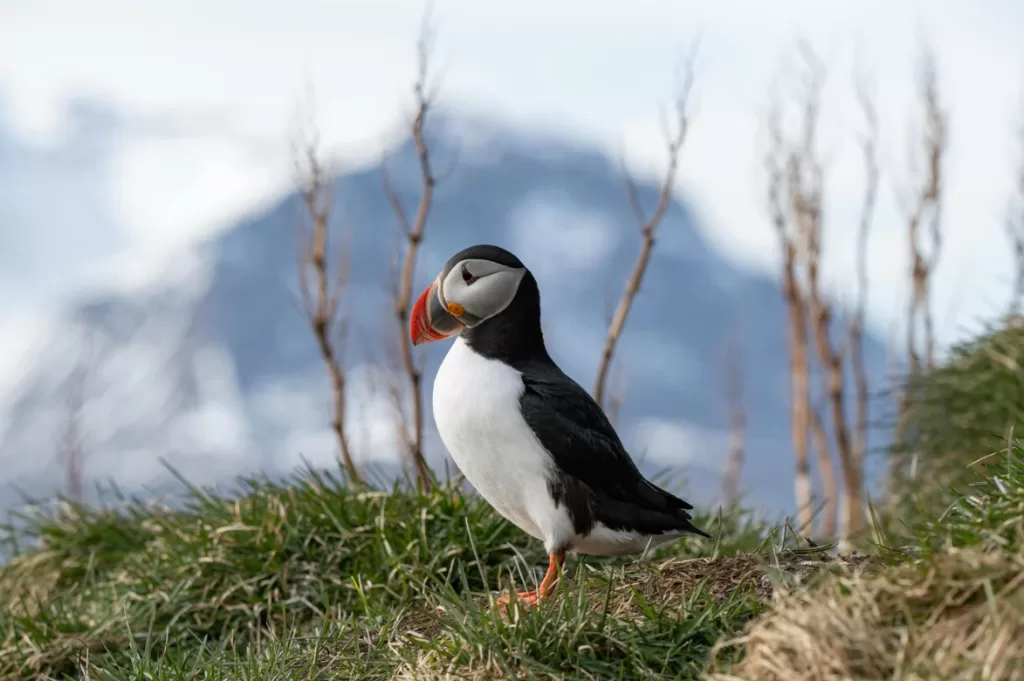
Day 6: Snæfellsnes Peninsula or Northern Lights Focus
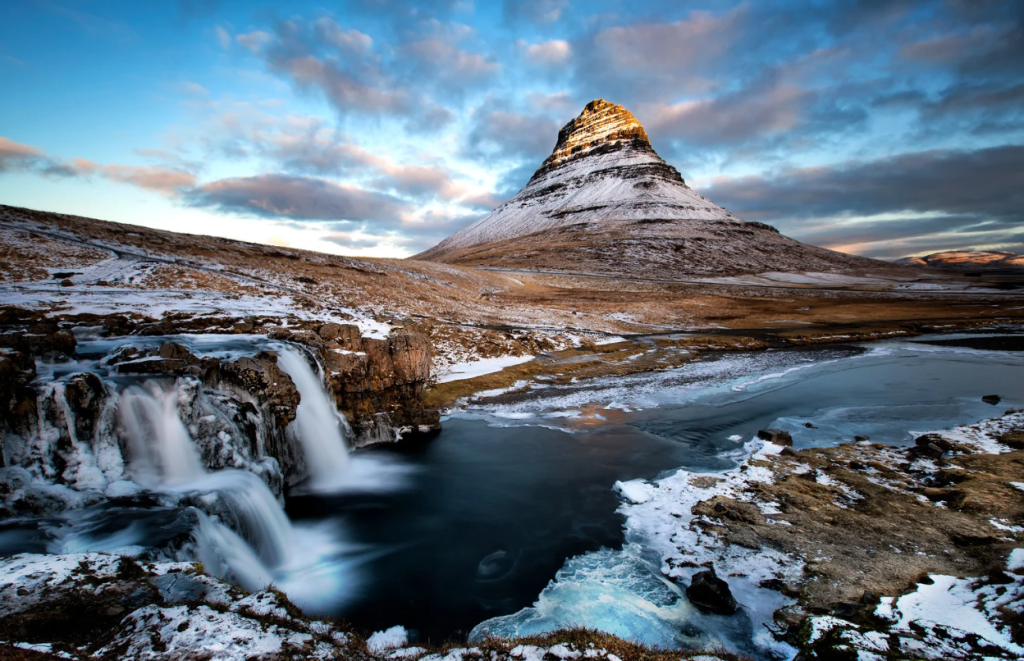
Return toward Reykjavik and head to the Snæfellsnes Peninsula, often called “Iceland in Miniature.” In one day, you’ll encounter fishing villages, lava fields, dramatic cliffs, black beaches, and the iconic Kirkjufell mountain.
Stops like Arnarstapi, Djúpalónssandur, and Saxhóll crater offer easy walks and varied scenery, making this region ideal for beginner adventurers.
If visiting in winter, you may instead use this day for a guided Northern Lights tour or self-guided aurora chasing away from city lights.
Day 7: Reykjavik & Departure
Spend your final morning enjoying Reykjavik at a relaxed pace. Visit Perlan for interactive exhibits on Iceland’s glaciers and volcanoes, shop along Laugavegur, or unwind at a local swimming pool to experience everyday Icelandic culture.
If your flight departs later in the day, you can fit in a final scenic stop before returning your rental car and heading to the airport—leaving Iceland with a deeper appreciation for adventure travel that feels achievable, not overwhelming.
Why This Itinerary Works for Beginners
This itinerary avoids long backtracking, limits daily driving stress, and focuses on regions with the highest reward-to-effort ratio. It leaves room for weather, fatigue, and spontaneous discoveries—key elements of a successful Iceland adventure.
For first-time adventure travelers, this balance of structure and flexibility is what turns a good trip into an unforgettable one.
Practical Tips for Planning Your Iceland Adventure
Tours vs. Independent Travel
Some activities—glacier hikes, ice caves, Silfra snorkeling—require guides. Others, like waterfalls and scenic drives, are ideal for self-driving.
Renting a Car in Iceland
A 2WD vehicle is sufficient for summer travel along the Ring Road. Choose 4WD for winter or gravel-road flexibility. Avoid F-roads unless you’re in a proper 4WD and experienced.
Packing for Iceland Weather
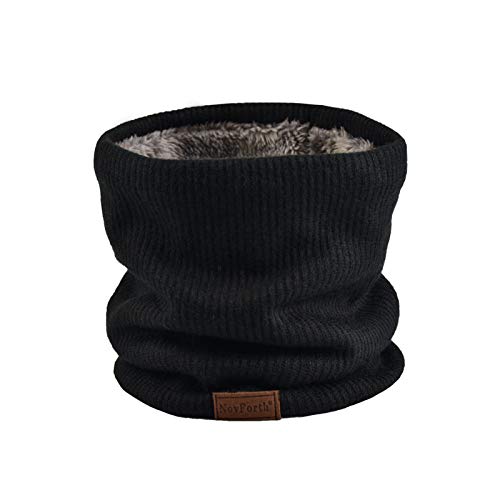
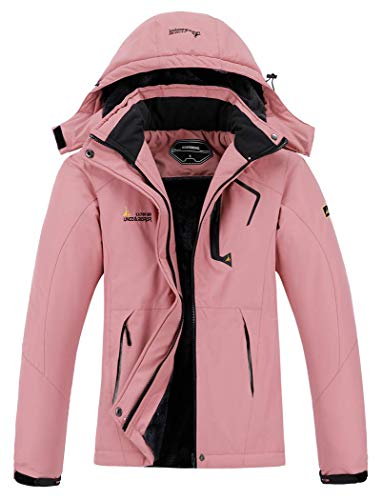
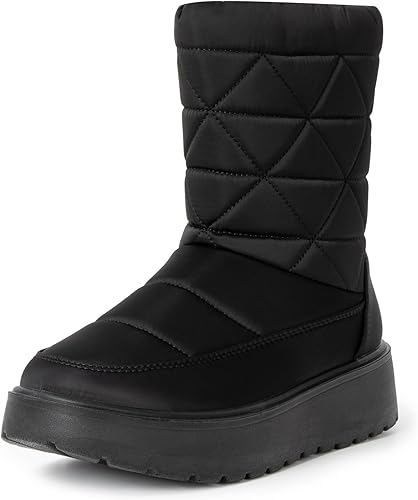
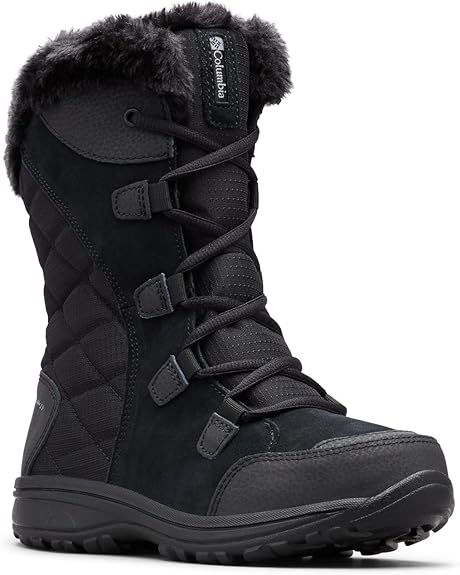
Layering is essential. Waterproof outerwear, non-cotton base layers, sturdy hiking boots, and rain gear are non-negotiable. Iceland weather changes quickly.
Budget Expectations
Iceland is expensive. Balance costs by grocery shopping, prioritizing key tours, and mixing paid experiences with free natural attractions.
Safety Essentials
Check weather and road conditions daily. Stay on marked trails. Respect closures. Download offline maps and emergency apps.
Common Mistakes First-Time Iceland Adventurers Make
Supporting keywords: Iceland travel mistakes, what not to do in Iceland
- Underestimating driving times
- Overpacking the itinerary
- Ignoring weather warnings
- Wearing cotton clothing
- Skipping travel insurance
- Attempting F-roads without proper vehicles
- Stepping off marked trails
Each mistake is avoidable with planning, flexibility, and respect for Iceland’s environment.
Final Thoughts
One aspect many first-time adventure travelers underestimate in Iceland is the mental side of adventure travel. Iceland rewards patience and adaptability more than rigid planning. Weather may force you to change routes, delay tours, or completely flip your itinerary—and that flexibility is part of the experience. Travelers who embrace this mindset often have the best trips, discovering unexpected viewpoints, quieter locations, or slower moments that feel more meaningful than any checklist attraction.
It’s also worth understanding Iceland’s strong emphasis on sustainable tourism and environmental responsibility. Much of the landscape is fragile, particularly moss-covered lava fields that can take decades to recover from a single footprint. Staying on marked trails, respecting rope barriers, and following Leave No Trace principles isn’t just encouraged—it’s essential. Supporting local tour operators, choosing accommodations with sustainability initiatives, and using reusable water bottles all help protect the landscapes that make Iceland such a remarkable adventure destination.
Finally, beginners often worry that Iceland’s most famous places will feel “too touristy,” but timing and perspective make a significant difference. Visiting early in the morning or later in the evening, especially during summer’s long daylight hours, can completely transform popular sites. Even at well-known locations, changing light, weather, and seasons ensure no two experiences are the same. Iceland isn’t about finding untouched places—it’s about experiencing iconic landscapes in a way that feels personal, intentional, and deeply memorable.
Conclusion: Why Iceland Is the Ideal First Adventure Destination
Iceland proves that adventure travel doesn’t have to be extreme to be transformative. With professional guides, accessible landscapes, and unmatched natural beauty, it’s one of the best places in the world to step outside your comfort zone—without going too far.
If you’ve ever wanted to feel like an explorer without feeling overwhelmed, Iceland is where your adventure journey should begin.