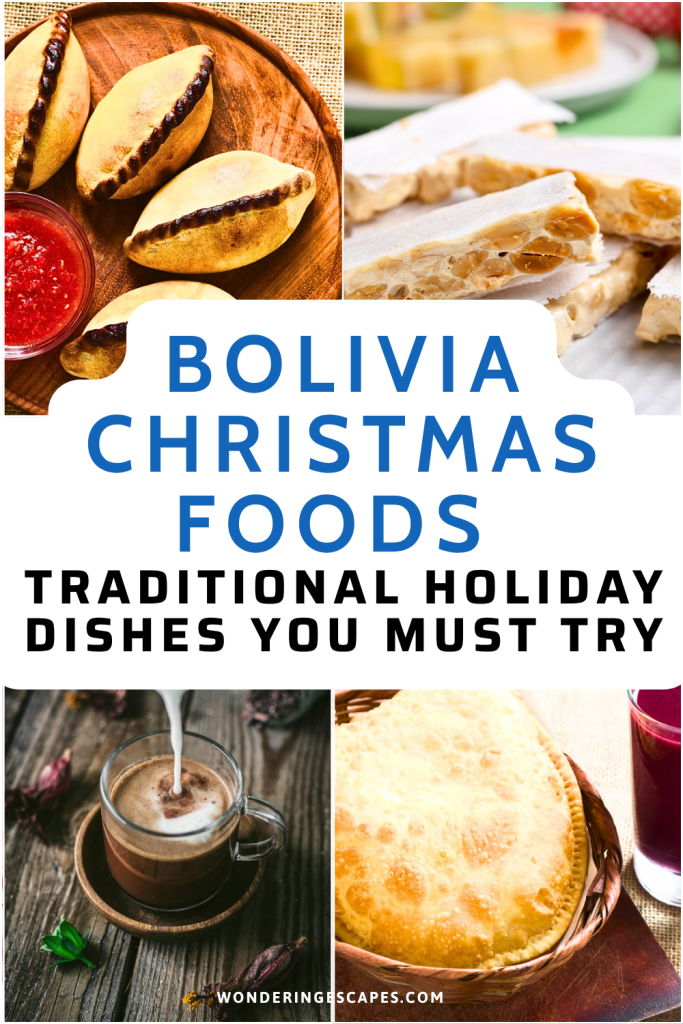
Bolivia Christmas Foods: Amazing Traditional Holiday Dishes You Must Try
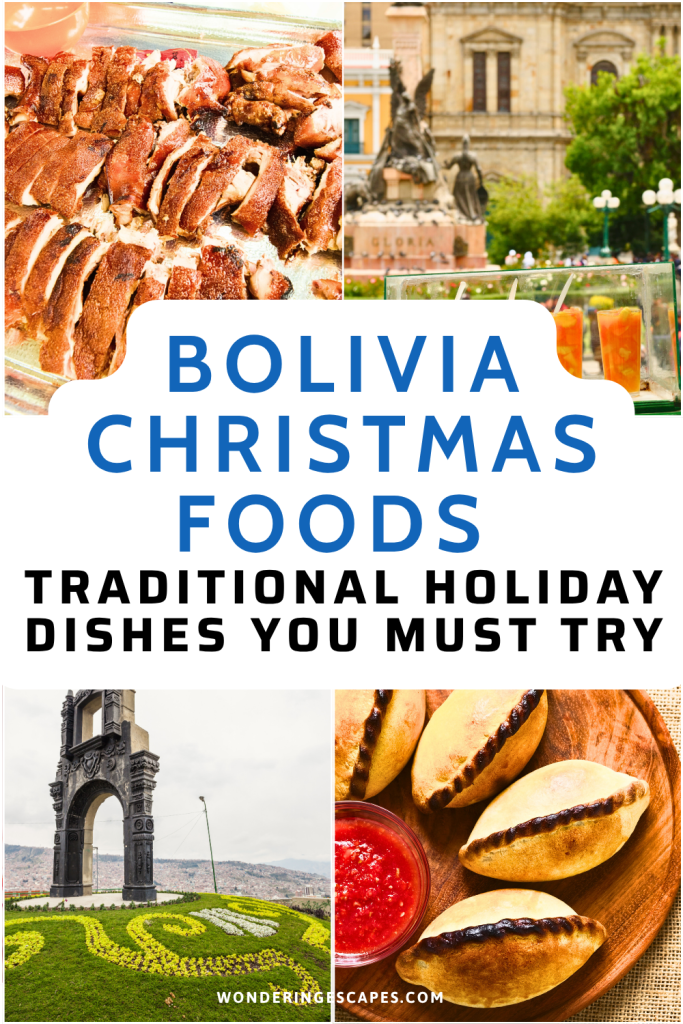
You may also like this:
15 Amazing Romanian Desserts You Must Try




Did you know that Bolivians celebrate Christmas with a hearty three-meat stew called picana that takes hours to prepare and brings entire families together on Christmas Eve? While many countries have their own holiday food traditions, Bolivia’s Christmas cuisine offers a unique blend of indigenous ingredients, Spanish colonial influences, and high-altitude cooking techniques that create unforgettable festive flavors.
If you’re curious about South American holiday traditions or planning to experience Christmas in Bolivia, understanding the country’s traditional Christmas foods gives you a window into its rich cultural heritage. From the famous picana served after Midnight Mass to the sweet buñuelos enjoyed on Christmas morning, Bolivia Christmas foods tell the story of a nation that celebrates with warmth, family, and incredible culinary diversity.






What Makes Bolivia Christmas Foods Special?
Bolivia Christmas foods blend centuries of cultural heritage into unforgettable holiday flavors. The country’s unique position in South America creates a distinctive Bolivian cuisine unlike any other Latin American countries.
Indigenous traditions form the foundation. Native ingredients like quinoa, potatoes, and corn appear in every traditional meal. Spanish colonial influences added meat-heavy dishes and sweet bread recipes. This fusion creates the authentic Bolivian Christmas cuisine families treasure today.
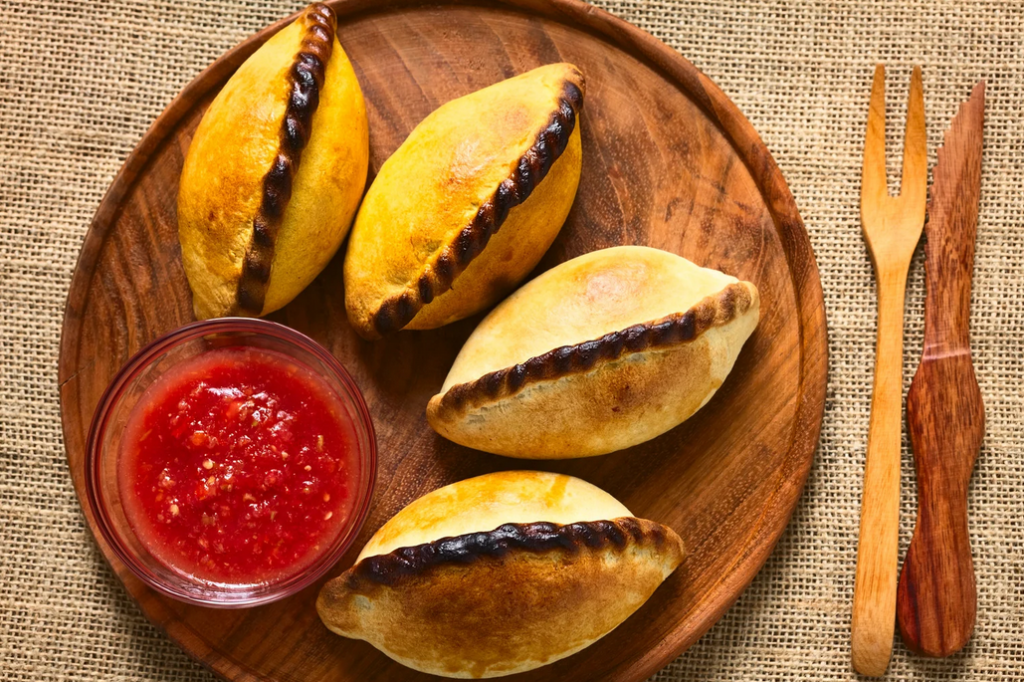
Altitude shapes everything. High-altitude cooking in La Paz requires longer preparation times. Lower regions like Santa Cruz favor tropical ingredients and faster cooking methods. Each Bolivian tradition adapts to local conditions while maintaining core recipes.
Family gatherings center around food preparation. Family members spend days preparing the main Christmas meal together. Grandmothers teach traditional recipes. Children help with simple tasks. This communal cooking strengthens Bolivian homes during the festive season.
Religious significance connects food to faith. The traditional Christmas meal follows Midnight Mass on December 24th. Roman Catholic traditions influence timing and preparation. Food becomes both nourishment and spiritual celebration.
Bolivia Christmas foods differ from neighboring countries through unique spice combinations and cooking techniques. While other regions might serve similar ingredients, Bolivian preparation methods create distinct flavors that define the Christmas tradition.
Bolivia Christmas Foods
| Food Item | Type | Main Ingredients | When Served | Cultural Significance |
|---|---|---|---|---|
| Picana | Main Dish/Stew | Chicken, beef, pork, potatoes, corn, wine | Christmas Eve after Midnight Mass | Most important traditional Christmas dish; brings the whole family together. |
| Buñuelos | Dessert | Wheat flour, eggs, sugar (fried dough balls) | Christmas morning | Sweet treat paired with hot chocolate; family preparation tradition. |
| Lechón al Horno | Main Dish | Roasted pork with traditional spices | Christmas Eve feast | Centerpiece meat dish for Noche Buena celebration. |
| Sweet Bread | Baked Good | Flour, sugar, local fruits/nuts | Throughout Christmas season | Regional variations; wood-fired ovens in rural areas. |
| Turrón | Candy/Dessert | Nougat with almonds, honey, local nuts | Christmas celebrations | Regional variations; Santa Cruz uses tropical elements. |
| Hot Chocolate | Beverage | High-quality cocoa, traditional spices | Christmas morning & throughout | Essential warming drink; accompanies most desserts. |
| Sopaipillas | Pastry | Fried pastry dough | Christmas celebrations | Street vendor favorite; large family batches. |
| Jakhoilisa | Cookie/Biscuit | Quinoa flour, traditional ingredients | Christmas time | Indigenous tradition honoring Mother Earth. |
| Traditional Potato Salad | Side Dish | Native potato varieties, local seasonings | Christmas Eve feast | Complement to roasted meats; uses Bolivia’s native potatoes. |
| Roast Turkey/Beef | Main Dish | Turkey or beef with regional spices | Christmas Eve dinner | Alternative to pork; varies by family preference and region. |
Picana – Bolivia’s Iconic Christmas Stew
Picana represents the heart of Bolivia Christmas foods. This traditional soup brings whole family together after Misa de Gallo (Mass of the Rooster) on Christmas Eve.
Three meats define authentic picana. Medium chicken, roast beef, and roast pork simmer together for hours. Some various regions substitute roast turkey or local meat options. The very traditional Bolivian meal requires patience and careful timing.
Large potatoes anchor the stew’s heartiness. Sweet potatoes add natural sweetness. Fresh corn, carrots, and turnips complete the vegetable base. Each ingredient must cook perfectly without falling apart.
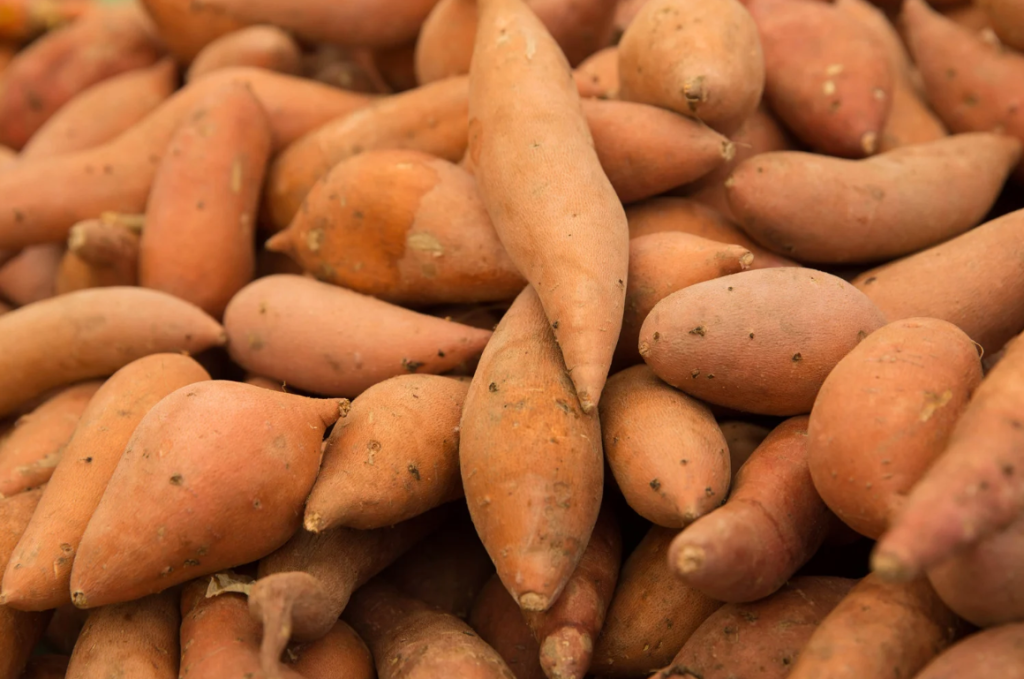
Preparation starts early. Many Bolivian homes begin cooking Christmas morning or even the next day before Christmas Eve. The slow-cooking process can’t be rushed. Modern families sometimes use a pressure cooker to reduce cooking time while maintaining authentic flavors.
Wine and spices create the signature taste. Local wine adds depth and richness. Traditional seasonings include bay leaves, black pepper, and regional spices. Street vendors in large towns often sell pre-mixed spice packets during the holiday season.
Serving tradition matters greatly. Families gather around the table after returning from church services. Hot chocolate often accompanies the meal. The Christmas tradition emphasizes sharing this popular dish while Christmas carols play softly in Bolivian homes.
Traditional Bolivia Christmas Desserts and Sweet Treats
Bolivia Christmas foods extend beyond savory dishes into delightful traditional desserts. Christmas morning begins with sweet treats that complement hot chocolate perfectly.
Buñuelos dominate Bolivian Christmas dessert tables. These fried dough balls require wheat flour, eggs, and sugar. Family members often gather early on Christmas Day to prepare fresh batches. The golden spheres pair beautifully with thick hot chocolate or coffee.
Sweet bread varieties fill Bolivian homes with festive aromas. Traditional recipes passed through generations use local ingredients. Some families add dried fruits or nuts. Rural areas often bake bread in wood-fired ovens, creating unique smoky flavors.
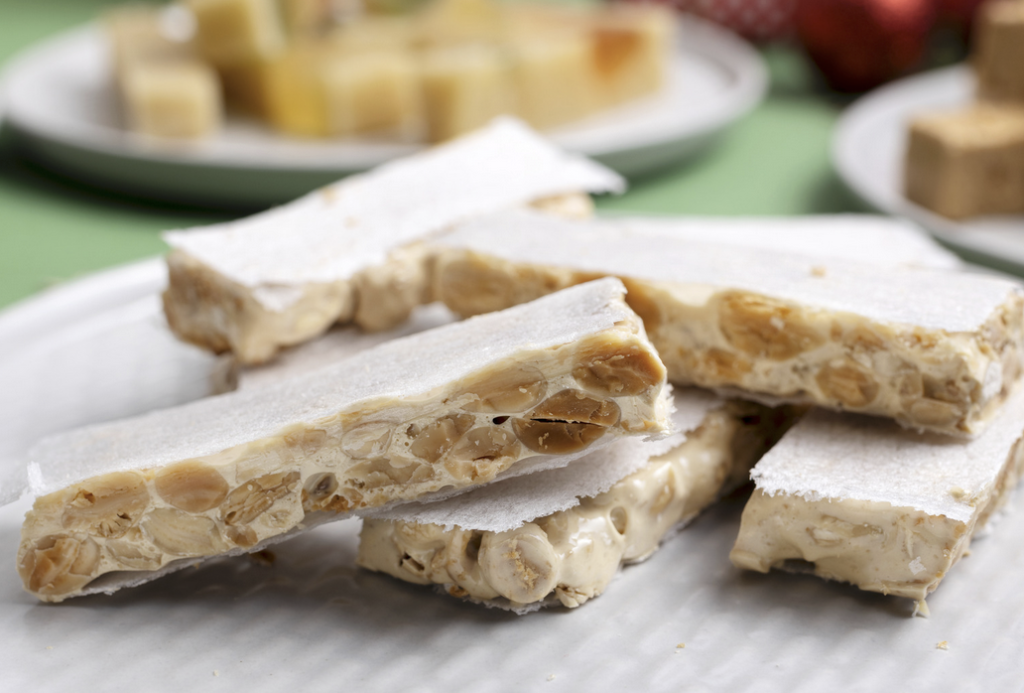
Turrón offers Bolivia’s version of nougat candy. Various regions create different flavors using local nuts and honey. Santa Cruz versions often include tropical elements. La Paz families prefer traditional almond and sugar combinations.
Sopaipillas provide another beloved Christmas tradition. These fried pastries require careful oil temperature control. Street vendors sell them throughout the holiday season. Families often make large batches for Christmas celebrations.
Indigenous traditions contribute unique sweets. Jakhoilisa quinoa biscuits honor Mother Earth while providing nutritious treats. These traditional foods connect modern celebrations to ancestral customs.
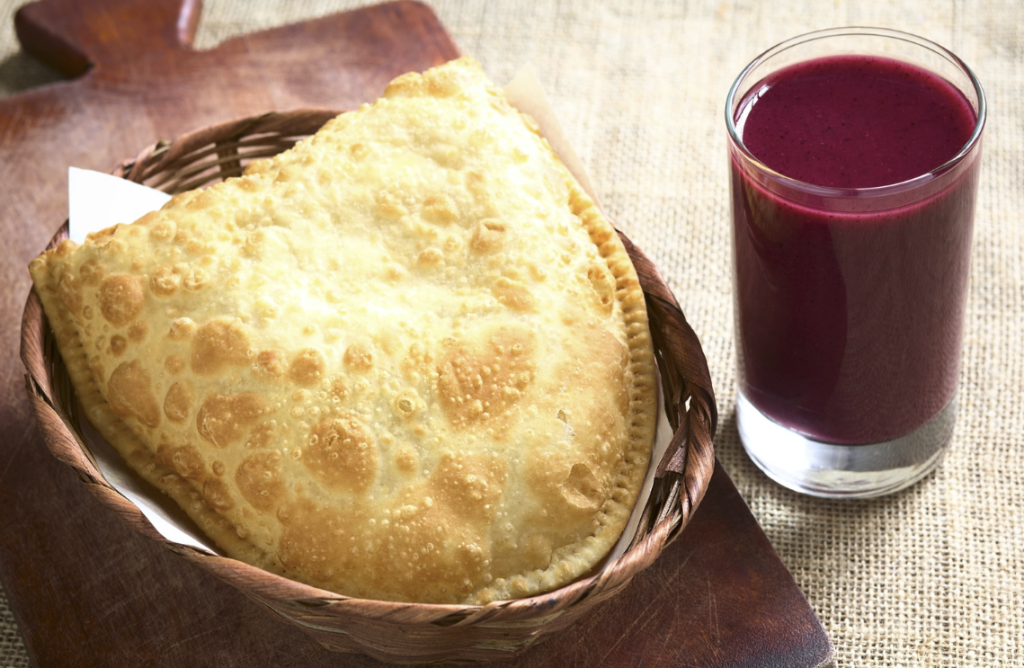
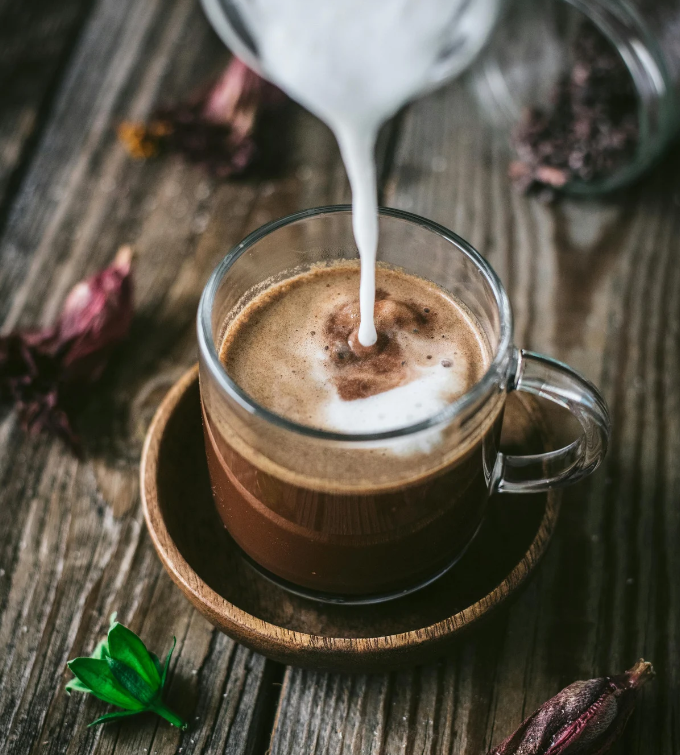
Hot chocolate accompanies most desserts. Bolivian hot chocolate uses high-quality cocoa and traditional spices. This warming drink becomes essential during Christmas time in highland regions.
Christmas Eve Feast: Complete Traditional Menu
Noche Buena represents the most important feast in Bolivian Christmas cuisine. The traditional Christmas dinner follows Midnight Mass and continues into Christmas morning.
Roasted meats anchor the festive table. Lechón al horno (roasted pork) takes center stage in many Bolivian homes. Roast beef and roast turkey provide alternatives for larger families. Some regions prefer roast suckling pig for special occasions.
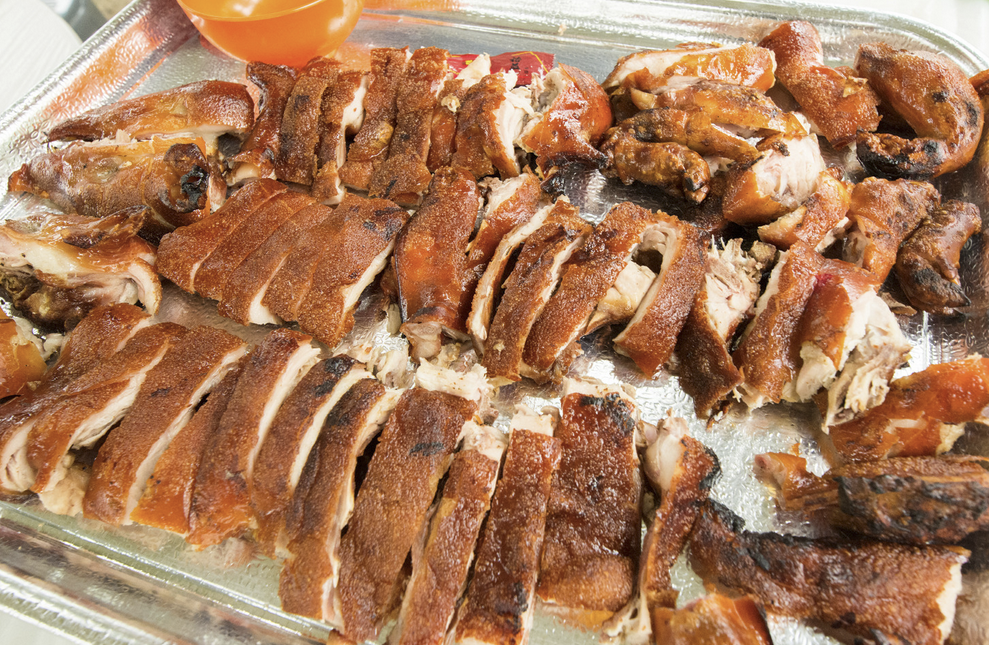
Traditional dishes fill the remaining table space. Potato salad made with native varieties appears at most gatherings. Rice preparations complement the meat courses. Sweet potatoes roasted with local spices add natural sweetness to the meal.
Timing requires careful planning. Family members coordinate preparation to serve everything hot after returning from church services. The main Christmas meal typically begins around 1 AM on Christmas Day.
Beverages include both alcoholic and non-alcoholic options. Hot chocolate warms guests during cool highland evenings. Traditional chicha provides fermented refreshment. Some families serve imported wines for special toasts.
Table setting reflects Roman Catholic influence. Many families include small religious decorations alongside Christmas trees. Large nativity scenes often occupy prominent positions in metropolitan areas.
Family gatherings extend beyond immediate relatives. People exchange food gifts with neighbors. This Christmas tradition strengthens community bonds throughout Bolivia Christmas celebrations.
Regional Variations of Bolivia Christmas Foods
Bolivia Christmas foods vary dramatically across various regions. Geographic diversity creates distinct traditional dishes that reflect local ingredients and cultural influences.
Santa Cruz lowland cuisine emphasizes tropical elements. Christmas celebrations feature fresh fruits and lighter preparations. Roast pork often includes tropical marinades. Sweet bread recipes incorporate local fruits and coconut. The warmer climate allows for different cooking techniques compared to highland regions.
La Paz highland traditions focus on hearty, warming foods. Traditional Christmas meal preparations require longer cooking times due to altitude. Large potatoes native to the region dominate holiday tables. Hot chocolate becomes essential during cold Christmas time temperatures in metropolitan areas.
Rural areas maintain the most authentic indigenous traditions. Remote communities preserve ancient cooking methods passed through generations. Traditional foods often include ingredients foraged from surrounding landscapes. Mother Earth reverence influences ingredient selection and preparation timing.
Large towns blend traditional and modern approaches. Family gatherings might include both ancestral recipes and contemporary adaptations. Street vendors offer regional specialties during the festive season. Urban families often travel to rural areas to source authentic ingredients.
Bolivian tradition adapts to available resources. Coastal-influenced regions incorporate different spices. Mountain communities rely on preserved ingredients. Each area’s Christmas tradition reflects its unique environment while maintaining core Bolivian Christmas identity.
How to Cook Bolivia Christmas Foods at Home
Bolivia Christmas foods become accessible with proper planning and ingredient sourcing. Home cooks worldwide can recreate traditional dishes using available substitutions and techniques.
Essential ingredients require advance planning. Wheat flour, large potatoes, and quality meats form the foundation. Sweet potatoes and corn provide authentic flavors. Many grocery items substitute for hard-to-find Bolivian ingredients without compromising taste significantly.
Timeline planning ensures success. Traditional Christmas meal preparation spans multiple days. Start medium chicken marination two days before Christmas Eve. Begin roast beef seasoning the next day. Sweet bread dough benefits from overnight rising.
Kitchen equipment needs remain minimal. Most Bolivian homes use basic cooking tools. A pressure cooker reduces cooking time for busy families. Large pots accommodate family gatherings. Standard ovens work perfectly for lechón al horno preparation.
Substitution strategies help international cooks. Replace unavailable Bolivian peppers with similar heat levels. Orange juice can substitute for certain acidic ingredients. Local wine varieties work in place of Bolivian selections.
Make-ahead techniques reduce Christmas Eve stress. Prepare spice mixtures weeks early. Traditional soup bases freeze well. Hot chocolate mix stores indefinitely. This advance preparation allows family members to focus on final assembly during Christmas celebrations.
Storage methods preserve leftovers safely. Most traditional foods refrigerate well for several days. Christmas morning often features reheated feast remnants.
Shopping Guide: Ingredients for Bolivia Christmas Foods
Bolivia Christmas foods require specific ingredients that create authentic flavors. Smart shopping strategies help home cooks source quality items for traditional dishes.
Meat selection forms the foundation of most Bolivian Christmas meals. Choose medium chicken with good marbling for tenderness. Roast beef cuts should include some fat for flavor development. Roast pork shoulder works better than lean cuts for lechón al horno preparation.
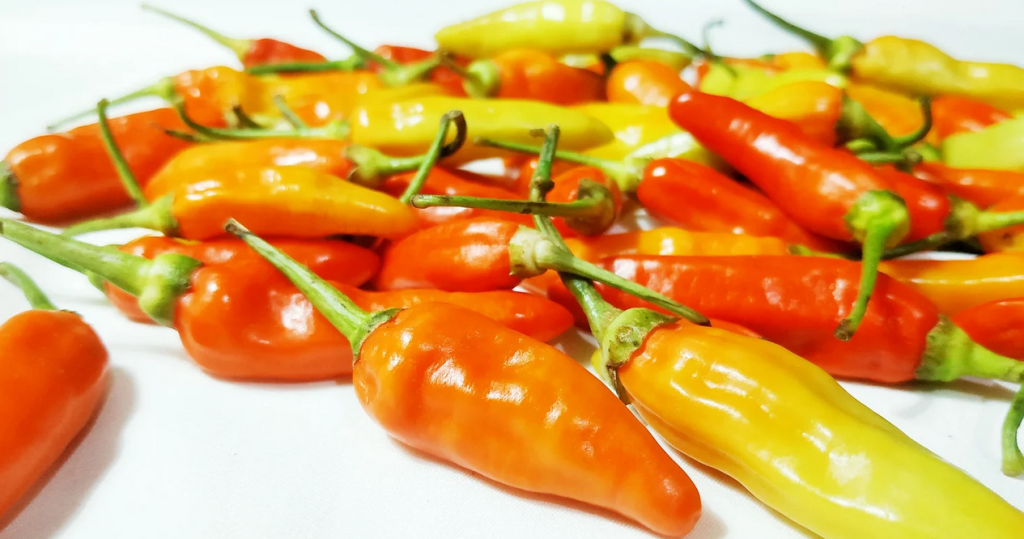
Specialty spices define authentic Bolivian cuisine. Ají amarillo peppers provide essential heat and flavor. Locoto peppers add distinctive Bolivian character. Many grocery items now include international spice sections. Online retailers offer hard-to-find seasonings year-round.
Potato varieties matter significantly. Large potatoes with waxy texture hold up during long cooking. Sweet potatoes should be firm and unblemished. Various regions prefer different potato types, but standard varieties work for home cooking.
International sourcing opens authentic options. Latin American markets stock Bolivian specialties during Christmas time. Large towns often have specialty import stores. United States metropolitan areas feature South American ingredients increasingly.
Budget considerations help families plan effectively. Traditional Christmas meal ingredients cost varies by region. Family members can share shopping responsibilities. Buy non-perishable items weeks before Christmas Eve. Fresh ingredients require next day shopping for optimal quality.
Storage tips preserve ingredient freshness. Spices maintain potency in airtight containers. Wheat flour stores well in cool, dry conditions.
Bolivia Christmas Food Traditions and Customs
Bolivia Christmas foods connect deeply with cultural customs that strengthen family gatherings and community bonds. These traditional foods carry meaning beyond simple nourishment.
Family roles define preparation responsibilities. Grandmothers guide traditional meal planning and share ancestral recipes. Family members divide cooking tasks based on skill and tradition. Children learn by observing and helping with simple preparations.
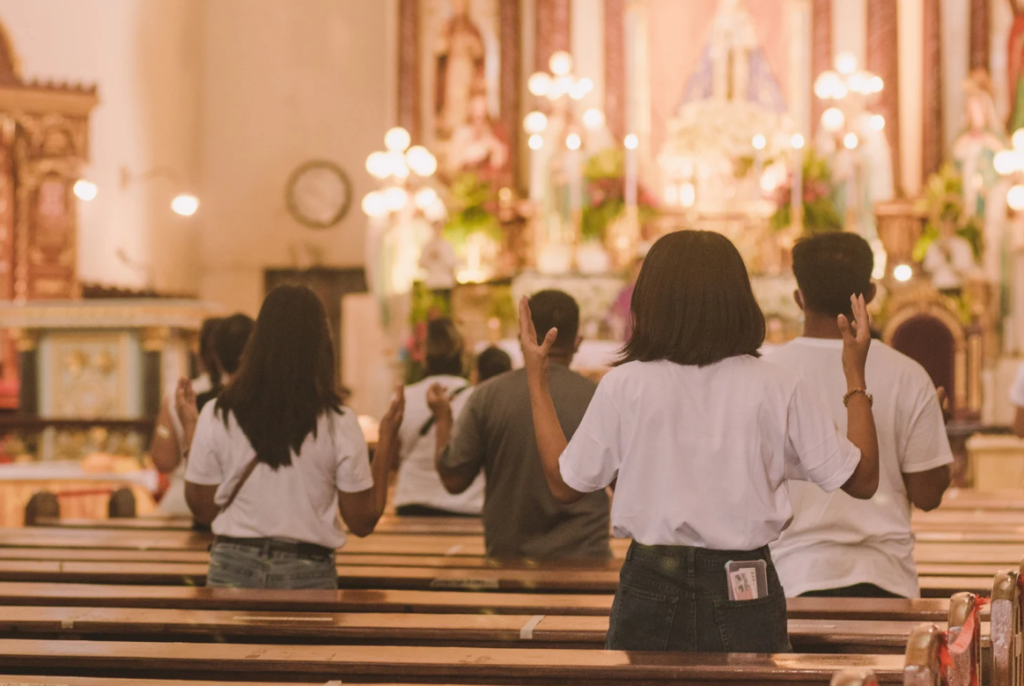
Religious customs shape meal timing and significance. Midnight Mass attendance precedes the main Christmas meal. Many families offer food blessings before eating. Roman Catholic traditions influence ingredient choices and preparation methods. Church services schedule affects serving times.
Gift-giving traditions often involve food exchanges. Bolivian homes prepare extra traditional dishes for neighbors. People exchange homemade sweet bread and desserts. Christmas celebrations include sharing recipes and cooking techniques between families.
Communal preparation builds social connections. Large towns organize community cooking events. Rural areas maintain collective preparation traditions. Street vendors participate by supplying specialty ingredients. These customs strengthen neighborhood bonds during the festive season.
Generational transmission preserves authentic methods. Elder family members teach younger generations during Christmas time. Indigenous traditions pass through hands-on learning. Written recipes often omit crucial techniques that require direct instruction.
Seasonal timing follows traditional calendars. Preparation begins weeks before December 24th. New Year’s Eve extends holiday food traditions. Christmas morning continues feast remnants. This extended celebration reinforces Bolivian tradition throughout the holiday season.
Conclusion
Bolivia Christmas foods represent more than just holiday meals—they’re a celebration of family, faith, and cultural heritage that has been passed down through generations. From the rich, warming picana stew that brings families together on Christmas Eve to the sweet buñuelos that start Christmas morning with joy, these traditional dishes create lasting memories and connect Bolivians to their roots no matter where they are in the world.
Ready to bring Bolivian Christmas magic to your own table? Start with the traditional picana recipe and gradually explore other festive dishes. Your family will discover new flavors while creating their own holiday traditions inspired by one of South America’s most vibrant food cultures.
Try making authentic picana this Christmas season and share your experience with Bolivia’s incredible holiday food traditions!