Darecations: The Ultimate Guide to Adventure Travel in 2026 (Ditch the Beach Chair)

You may also like this:
Did you know that 73% of millennial and Gen Z travelers now prioritize “unique experiences” over traditional relaxation vacations? The beach chair is officially out—and the era of “darecations” is here.
If you’ve ever returned from a vacation feeling like you need another vacation just to recover from doing… nothing, you’re not alone. In 2026, a new wave of travelers is rewriting the rules of what a getaway should look like. Forget passive sunbathing and predictable itineraries. Today’s adventurers are seeking heart-pounding, story-worthy experiences that push boundaries and create lifelong memories.


Welcome to the world of darecations—a travel revolution where the journey is just as thrilling as the destination. Whether it’s scaling remote peaks, diving with sharks, or paragliding over volcanic landscapes, darecations are for those who believe vacation time is too precious to spend sitting still.
In this guide, we’ll explore what darecations are, why they’re taking over the travel industry, and how you can plan your own adventure-packed escape in 2026 and beyond.
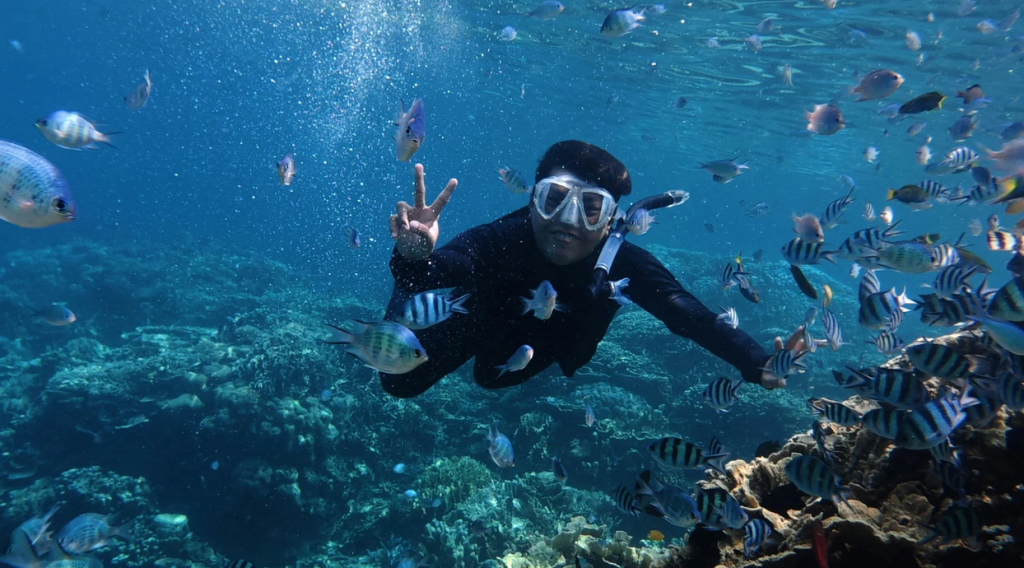
What Are Darecations? Defining the Adventure Travel Movement
The term “darecation” is exactly what it sounds like: a dare meets a vacation. It’s a portmanteau that captures the essence of a growing travel philosophy—one that prioritizes adrenaline, challenge, and authentic experiences over passive relaxation.
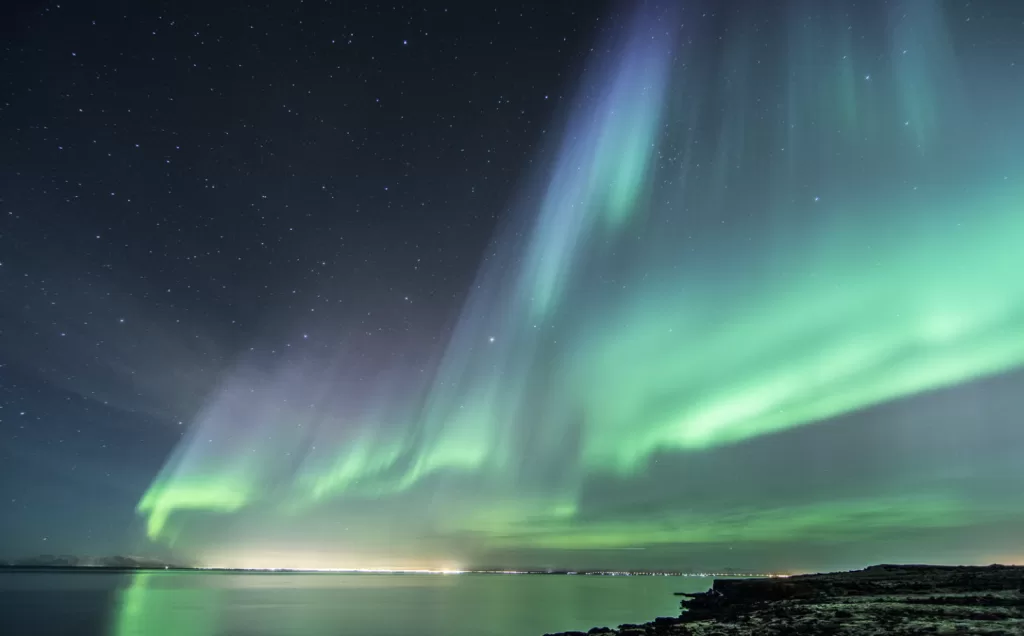
But darecations aren’t just about being reckless or seeking danger for its own sake. They represent a fundamental shift in how people view their precious time off. Instead of lounging poolside with a frozen drink, darecationers are rappelling down waterfalls, trekking through jungles, learning to surf in remote breaks, or camping under the northern lights in sub-zero temperatures.
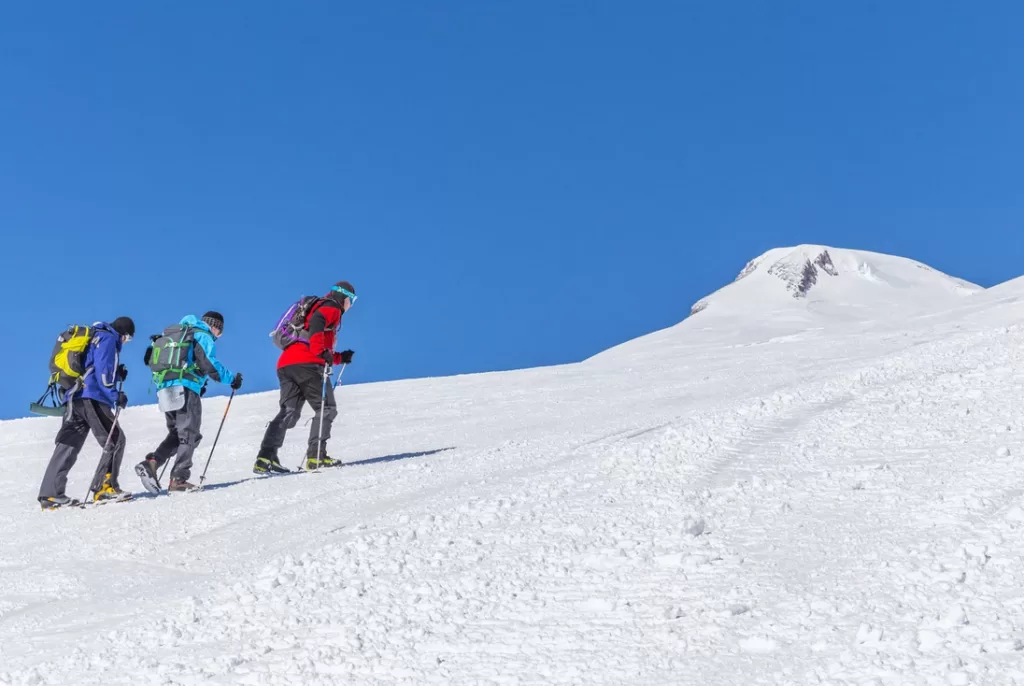
The Psychology Behind the Thrill
There’s actual science backing why more people are drawn to adventure travel. When we engage in thrilling activities, our brains release a powerful cocktail of dopamine, endorphins, and adrenaline—the same chemicals associated with happiness, reward, and peak performance. Unlike the temporary relaxation from a spa day, these experiences create lasting memories and genuine transformation.
Research from the Adventure Travel Trade Association shows that adventure travelers report higher levels of post-trip satisfaction compared to traditional vacationers. They come home with stories, new skills, increased confidence, and a sense of accomplishment that passive travel simply can’t provide.








How Darecations Differ From Traditional Vacations
Traditional vacations often follow a familiar script: arrive at resort, find your lounge chair, order drinks, repeat for a week. There’s nothing wrong with this approach—rest is important—but darecations offer something different entirely.
Here’s what sets them apart:
Active Participation vs. Passive Consumption: Darecations require you to be fully present and engaged. You’re not a spectator—you’re the main character in your own adventure story.
Challenge Over Comfort: While traditional vacations prioritize comfort and convenience, darecations embrace calculated discomfort as a path to growth. Sleeping in a tent, hiking before sunrise, or pushing past your perceived limits become part of the appeal.
Transformation Over Relaxation: Beach vacations help you unwind. Darecations help you discover what you’re capable of. You might return physically tired, but mentally energized and emotionally fulfilled.
Uniqueness Over Predictability: Every darecation is different. The weather, wildlife, trail conditions, and your own performance create unrepeatable moments rather than the standardized experiences of resort travel.
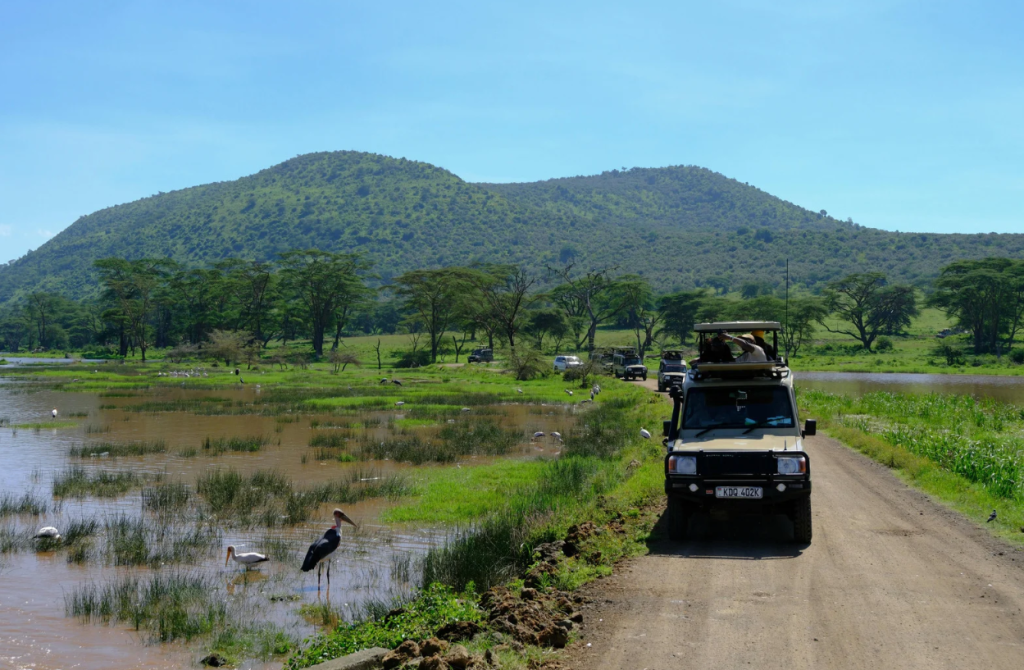
The Numbers Don’t Lie: Adventure Travel Is Booming
The adventure travel market has exploded in recent years. According to industry reports, the global adventure tourism market was valued at over $280 billion in 2024 and is projected to reach $1.3 trillion by 2030. That’s not just growth—that’s a complete transformation of the travel landscape.
Even more telling, adventure travel is growing at twice the rate of traditional tourism. Post-pandemic travelers aren’t just returning to the same old destinations—they’re actively seeking out experiences that make them feel alive, that remind them that life is precious and meant to be lived fully.
Who’s Leading the Darecation Revolution?
While adventure travel appeals to all age groups, millennials and Gen Z are driving this trend forward with unprecedented enthusiasm. These generations value experiences over possessions, seek authenticity over luxury, and prioritize personal growth and storytelling.
But it’s not just young travelers. Baby boomers and Gen X adventurers are also embracing darecations, often with more resources and time to pursue ambitious bucket-list adventures. The modern darecationer spans all ages, fitness levels, and backgrounds—united by curiosity, courage, and a desire to make their travel time truly count.
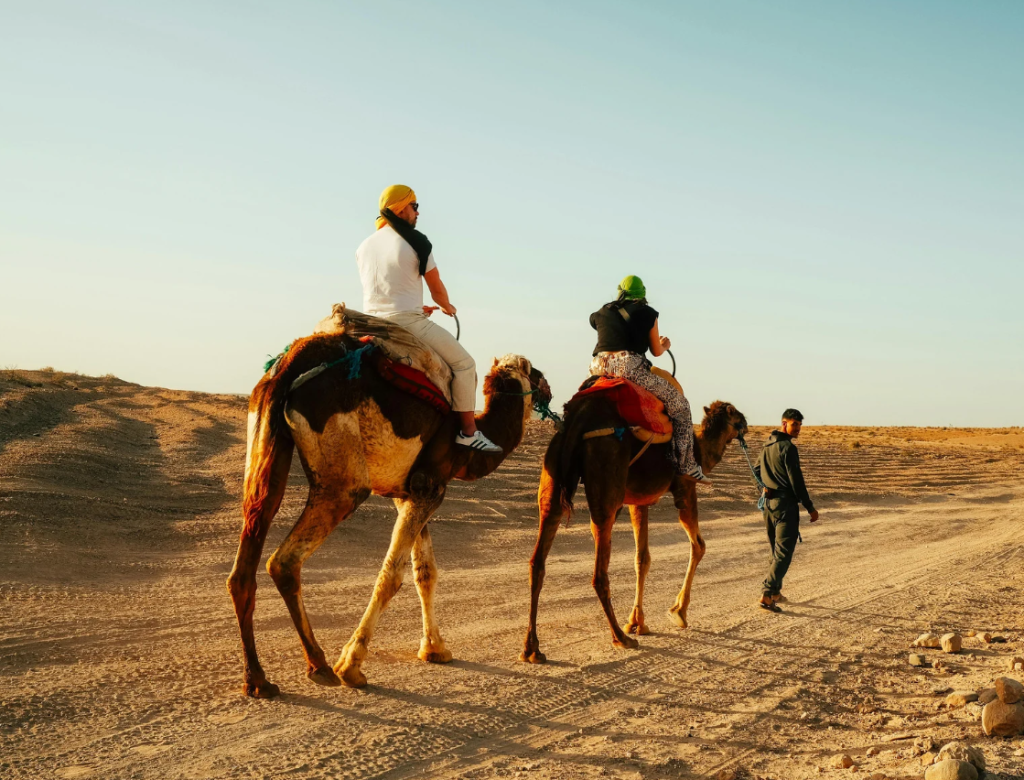
Why Darecations Are Replacing Beach Vacations in 2026
The shift from beaches to adventures isn’t happening in a vacuum. Multiple cultural, technological, and psychological factors are converging to make darecations the dominant travel trend of 2026.
The Experience Economy Has Taken Over
We’re living in what economists call the “experience economy”—where people increasingly value doing over having. A Louis Vuitton bag might impress for a season, but the story of how you navigated rapids in Patagonia or tracked gorillas in Rwanda? That lasts forever.
This shift is particularly pronounced in travel. Modern travelers don’t just want to see places—they want to interact with them, challenge themselves within them, and come away transformed by them. Darecations deliver on this promise in ways that traditional tourism can’t match.


Social Media Has Changed What We Value
Let’s be honest: Instagram and TikTok have fundamentally altered travel motivation. But here’s the twist—it’s not just about getting likes. The real shift is that social media has exposed us to possibilities we never knew existed. Seeing someone paraglide over Swiss Alps or dive with whale sharks makes these experiences feel accessible rather than impossible.
Beach selfies have become cliché. Everyone’s seen a thousand sunset photos from Cancún. But footage of you bungee jumping over Victoria Falls or ice climbing in Iceland? That’s content that genuinely inspires others and serves as a digital trophy of courage and experience.
The Mental Health Benefits Are Real
Here’s something that might surprise you: adventure travel is actually therapeutic. Studies show that challenging outdoor experiences can be as effective as traditional therapy for reducing anxiety, building resilience, and improving overall mental health.
When you’re focused on navigating a mountain trail or learning to scuba dive, your brain enters a flow state that’s remarkably similar to meditation. The physical exertion releases endorphins, while the achievement of completing a challenge builds genuine self-confidence. Unlike the temporary stress relief of a beach vacation, these benefits compound over time.
Dr. Catherine Sabiston, a kinesiologist at the University of Toronto, explains: “Adventure activities force you into the present moment. You can’t worry about work emails when you’re rock climbing. This enforced mindfulness, combined with physical activity and novel experiences, creates powerful mental health benefits.”
Revenge Travel Evolved Into Adventure Travel
Remember “revenge travel”—that post-pandemic surge where everyone rushed to make up for lost time? That energy hasn’t faded, but it has matured. People aren’t just traveling more—they’re traveling more intentionally.
The pandemic reminded us that tomorrow isn’t guaranteed. This realization didn’t make people want to lie on beaches—it made them want to summit mountains, learn new skills, and collect experiences they’d remember for decades. Darecations are the natural evolution of revenge travel: purposeful, passionate, and deeply personal.



Younger Generations Demand Authenticity
Millennials and Gen Z have built-in skepticism toward manufactured experiences. They’ve seen through the filtered perfection of resort marketing and recognize that authentic growth comes from authentic challenges.
These generations also value sustainability and meaningful connection with destinations. A darecation that involves hiking through local communities, learning about ecosystems, or supporting conservation efforts feels more aligned with their values than an all-inclusive resort that’s disconnected from local culture.
A 2025 survey by Booking.com found that 76% of travelers under 40 want their trips to “push them out of their comfort zone” and 68% believe travel should be “transformative” rather than just “relaxing.” These aren’t niche preferences—they’re becoming the default expectation.
Environmental Consciousness Drives Active Tourism
There’s also an environmental dimension to this shift. Conscious travelers are increasingly aware that massive resort complexes, cruise ships, and overtouristed beaches come with significant ecological costs. While adventure travel isn’t automatically more sustainable, many darecationers are drawn to experiences that emphasize conservation, small-group travel, and leaving minimal environmental footprint.
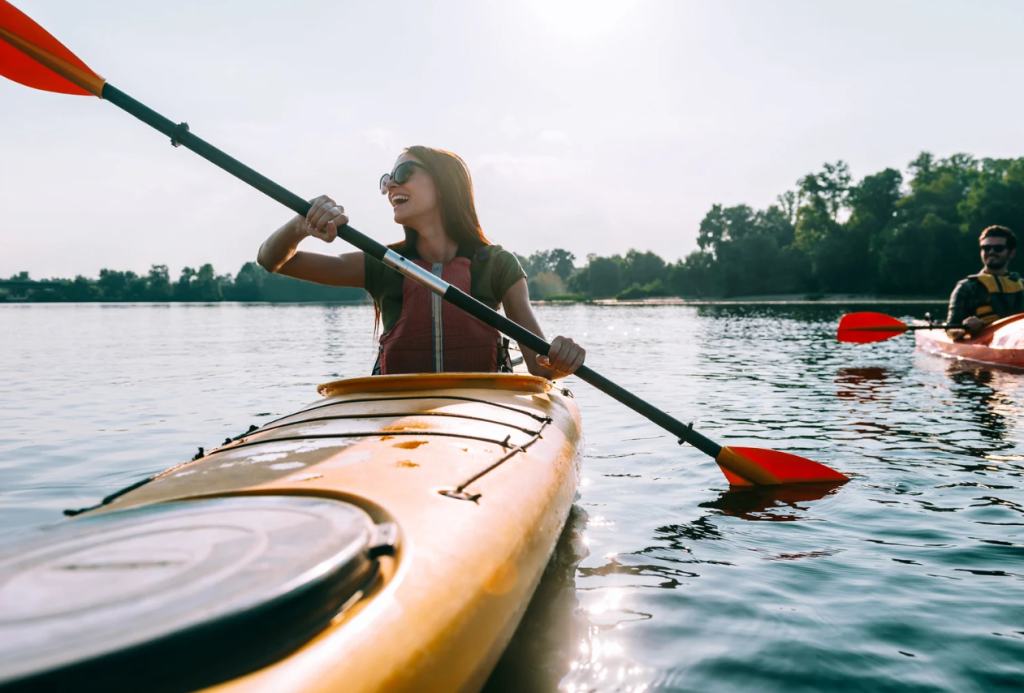
Activities like hiking, kayaking, wildlife observation, and cultural immersion generally have lower environmental impacts than traditional resort-based tourism. Many adventure travelers actively seek out eco-certified operators and destinations where their tourism dollars directly support conservation efforts.
The Beach Will Always Be There
Perhaps most importantly, darecations aren’t rejecting beaches entirely—they’re rejecting passivity. Some of the best darecations involve beaches: learning to surf in Bali, kite-surfing in Zanzibar, or sea kayaking between remote coastal caves.
The difference is participation. In 2026, travelers don’t want to just look at the ocean—they want to explore what’s beneath it, ride its waves, or paddle across it. The beach hasn’t lost its appeal; we’ve simply discovered far more interesting ways to experience it.
The question facing travelers in 2026 isn’t whether to take a vacation—it’s what kind of person you want to become through your travels. And increasingly, the answer involves getting off the lounge chair and into the adventure of a lifetime.
Types of Darecations: Find Your Perfect Adventure Style
Not all darecations are created equal. The beauty of adventure travel is that there’s a thrill level for everyone—from adrenaline junkies to cautious first-timers testing the waters.
Extreme Sports Darecations
For those who want their heart rate through the roof. Think skydiving over Dubai, bungee jumping in New Zealand, or wing-suit flying in Norway. These experiences deliver pure adrenaline and bragging rights that last a lifetime. You’ll need solid nerves, but most require minimal prior experience—just a willingness to leap.
Wildlife Encounter Darecations
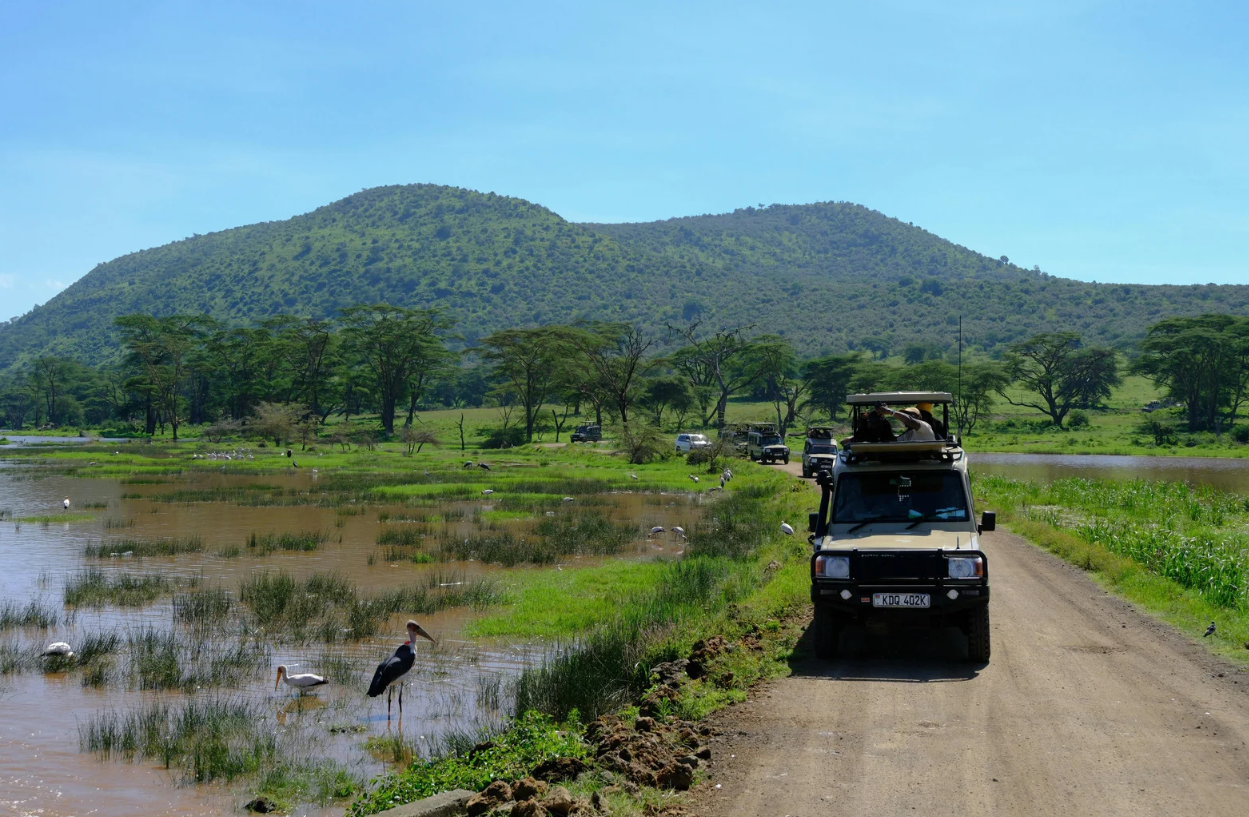
Get face-to-face with nature’s most magnificent creatures. Cage dive with great whites in South Africa, trek to see mountain gorillas in Rwanda, or swim with humpback whales in Tonga. These trips combine adventure with conservation, offering encounters you’ll never forget while supporting wildlife protection efforts.
Expedition-Style Darecations
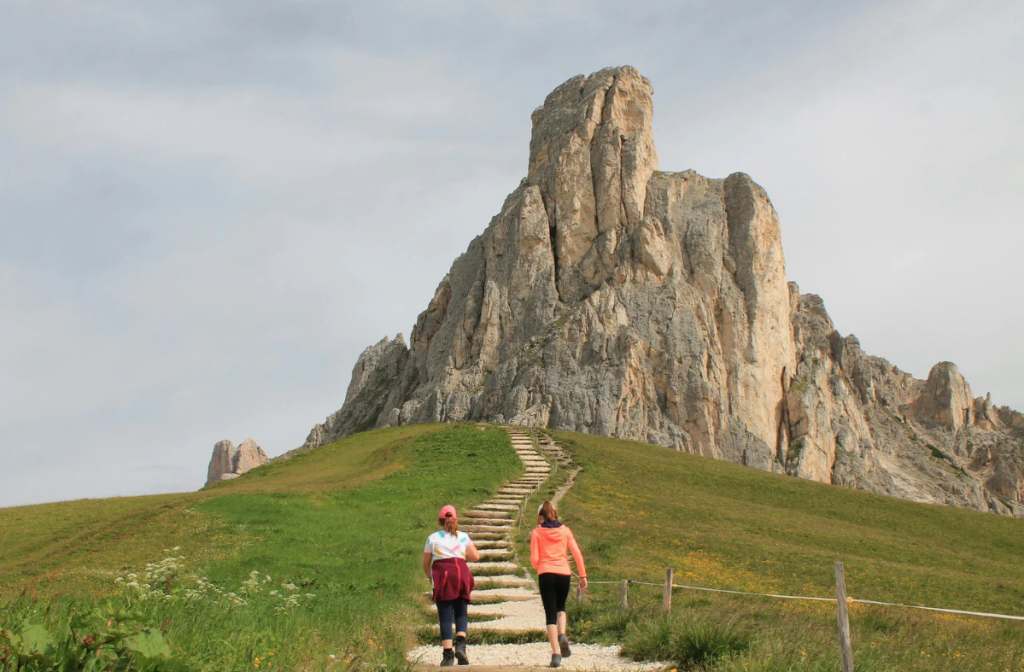
For those who dream big and don’t mind suffering a little. Summit Kilimanjaro, trek to Everest Base Camp, cross Iceland’s highlands, or navigate the Atacama Desert. These multi-day journeys test your endurance and reward you with landscapes that feel otherworldly. They require preparation but deliver transformation.
Water-Based Darecations
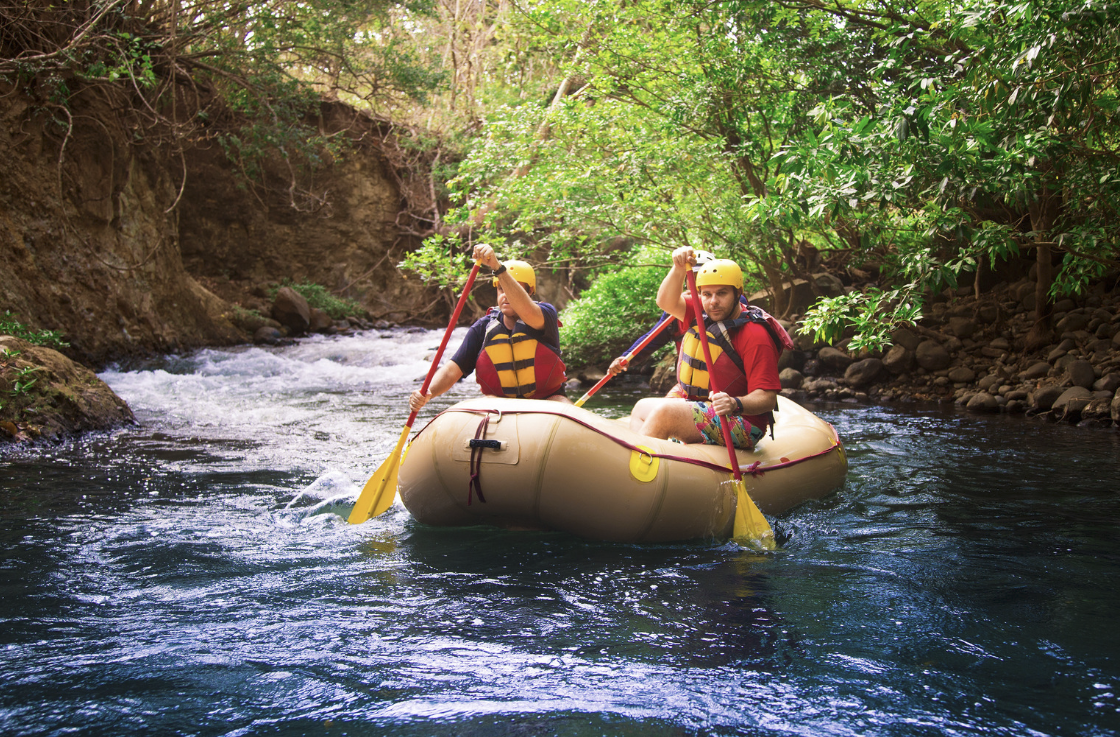
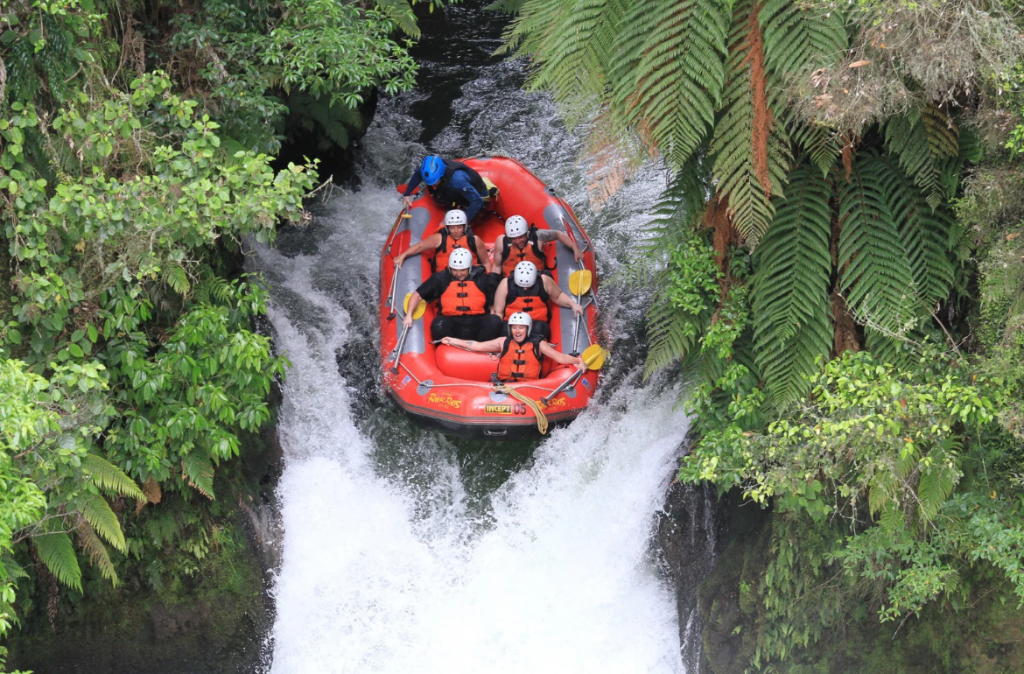
If you’re drawn to oceans, rivers, and lakes, there’s no shortage of aquatic adventures. Whitewater rafting through the Grand Canyon, surfing remote breaks in Indonesia, kiteboarding in Tarifa, or diving the Great Blue Hole in Belize. Water adventures range from beginner-friendly to expert-only, with options for every skill level.
Cultural Immersion Darecations
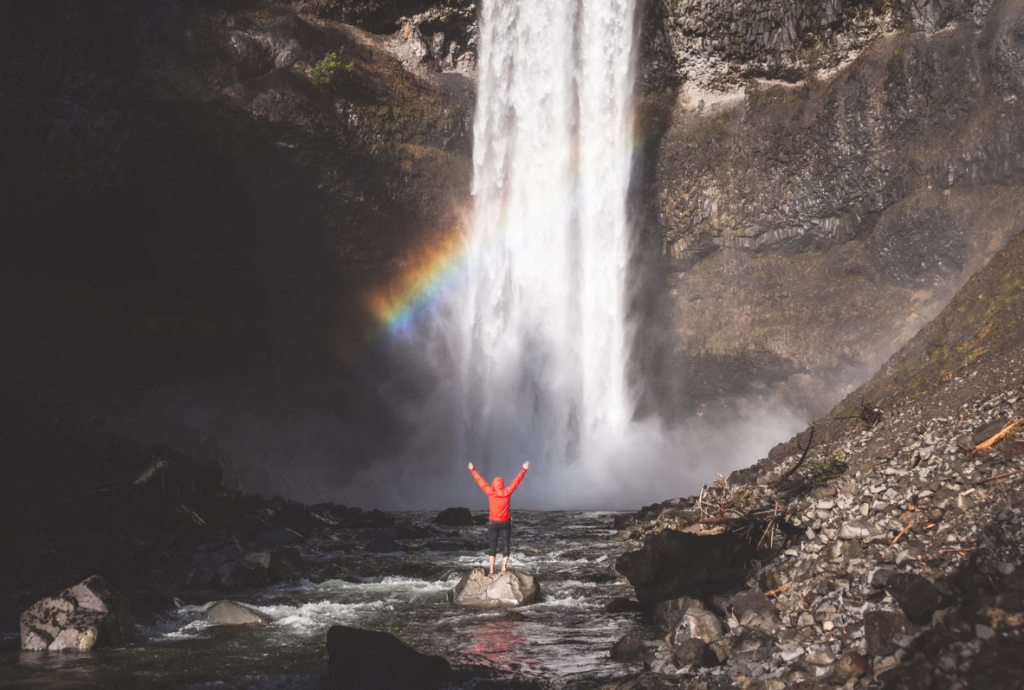
Adventure doesn’t always mean physical danger—sometimes it’s about stepping into the unfamiliar. Live with nomadic tribes in Mongolia, learn traditional survival skills from Indigenous guides, or volunteer on conservation projects in the Amazon. These experiences challenge your worldview and create genuine cultural connections.
Multi-Sport Adventure Packages
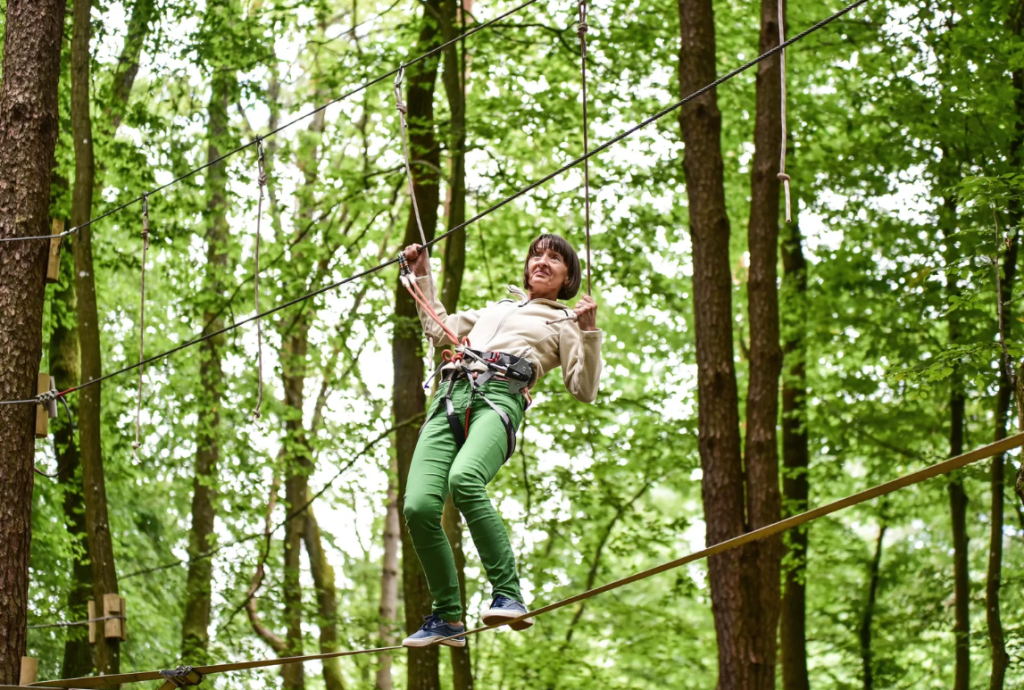
Can’t choose just one thrill? Many operators offer combination trips that pack several activities into one journey. A week in Costa Rica might include zip-lining, surfing, waterfall rappelling, and volcano hiking. These packages maximize adventure while minimizing planning stress.
Choosing Your Adventure Level
Be honest about your fitness level and risk tolerance. Start with “soft adventure” options like guided hiking or beginner surfing lessons. As your confidence grows, level up to more challenging experiences. The goal is to push your boundaries, not break yourself.
Top Darecation Destinations Taking Over 2026
Some places are simply built for adventure. Here are the destinations dominating darecation bucket lists this year.
New Zealand: The Adventure Capital
Queenstown didn’t earn its “adventure capital of the world” title by accident. Bungee jumping, skydiving, jet boating, mountain biking—if it gets your heart racing, New Zealand offers it. The Milford Track and Tongariro Alpine Crossing provide world-class hiking, while the country’s compact size means you can pack multiple adventures into one trip.
Iceland: Fire, Ice, and Everything Extreme
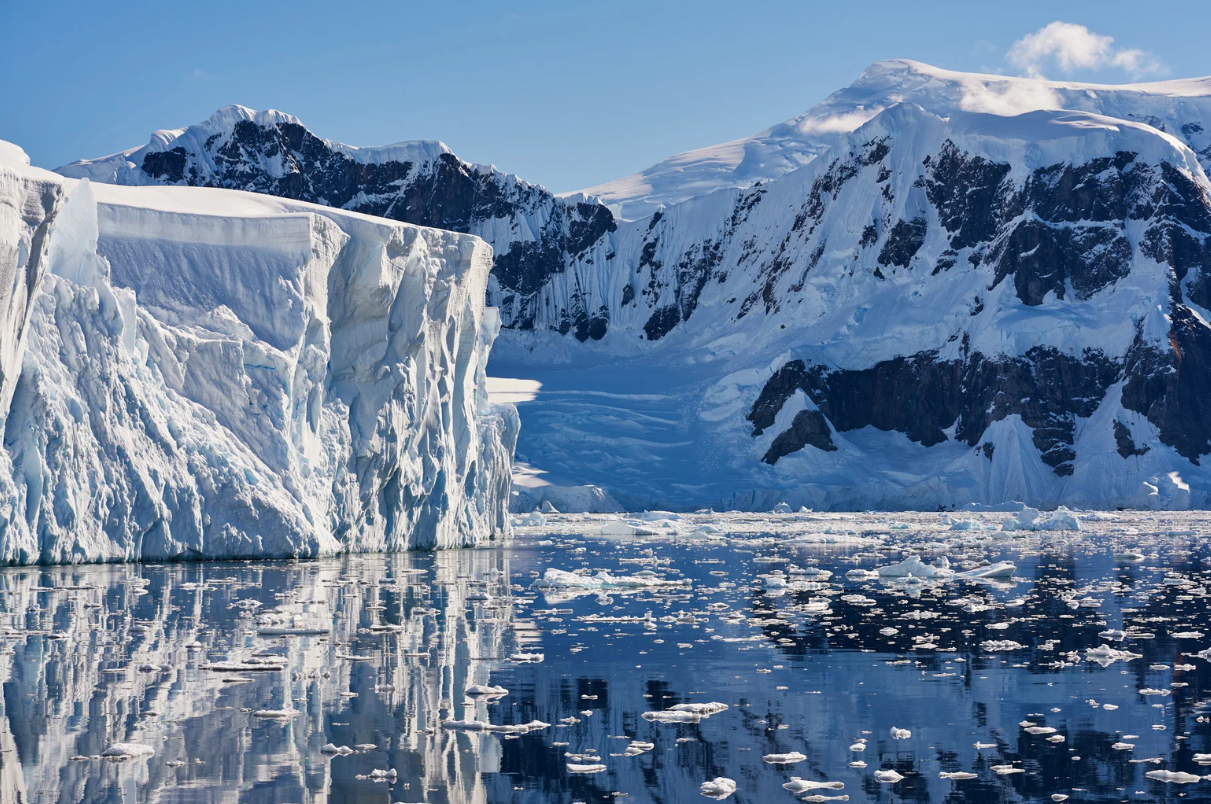
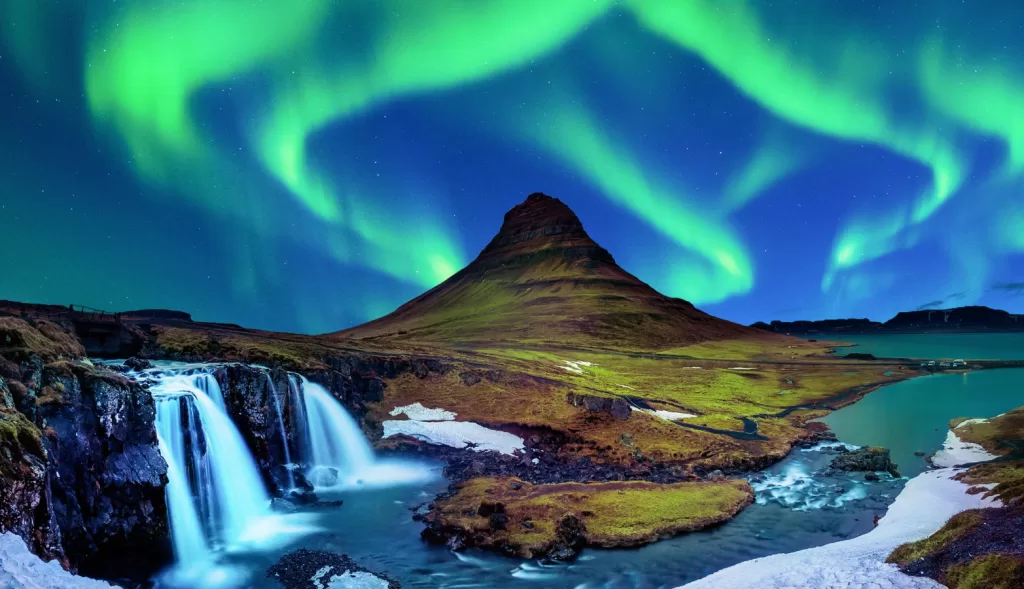
Iceland’s dramatic landscapes make every activity feel epic. Glacier hiking, ice cave exploration, volcano tours, snorkeling between tectonic plates—the options are endless. Winter brings northern lights chasing and ice climbing; summer offers midnight sun adventures and puffin watching. Iceland’s small size and excellent infrastructure make it perfect for adventure-packed road trips.
Costa Rica: Jungle and Ocean Thrills
This Central American gem packs ridiculous biodiversity into a tiny country. Surf the Pacific coast, zip-line through cloud forests, raft Class IV rapids, and spot sloths and toucans. Costa Rica pioneered eco-tourism and maintains excellent safety standards, making it ideal for first-time adventure travelers.
Nepal: Himalayan Expeditions for All Levels
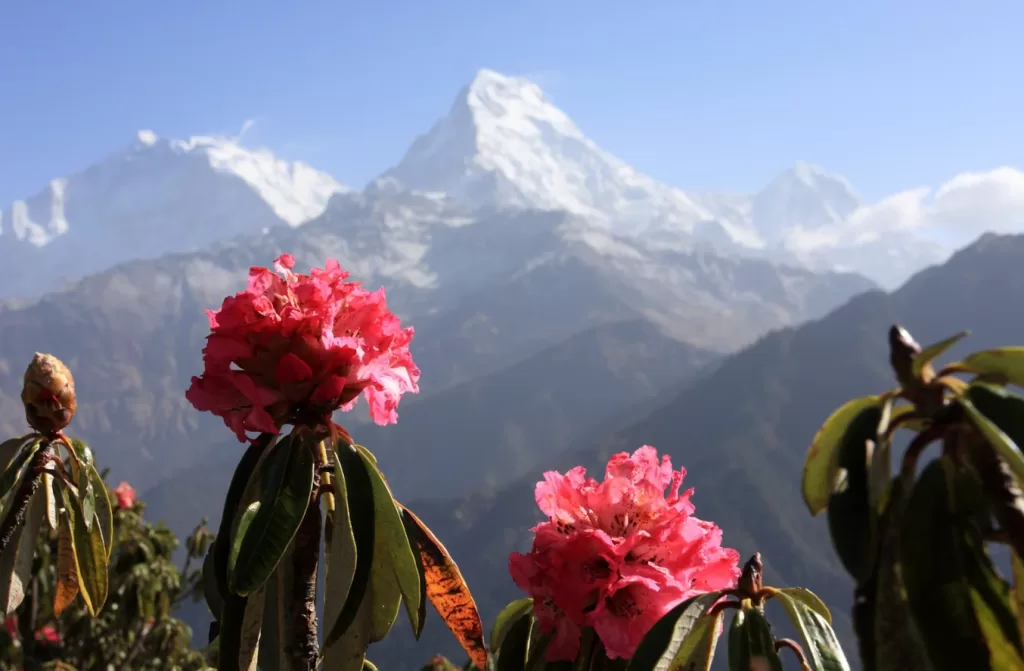
You don’t need to summit Everest to experience Nepal’s magic. The Annapurna Circuit and Everest Base Camp trek offer accessible Himalayan adventures, while shorter routes around Pokhara suit beginners. Cultural richness, welcoming locals, and jaw-dropping mountain scenery make Nepal an adventure travel essential.
Patagonia: Remote Wilderness Adventures
Straddling Argentina and Chile, Patagonia represents the frontier spirit. Torres del Paine, the Fitz Roy massif, and Perito Moreno Glacier offer hiking and climbing for serious adventurers. The remoteness adds to the appeal—you’ll feel like an explorer, not a tourist.
Norway: Fjords and Northern Lights
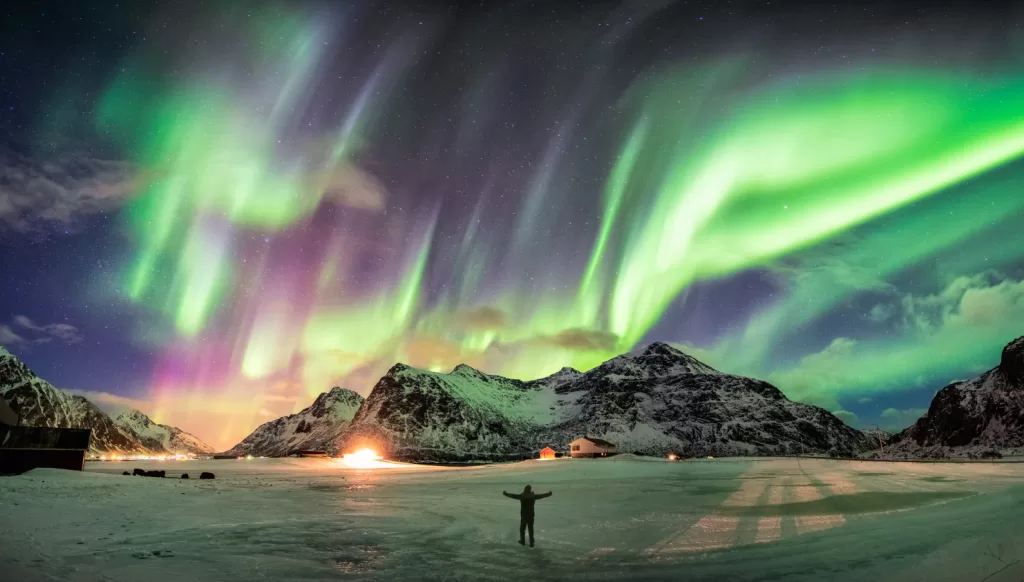
Norway combines Scandinavian safety standards with genuine wilderness. Hike to Trolltunga or Preikestolen for dramatic cliff-edge views, kayak through fjords, or chase the aurora borealis in the Arctic. It’s pricey, but the infrastructure and natural beauty justify the cost.
Emerging Adventure Hotspots
Albania’s Albanian Alps offer Europe’s best hiking without the crowds. Oman blends desert adventures with coastal diving. Rwanda’s gorilla trekking has become more accessible and affordable. These emerging destinations offer authentic experiences before mass tourism arrives.
Conclusion
The era of passive vacations is over. Darecations represent more than just a travel trend—they’re a fundamental shift in how we value our time, seek meaning, and define what makes a trip truly memorable.
You don’t need to be an extreme athlete or adrenaline junkie to embrace adventure travel. Whether you’re rappelling down waterfalls in Costa Rica, trekking to Everest Base Camp, or simply trying surfing for the first time, what matters is choosing experiences that challenge you and make you feel alive.
The beach will still be there when you want it. But in 2026, the world’s most thrilling destinations are calling. They’re asking if you’re brave enough to step outside your comfort zone, to trade the lounge chair for real adventure, to come home with stories instead of just a tan.
Your darecation is waiting. The only question is: what will you dare to do?
Ready to start planning your adventure? Explore our region-specific darecation guides and turn your 2026 travel dreams into reality.