Solo Darecations Guide 2026: How to Plan Safe, Thrilling Adventure Travel Alone
The confidence boost is real, and the memories? Unforgettable.
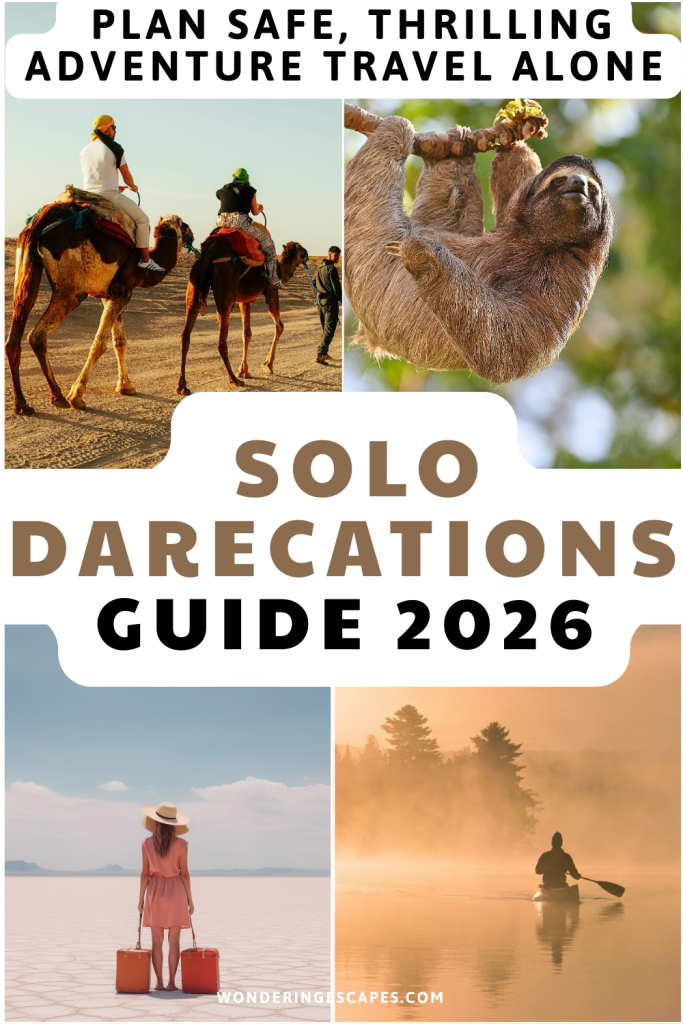
Did you know that solo travel bookings increased by 42% in 2025, with adventure travel leading the surge? More people than ever are discovering the transformative power of traveling alone—and darecations (dare + vacation) offer the perfect blend of adrenaline and self-discovery.
You may also like this:
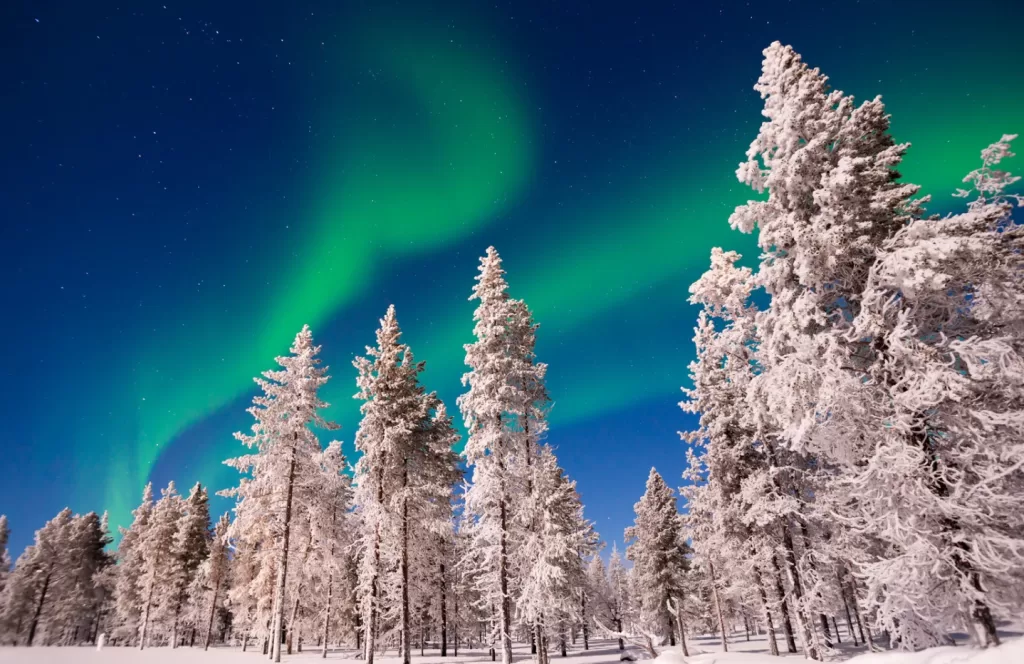
14 Best Places to See the Northern Lights: Ultimate Aurora Viewing Guide
Solo darecations aren’t just about ticking activities off a bucket list. They’re about pushing your boundaries, meeting like-minded adventurers, and proving to yourself that you’re capable of more than you imagined. Whether you’re rappelling down waterfalls in Costa Rica, trekking solo through Patagonia, or diving with sharks in South Africa, going alone amplifies every experience. I’ve spent the last five years exploring solo darecations across four continents, and I can tell you: there’s nothing quite like conquering a fear or achieving a physical goal with no one to rely on but yourself.
The confidence boost is real, and the memories? Unforgettable. In this comprehensive guide, you’ll discover how to plan safe and thrilling solo adventure trips, choose destinations that welcome solo travelers, pack smart, stay safe, and connect with other adventurers along the way. Let’s turn your darecation dreams into reality.
What Are Solo Darecations? (Understanding Adventure Travel Alone)
Solo darecations are a growing subset of adventure travel that combine high-adrenaline experiences with intentional solo exploration. The term itself blends dare and vacation, describing trips centered around physical challenges, outdoor adventures, and experiences that push you beyond your comfort zone—completed entirely on your own.
Unlike traditional vacations focused on relaxation or sightseeing, darecations prioritize action and personal growth. Think glacier hiking, multi-day treks, white-water rafting, canyoneering, scuba diving, or skydiving—activities that require presence, preparation, and a willingness to face uncertainty. When done solo, these experiences become even more powerful, forcing you to rely on your own judgment, resilience, and adaptability.
Solo adventure travel is trending strongly in 2026 for several reasons. Travelers are increasingly valuing meaningful experiences over passive consumption, and many are seeking trips that build confidence, physical strength, and mental clarity. Flexible remote work, improved travel infrastructure, and better access to guided adventure operators have also made it easier and safer than ever to pursue adventure alone.
The benefits of solo darecations extend well beyond the activity itself. Mentally, solo adventure travel sharpens decision-making, builds self-trust, and reduces fear through repeated exposure to challenge. Physically, it promotes fitness, endurance, and overall well-being. Perhaps most importantly, solo darecations create a deep sense of accomplishment—there is no safety net of familiar companions, only your own capability.
Despite common misconceptions, solo darecations are not reckless or reserved for elite athletes. With proper planning, realistic goal-setting, and the use of certified guides when appropriate, adventure travel alone can be both safe and deeply rewarding. In fact, many solo travelers report feeling more aware, cautious, and prepared when traveling alone than when relying on others.






Solo Darecation Planning Guide: Match Your Adventure to Your Experience
| Experience Level | Ideal Darecation Activities | Best Destinations | Planning Approach | Safety Focus |
|---|---|---|---|---|
| Beginner | Guided hikes, zip-lining, surf lessons, snorkeling, city cycling tours | Costa Rica, New Zealand, Iceland, Utah (USA) | Book guided activities, choose social accommodations, short trip length | Certified operators, clear emergency access, low-risk environments |
| Lower-Intermediate | Multi-day treks with guides, white-water rafting, scuba certification, via ferrata | Nepal (trekking regions), Norway, South Africa, Patagonia (front-country routes) | Mix independent travel with guided excursions, flexible itineraries | Insurance coverage, weather awareness, regular check-ins |
| Upper-Intermediate | Wilderness trekking, glacier hiking, long-distance cycling, remote kayaking | Patagonia, Iceland Highlands, Canadian Rockies, Norway Arctic regions | Detailed route planning, backup plans, shoulder-season travel | Navigation tools, first aid training, satellite communication |
| Advanced | Backcountry expeditions, solo mountaineering (with permits), technical climbing, unsupported endurance challenges | Himalayas (restricted zones), Andes, Alaska, remote regions of New Zealand | Self-supported planning, permit management, extensive prep | Personal locator beacon, evacuation plans, advanced survival skills |
Why Choose Solo Darecations Over Group Adventure Tours
While group adventure tours offer structure and social interaction, solo darecations provide a level of freedom and personal agency that organized trips simply cannot match. Traveling alone allows you to set your own pace, choose activities that genuinely excite you, and adjust plans based on weather, energy levels, or spontaneous opportunities.
One of the biggest advantages of solo adventure travel is accelerated personal growth. Without the influence of group dynamics, compromises, or shared decision-making, you experience destinations and challenges more directly. Every success—and setback—is yours alone, which leads to stronger confidence and a clearer sense of self.
Solo travelers also tend to connect more easily with locals and fellow adventurers. When you are alone, you appear more approachable, whether that means striking up conversations at trailheads, joining impromptu surf sessions, or bonding with others during guided excursions. Ironically, traveling solo often results in more meaningful social interactions than traveling in a group.
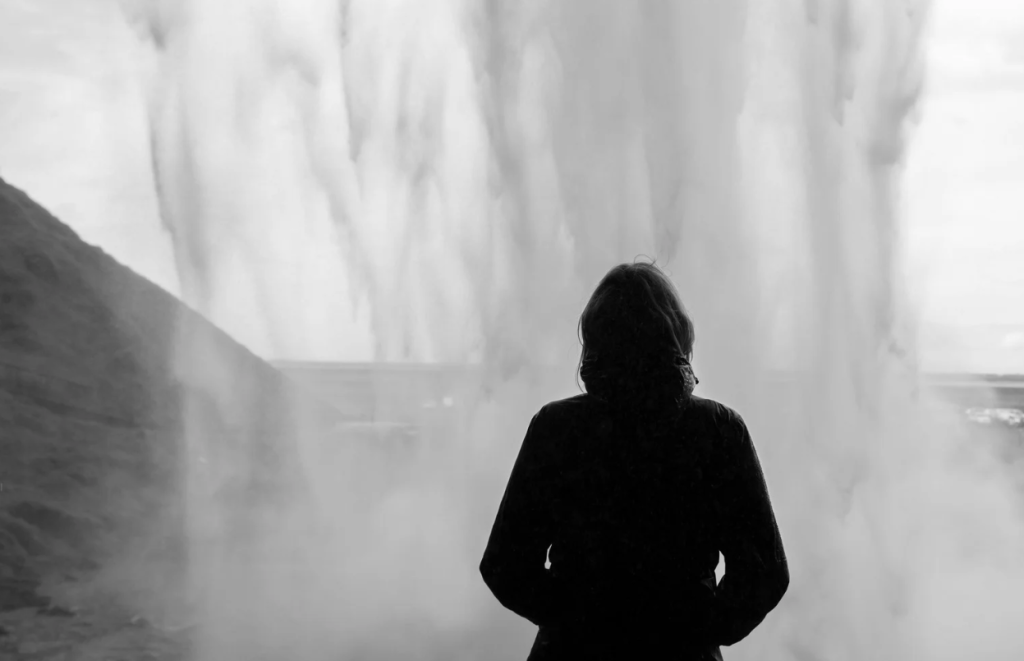
From a financial standpoint, solo darecations offer greater budget flexibility. You can splurge on a once-in-a-lifetime activity while saving on accommodation, meals, or transportation elsewhere. There is no need to align spending priorities with others or participate in activities that do not interest you.
That said, group tours still have a place—particularly for highly technical or remote adventures where safety logistics are complex. Many solo darecation travelers strike a balance by traveling independently while booking small-group day tours or guided expeditions for specific activities. This hybrid approach delivers both independence and safety without sacrificing autonomy.
Ultimately, solo darecations appeal to travelers who value freedom, challenge, and self-discovery. If your goal is not just to see a destination, but to test yourself within it, traveling alone offers an unmatched level of intensity and reward.
Best Solo Darecation Destinations for Adventure Travelers
Choosing the right destination is one of the most important decisions when planning a solo darecation. The best locations for solo adventure travel combine thrilling activities with strong infrastructure, reliable safety standards, and a welcoming environment for independent travelers. Destinations that already cater to adventure tourism tend to have certified guides, well-marked trails, and an established community of solo and small-group travelers.
New Zealand is widely considered the global capital of adventure travel. From bungee jumping and skydiving to alpine hiking and multi-day treks, the country offers world-class experiences supported by rigorous safety regulations and an exceptionally solo-friendly culture. Public transportation, hostels, and adventure operators are designed with independent travelers in mind.
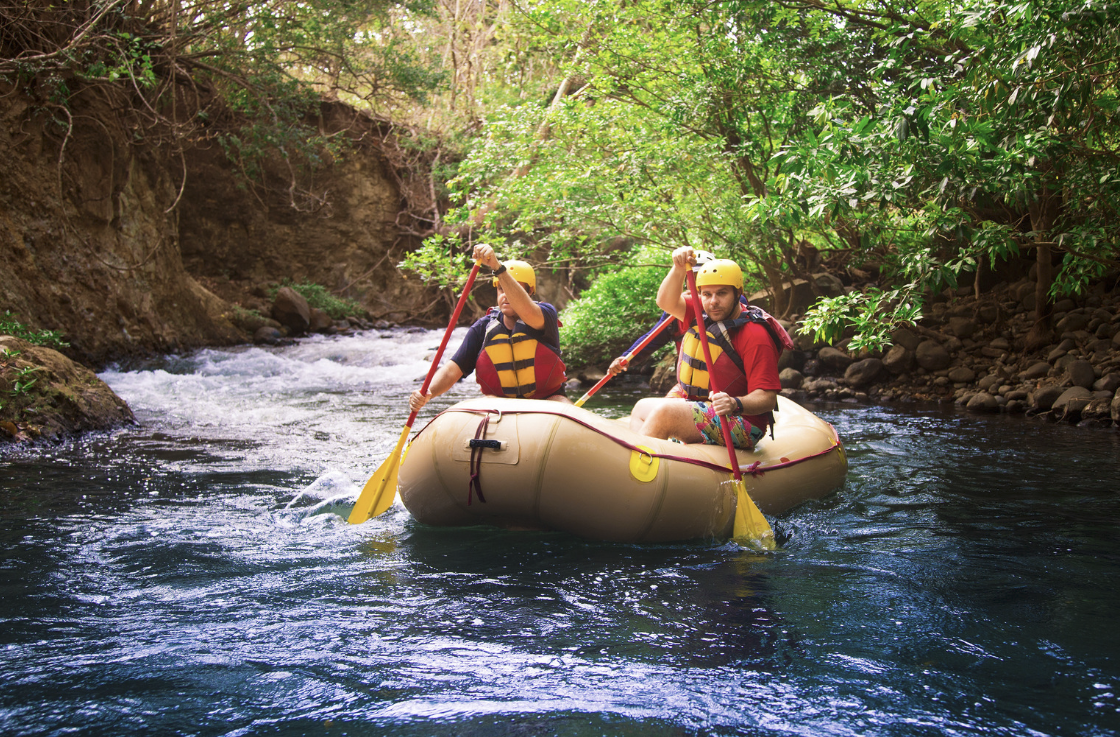
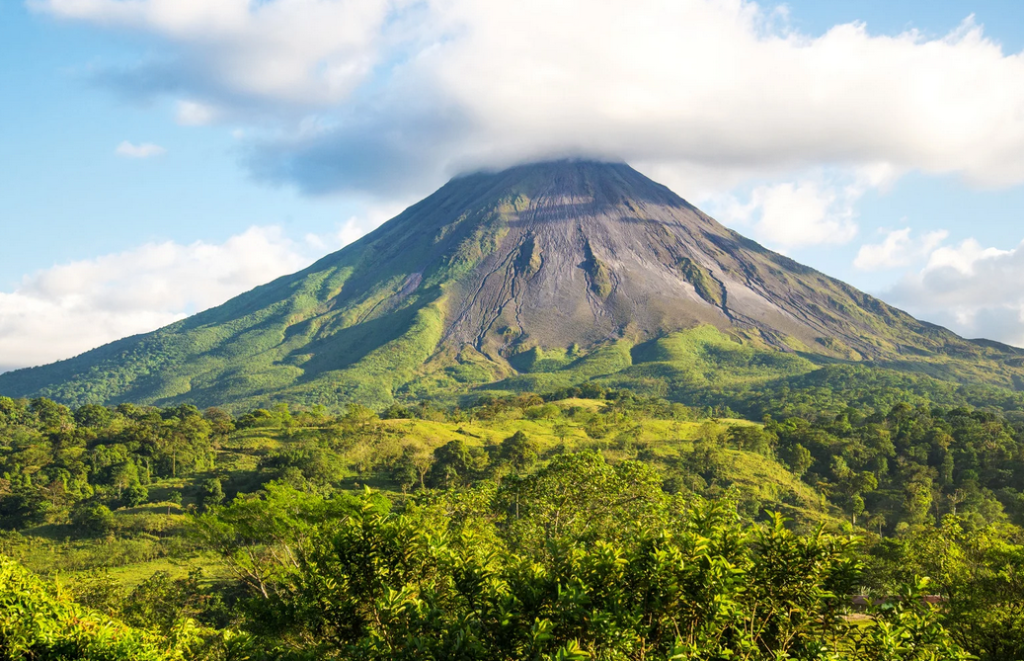
Costa Rica is ideal for first-time solo darecations. Zip-lining through cloud forests, white-water rafting, surfing, and wildlife encounters can all be done safely through reputable operators. The country’s eco-tourism infrastructure, political stability, and strong emphasis on sustainability make it particularly attractive for solo travelers seeking adventure without extreme risk.
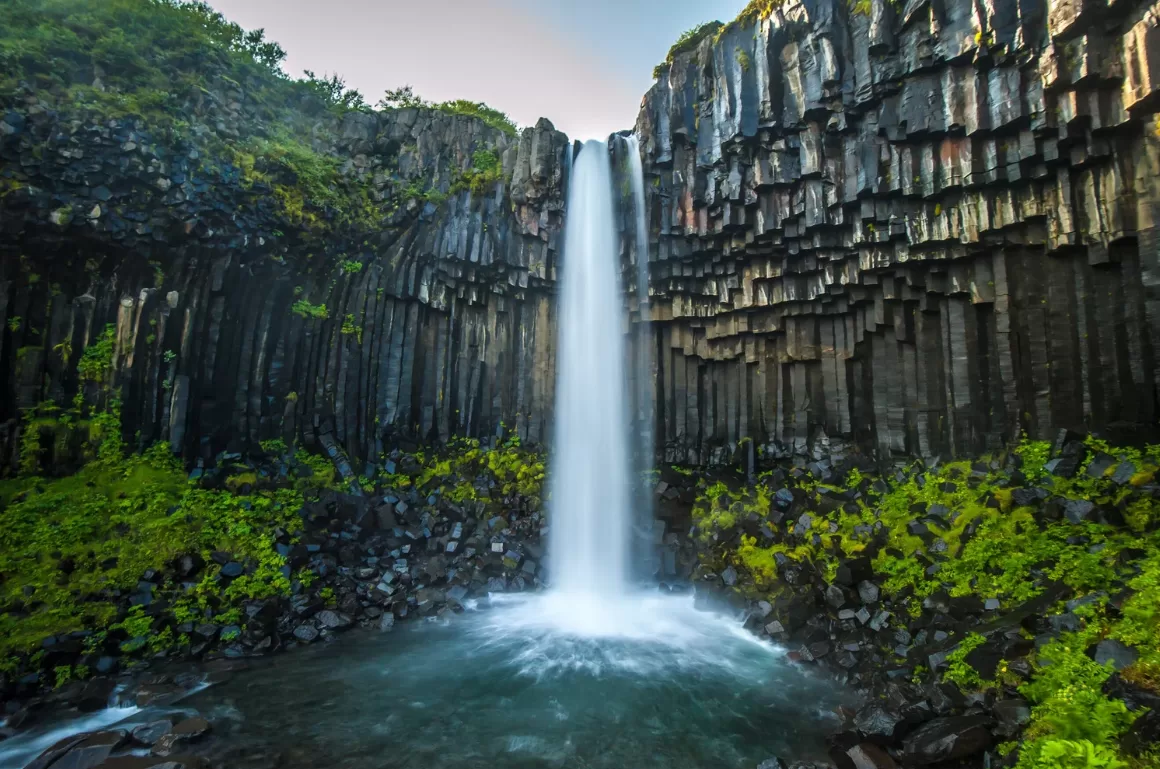
Iceland offers a more rugged but highly accessible adventure environment. Glacier hikes, ice climbing, volcano tours, and Northern Lights excursions are easily booked solo, with strict safety standards and excellent road infrastructure. Its low crime rate and well-developed tourism industry make it one of the safest destinations for solo adventure travelers.
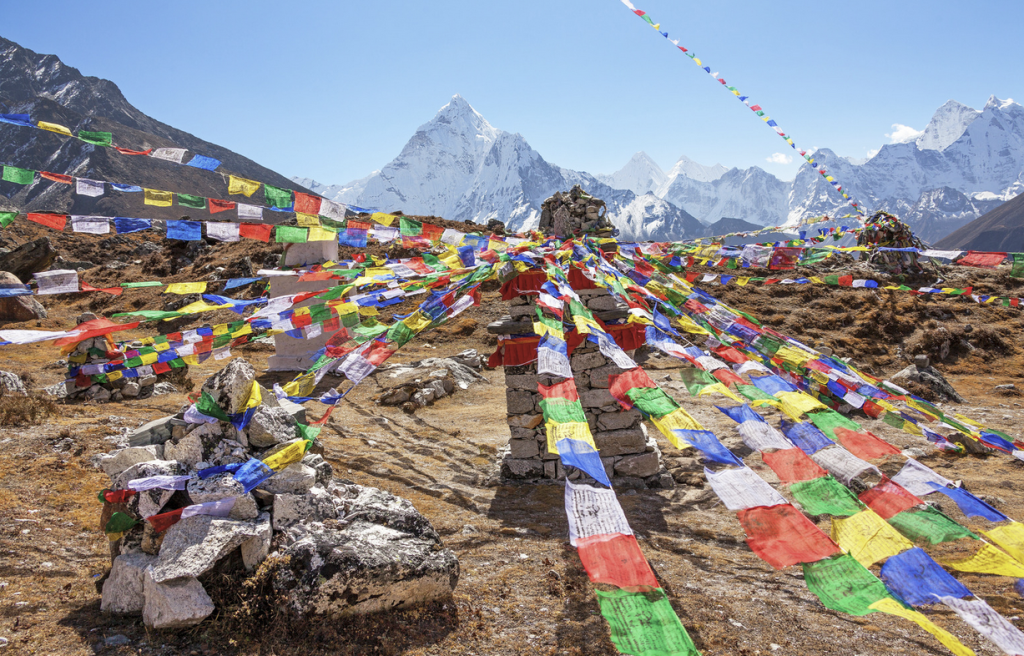
For more physically demanding experiences, Nepal and Patagonia (Chile and Argentina) deliver unparalleled rewards. Nepal’s trekking routes, including Everest and Annapurna regions, are well-established for solo travelers, though guides or porters are increasingly required on certain routes. Patagonia’s multi-day treks and wilderness camping appeal to experienced adventurers seeking solitude, dramatic landscapes, and endurance-based challenges.
South Africa blends adrenaline with wildlife encounters, offering shark cage diving, safari adventures, and mountain hikes. While some regions require more situational awareness, guided activities and established adventure hubs make it accessible for confident solo travelers.
Other standout destinations include Norway for fjord kayaking and Arctic experiences, Utah (USA) for canyoneering and national park adventures, and regions with strong outdoor culture and emergency infrastructure.
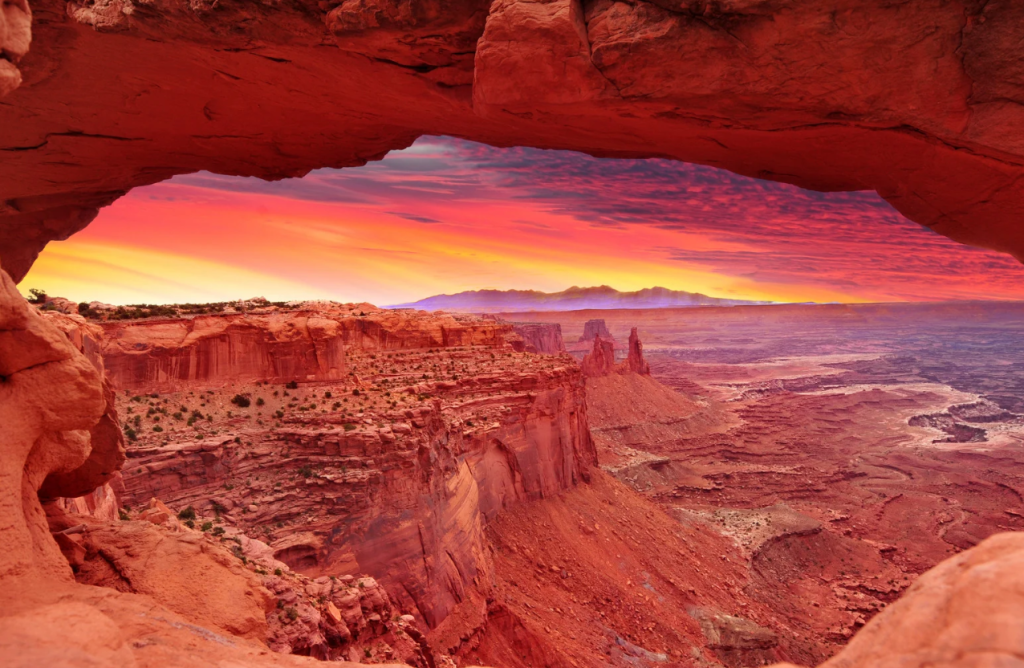
When selecting a destination, prioritize places with reliable transportation, medical facilities, clear safety regulations, and a proven track record of hosting solo adventure travelers. The right environment can dramatically increase both enjoyment and safety.
How to Plan Your First Solo Darecation (Step-by-Step Guide)
Planning a solo darecation requires a balance between ambition and realism. The goal is to challenge yourself without overwhelming your current skill level or comfort zone. Start by honestly assessing your physical fitness, outdoor experience, and tolerance for uncertainty. Adventure travel rewards preparation, not overconfidence.
Choose activities that stretch your abilities without placing you in unnecessary danger. For your first solo darecation, guided or semi-guided experiences—such as group hikes, surf camps, or rafting trips—can provide structure while still allowing independence. As confidence grows, you can transition toward more self-directed adventures.
Destination research is critical. Look for places with strong solo traveler infrastructure, including reputable operators, emergency services, and clear communication in a language you understand. Book key elements such as accommodation and high-demand activities in advance, while leaving room for flexibility in your daily schedule.
Create a loose itinerary rather than a rigid plan. Build in rest days, weather buffers, and alternative activities in case conditions change. Adventure travel often involves unpredictability, and flexibility is one of the most valuable skills a solo traveler can have.
Budgeting for solo adventure travel requires special consideration. Factor in activity costs, potential single supplements, gear rentals, and insurance. Traveling during shoulder seasons can reduce costs while avoiding peak crowds. For beginners, shorter trips or weekend-based darecations are an excellent way to build experience before committing to longer expeditions.
Most importantly, set realistic expectations. Your first solo darecation does not need to be extreme to be transformative. Confidence is built incrementally, and each successful trip lays the foundation for more ambitious adventures in the future.
Solo Darecation Safety Tips for Adventure Travelers
Safety is the foundation of every successful solo darecation. While adventure travel naturally involves risk, traveling alone requires a more deliberate and proactive approach to minimizing exposure while still embracing challenge. The most confident solo adventurers are not reckless—they are prepared.
Begin by researching destination-specific safety considerations well before booking. This includes understanding seasonal weather patterns, regional risks, emergency response availability, and any activity-specific regulations. Certain adventures, such as glacier hiking or white-water rafting, should always be done through certified operators with documented safety standards.
Always share your itinerary with trusted contacts at home, including accommodation details, activity schedules, and transportation plans. Regular check-ins via messaging apps, location sharing, or GPS trackers add an additional layer of reassurance, especially in remote areas.
Comprehensive travel insurance is non-negotiable for solo adventure travel. Policies should explicitly cover adventure activities, medical emergencies, and evacuation from remote locations. Carefully review exclusions, as many standard plans do not cover high-risk activities without add-ons.
Trust your instincts at all times. Solo travelers often develop heightened situational awareness, and that intuition is a valuable safety tool. If a situation feels unsafe—whether due to weather, fatigue, or interpersonal dynamics—changing plans is not failure; it is sound judgment.
Pack a well-stocked first aid kit tailored to your activities, and learn basic emergency skills relevant to your adventure, such as altitude sickness awareness or water safety techniques. Download offline maps, emergency numbers, and local contact information before departing, and learn essential emergency phrases in the local language.
For solo female adventure travelers, additional considerations such as accommodation location, transportation timing, and cultural norms are especially important. Choosing well-reviewed lodging, avoiding unnecessary night travel, and dressing in line with local customs can significantly reduce unwanted attention.
Even with thorough planning, things can go wrong. Weather changes, injuries, or cancellations happen. The key is having contingency plans—backup routes, alternate accommodations, and emergency funds—so that setbacks do not escalate into emergencies.
Essential Gear and Packing List for Solo Adventure Travel
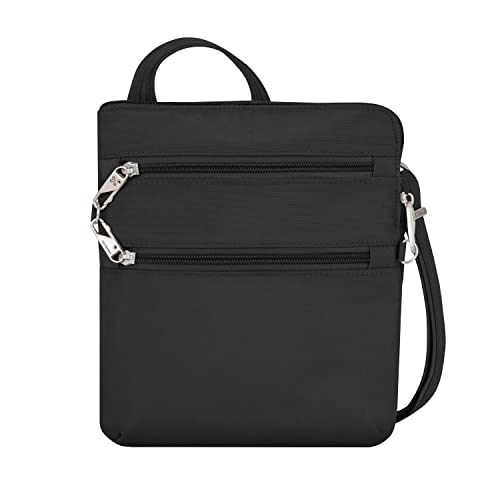
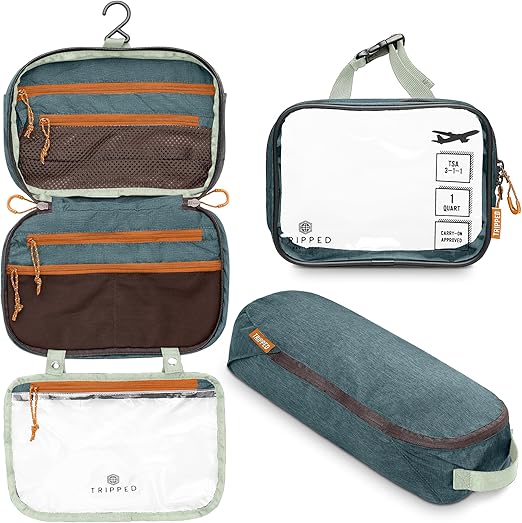
Packing for a solo darecation is about precision, not excess. Every item should serve a clear purpose, support safety, or enhance performance. When traveling alone, there is no one to borrow from, which makes thoughtful preparation essential.
Start with activity-specific gear. This may include hiking boots, climbing harnesses, wetsuits, helmets, or trekking poles depending on your adventure. Whenever possible, confirm what equipment is provided by operators versus what you must bring yourself. Renting gear at your destination can reduce weight and cost, particularly for specialized items.


Universal adventure travel essentials apply across most darecations. A headlamp, multi-tool, dry bags, whistle, and reusable water bottle should be considered non-negotiable. Technical clothing—moisture-wicking layers, weatherproof outerwear, and temperature-appropriate insulation—allows you to adapt to changing conditions without overpacking.
Safety equipment deserves special attention when traveling solo. Personal locator beacons, emergency shelters, compact first aid kits, and backup navigation tools can be lifesaving in remote environments. While not every trip requires advanced safety devices, longer or more isolated adventures often justify the extra weight.
Technology also plays a critical role. Portable power banks, universal adapters, and offline navigation apps ensure you remain connected when needed. For documenting your journey, action cameras or weather-resistant smartphones strike a balance between quality and portability.
Finally, organize all documents carefully. Carry digital and physical copies of insurance policies, permits, emergency contacts, and identification. Keep essentials accessible and protected from water or damage.
The goal is to pack light enough to move efficiently while packing right enough to remain safe, comfortable, and self-sufficient. Mastering this balance is a defining skill of successful solo adventurers.
Meeting Other Adventurers While Traveling Solo
One of the most common misconceptions about solo darecations is that they are lonely. In reality, solo adventure travel often creates more opportunities for meaningful connections, particularly when experiences involve shared challenge, physical effort, or adrenaline-fueled moments.
Group-based activities such as guided hikes, diving excursions, rafting trips, and climbing courses naturally attract like-minded travelers. Even when you arrive alone, these environments foster quick bonds through teamwork and shared accomplishment. For many solo travelers, these short-term connections become highlights of the trip.
Accommodation choices also play a significant role. Adventure-focused hostels, eco-lodges, and small guesthouses often organize group activities or communal meals, making it easier to meet others without forced interaction. Choosing social accommodations does not require sacrificing privacy; many offer private rooms alongside shared spaces.
Digital platforms can further enhance connection. Apps and communities such as Meetup, Couchsurfing, and destination-specific adventure groups help solo travelers find local events, outdoor meetups, or informal group outings. Social media groups dedicated to solo adventure travel are also valuable for real-time advice, meetups, and destination insights.
For longer or more technical adventures, multi-day guided expeditions offer a balanced approach. These small-group experiences provide built-in social interaction while maintaining personal independence. They are especially effective for trekking, mountaineering, or wilderness-based darecations.
Equally important is knowing when to embrace solitude. Solo darecations are not about constant social engagement; they are about choosing connection intentionally. Respecting others’ solo journeys while remaining open to shared experiences creates a healthy balance between independence and community.
Budget-Friendly Solo Darecation Ideas
Solo darecations do not need to be expensive to be impactful. With strategic planning, adventure travel alone can be surprisingly cost-effective—often more so than traditional vacations. The key is prioritizing experiences over luxury and eliminating unnecessary expenses.
Avoid single supplements by staying in hostels, guesthouses, or campsites rather than traditional hotels. Many adventure destinations also offer dorm-style lodging near trailheads, surf beaches, or climbing areas, reducing transportation costs while increasing social opportunities.
Choosing destinations with affordable adventure infrastructure can dramatically lower expenses. Regions such as Central America, Southeast Asia, the Balkans, and parts of Eastern Europe offer high-quality outdoor experiences at a fraction of the cost found in more established adventure hubs.
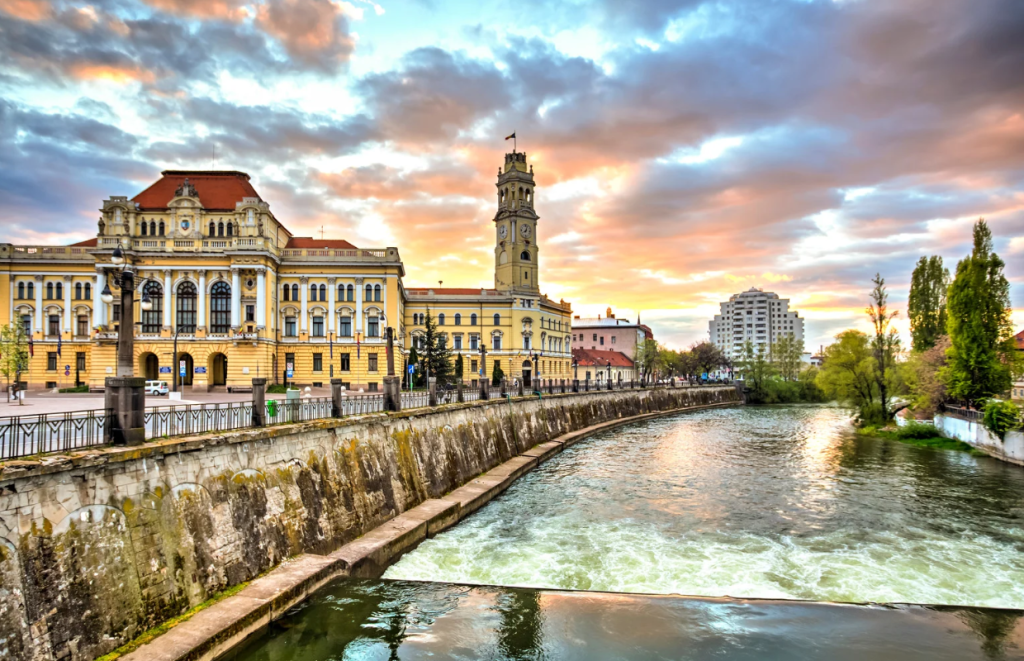
Traveling during shoulder season is one of the most effective budget strategies. Prices drop, crowds thin, and conditions often remain excellent for hiking, surfing, or wildlife encounters. Booking activities directly with local operators rather than through resorts or intermediaries can also result in significant savings.
Many of the most rewarding darecation activities are low-cost or free. Hiking, trail running, wild swimming, snorkeling, and cycling require minimal investment beyond gear and transportation. Cooking your own meals, shopping at local markets, and using public transportation further stretch your budget.
For those with flexible schedules, remote work or extended travel can transform a short darecation into a longer adventure. Slowing down reduces daily costs and allows deeper immersion in both the destination and the experience itself.
The most successful budget solo darecations focus on what truly matters: challenge, discovery, and personal growth—not unnecessary upgrades or packaged experiences.

Overcoming Fear and Building Confidence for Solo Adventures
Fear is an inevitable part of solo darecations—and in many ways, it is the point. Adventure travel alone forces you to confront uncertainty, self-doubt, and the limits of your comfort zone. The goal is not to eliminate fear, but to understand it, manage it, and use it as a tool for growth rather than an obstacle.
The most effective way to build confidence is to start small. Day hikes, guided excursions, or weekend adventure trips close to home provide low-risk opportunities to test your readiness. Each successful experience reinforces your ability to handle the unexpected and lays the groundwork for more ambitious darecations.
Preparation plays a critical role in reducing anxiety. Researching routes, understanding weather conditions, knowing emergency procedures, and packing appropriate gear all contribute to a sense of control. The more informed you are, the less power uncertainty holds over your decisions.
Mental strategies are equally important. Visualization, mindfulness, and controlled breathing techniques help manage stress in challenging moments, whether you are navigating a difficult trail or preparing for a physically demanding activity. Shifting focus from potential risks to anticipated rewards can also reframe fear as excitement rather than danger.
Connecting with experienced solo adventurers—through online communities, blogs, or in-person meetups—provides reassurance and perspective. Hearing how others overcame similar fears normalizes the experience and reinforces that apprehension is part of the journey, not a sign of unpreparedness.
Confidence gained on solo darecations often extends far beyond travel. Facing fears in unfamiliar environments strengthens decision-making, resilience, and self-trust in everyday life. Learning to distinguish between protective fear and limiting fear is one of the most valuable outcomes of adventure travel alone.
Best Adventure Activities for Solo Travelers
Not all adventure activities are equally suited for solo travelers, especially when safety and logistics are considered. The best solo darecation activities offer a balance between challenge, accessibility, and structured support when needed.
Hiking and trekking are among the most popular solo adventure pursuits. Well-marked trails, ranger stations, and established trekking routes allow for independence while maintaining safety. Many destinations offer a wide range of difficulty levels, making it easy to scale challenges appropriately.
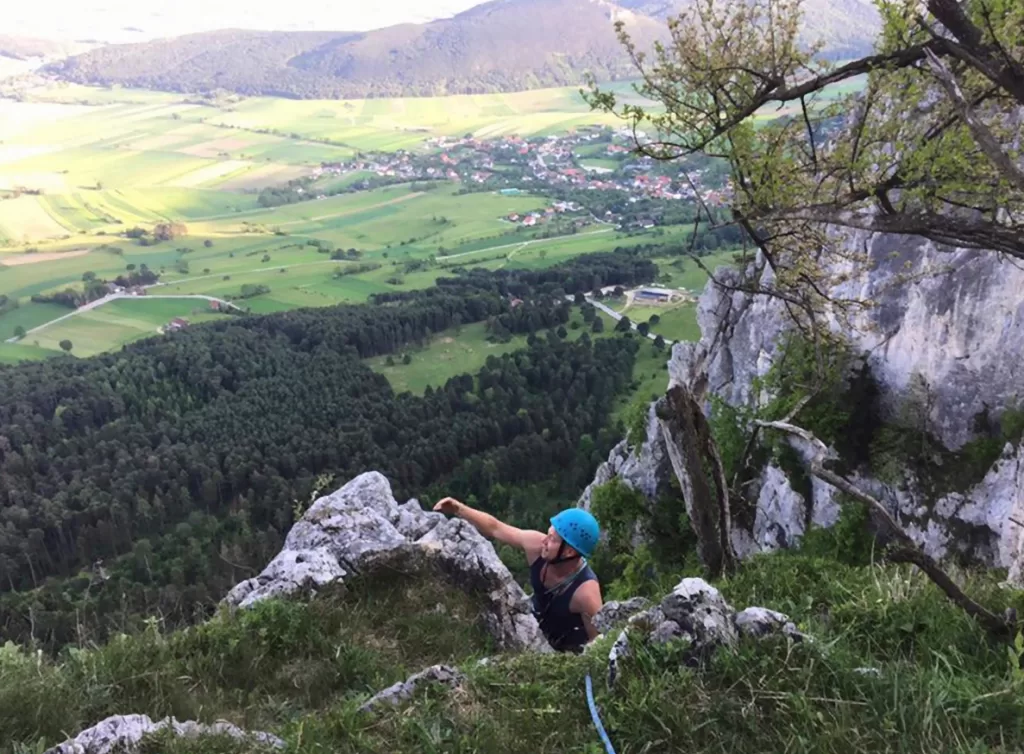
Rock climbing and bouldering are excellent solo-friendly activities when done with guides or in controlled environments such as climbing gyms or via ferrata routes. These options provide technical challenge without the isolation risks associated with remote solo climbing.
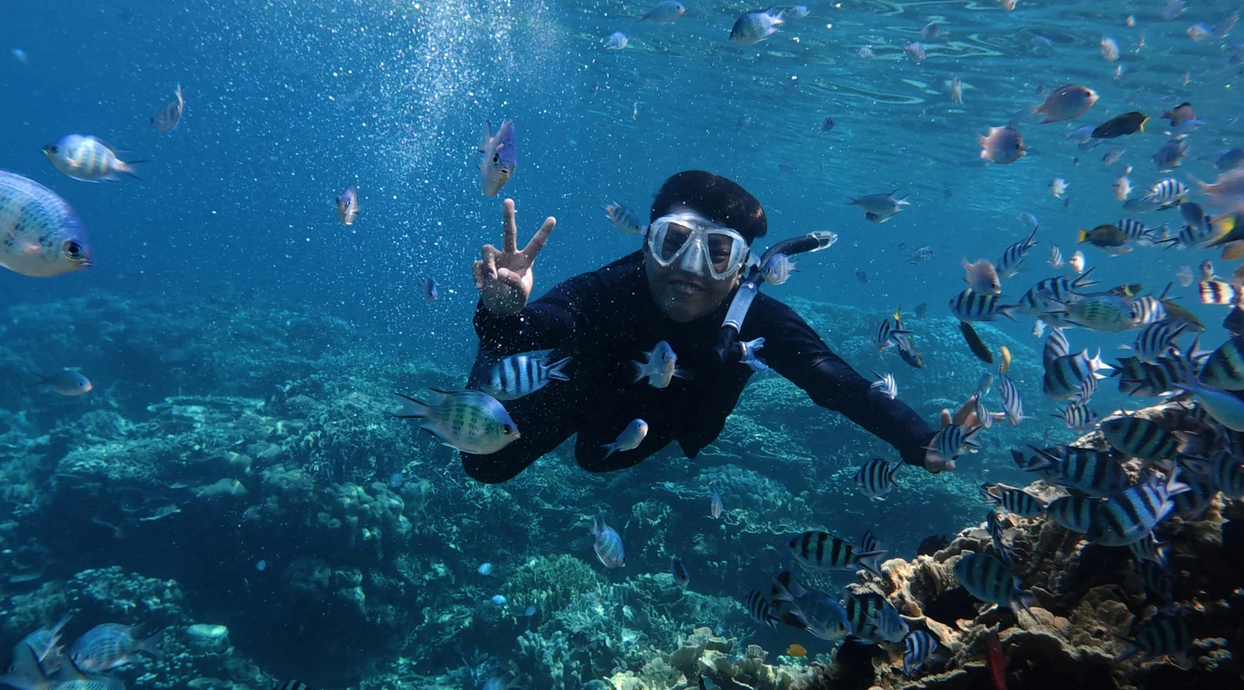
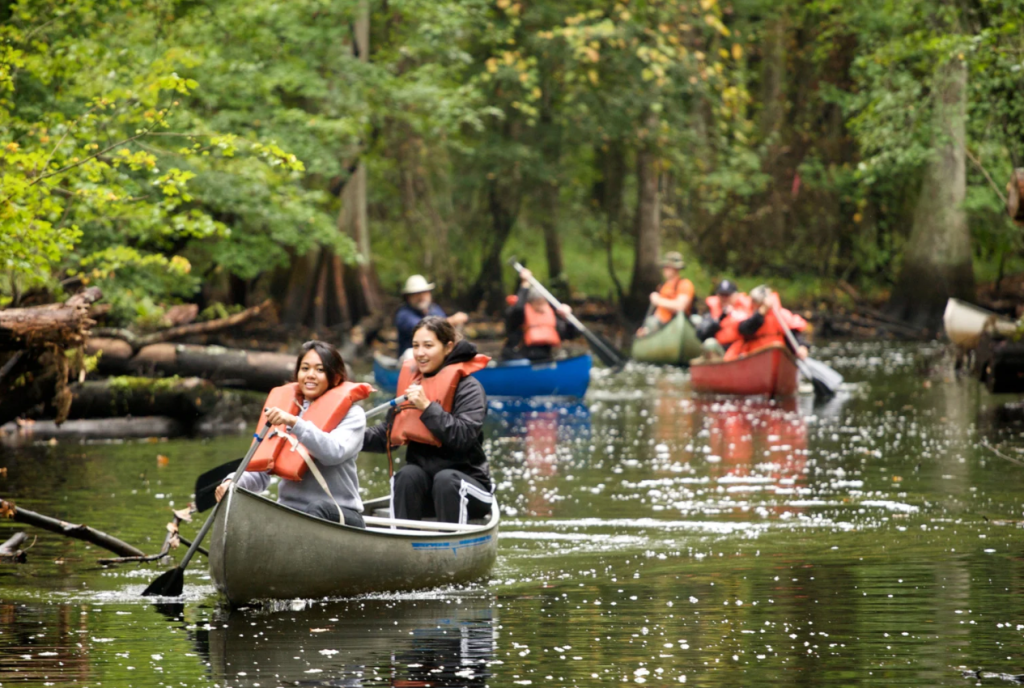
Water-based adventures like surfing lessons, scuba diving, snorkeling, kayaking, and paddleboarding are particularly well-suited to solo travelers. Instruction-based formats naturally integrate individuals into group settings while still allowing personal progression and skill development.
Adrenaline-focused activities such as zip-lining, skydiving, paragliding, and canyoning are also ideal for solo darecations when booked with certified operators. These experiences deliver maximum impact with minimal planning and strong safety oversight.
Wildlife safaris, nature expeditions, and guided cycling or mountain biking tours round out the list of solo-friendly adventures. These activities combine structured guidance with immersive environments, making them both accessible and deeply rewarding.
Certain adventures are best avoided alone, particularly remote backcountry expeditions, unsupported solo mountaineering, or technical climbing in isolated regions. Recognizing these limits is not a weakness—it is an essential skill for long-term solo adventure travel.
Conclusion
Solo darecations are more than a travel trend—they are a deliberate choice to step into challenge, independence, and self-discovery. Traveling alone for adventure forces you to rely on your own judgment, resilience, and preparation, turning each experience into a powerful confidence-building milestone. Whether it is your first guided hike or a multi-week expedition across remote landscapes, every solo adventure reinforces the same truth: you are capable of far more than you think.
The most successful solo darecations are built on smart planning, realistic expectations, and respect for both personal limits and environmental responsibility. By choosing the right destinations, investing in safety and gear, and allowing flexibility in your itinerary, you create space for both growth and enjoyment. Adventure travel alone is not about constant risk—it is about calculated challenges that reward preparation and courage.
If you are considering your first solo darecation, start with one destination or activity from this guide and commit to taking that first step. Confidence is not something you wait for; it is something you build through action. With each adventure, fear becomes familiarity, uncertainty becomes opportunity, and travel becomes transformative.
Your 2026 solo darecation does not need to be extreme to be meaningful—it simply needs to challenge you in the right way. The adventure begins the moment you decide to go.