What Is An African Safari? A Guide to Amazing Wildlife Adventures
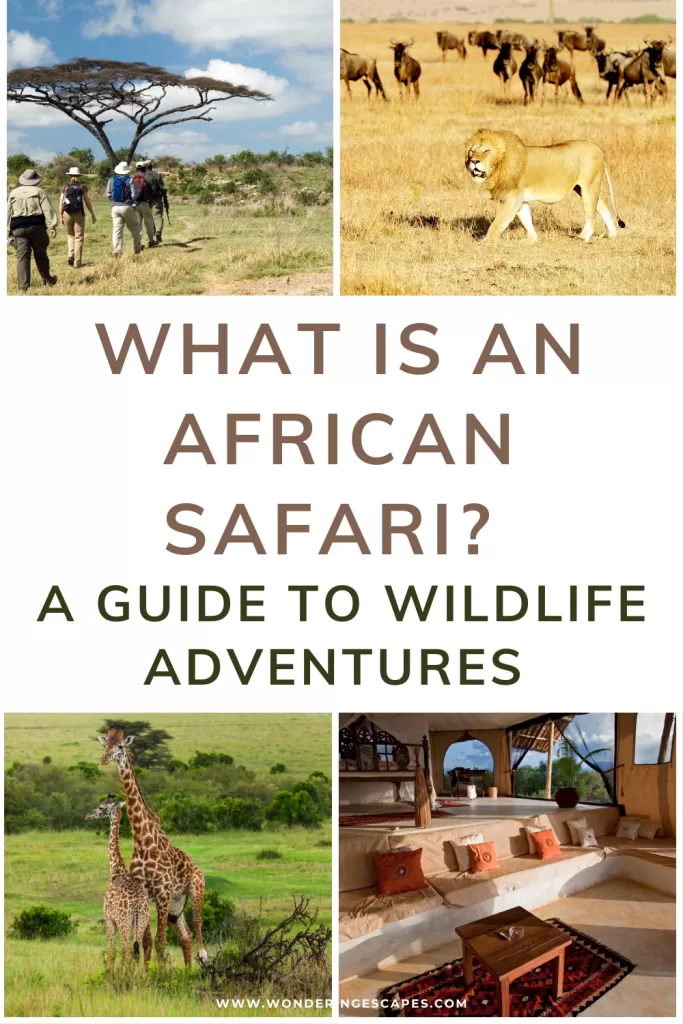
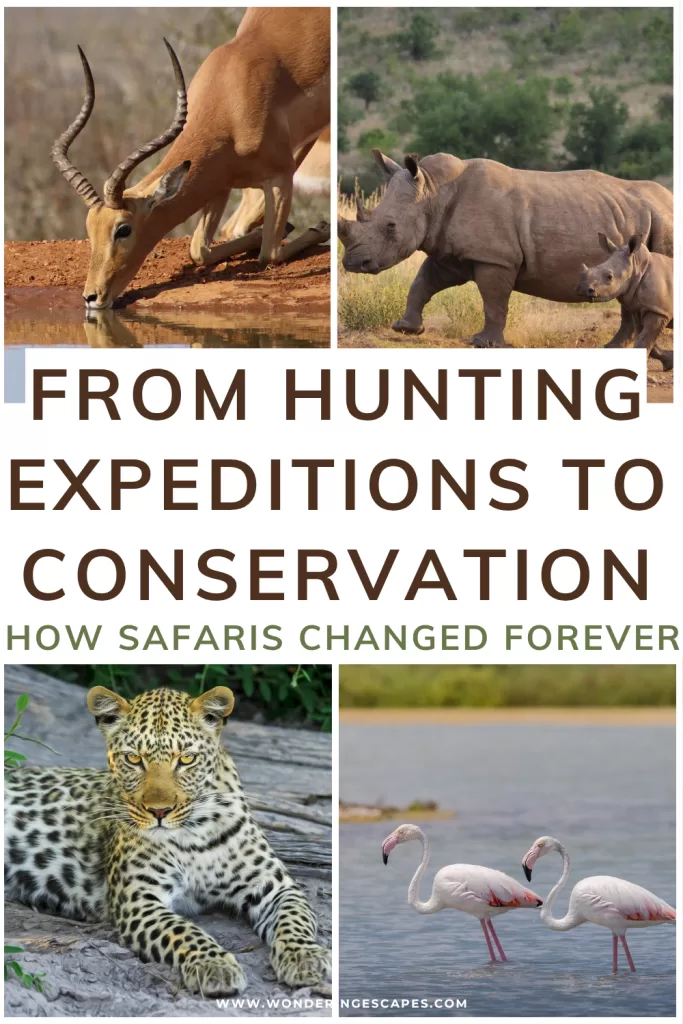
Did you know the word safari comes from the Swahili word safar, meaning “journey”? What began as 1800s big‑game hunting expeditions has transformed into one of the world’s most sought‑after wildlife experiences. Today, more than 1.5 million travelers embark on African safaris each year, hoping to witness elephants crossing dusty plains, lions lounging in golden grass, and the magic of the African wilderness at sunrise.
If you’ve ever dreamed of going on safari, this guide will walk you through everything you need to know — from what a safari actually is to where to go, what you’ll see, and how to plan the adventure of a lifetime.
Updated in 2026
You may also like this:
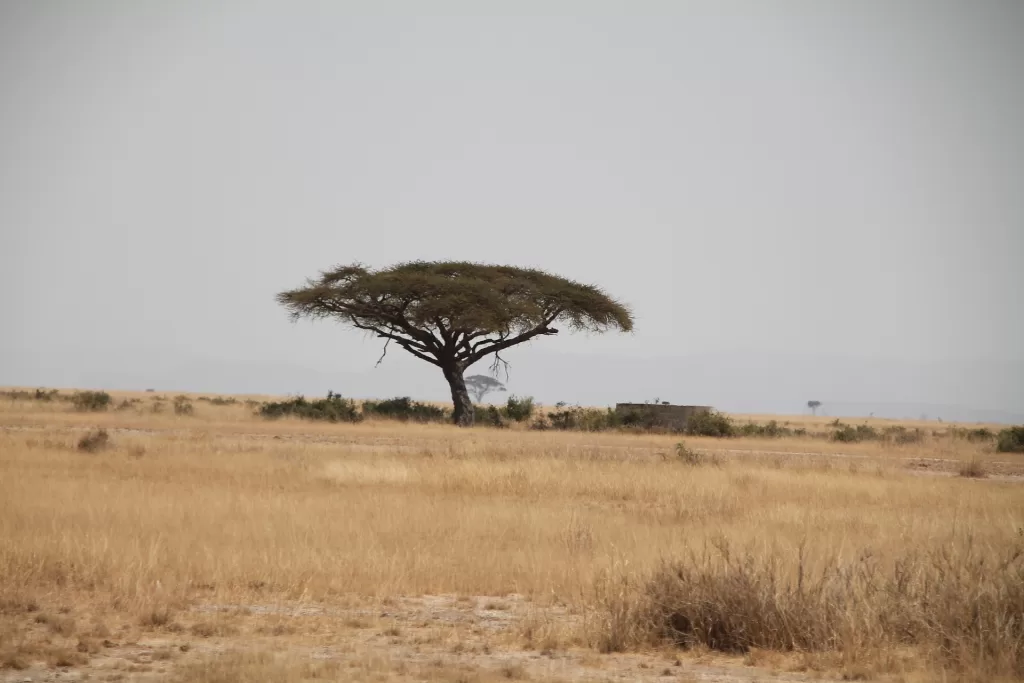
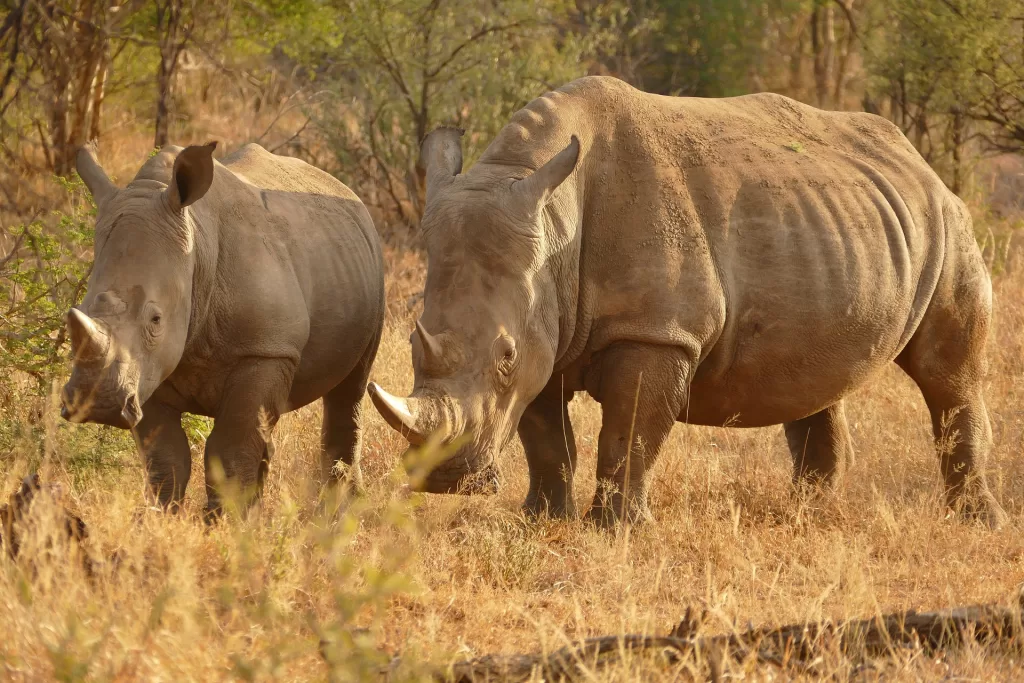
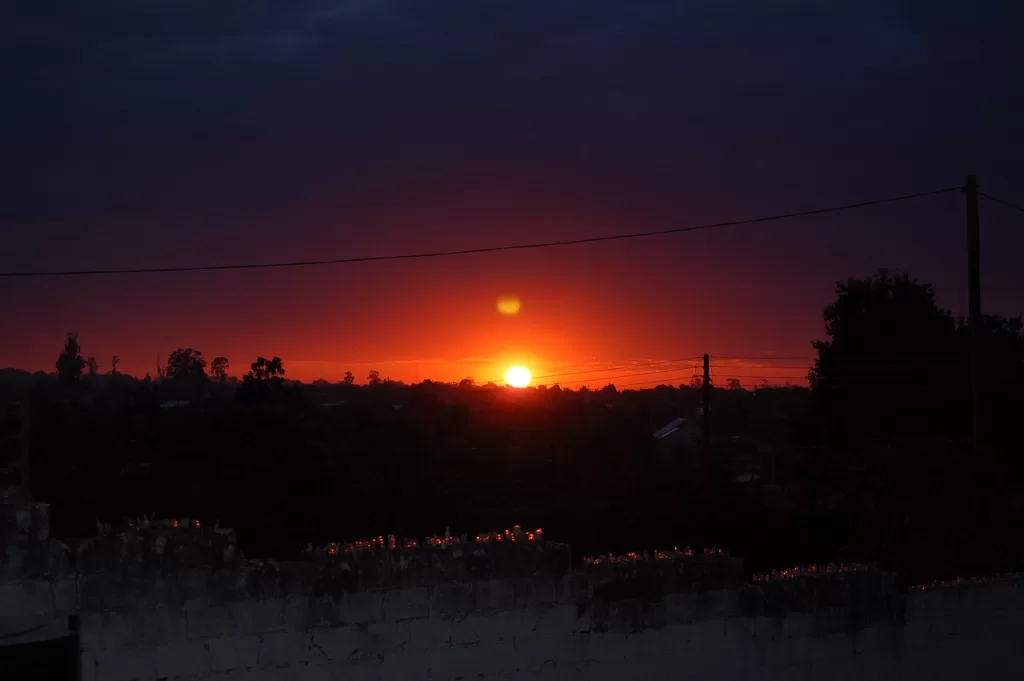
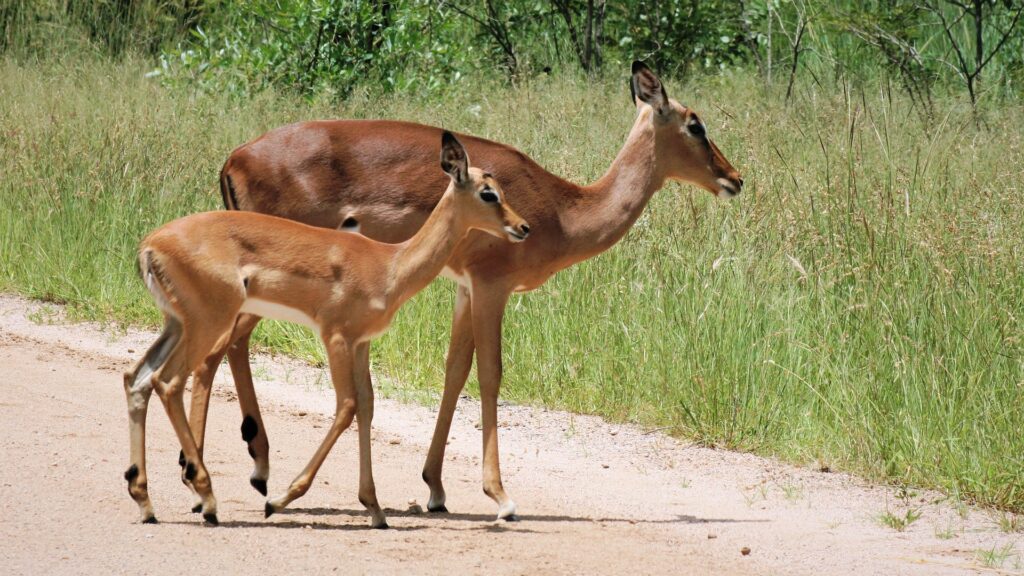
What Exactly Is a Modern African Safari?
The word safari originated from an Arabic term meaning “journey,” but today’s African safari is something far more meaningful. Modern safaris focus on:
- Wildlife conservation
- Ethical tourism
- Immersive nature experiences
- Cultural connection
- Photography and education
A safari can be luxurious, adventurous, slow‑paced, or adrenaline‑filled — it all depends on the style you choose.
Types of African Safaris
Game Drive Safari
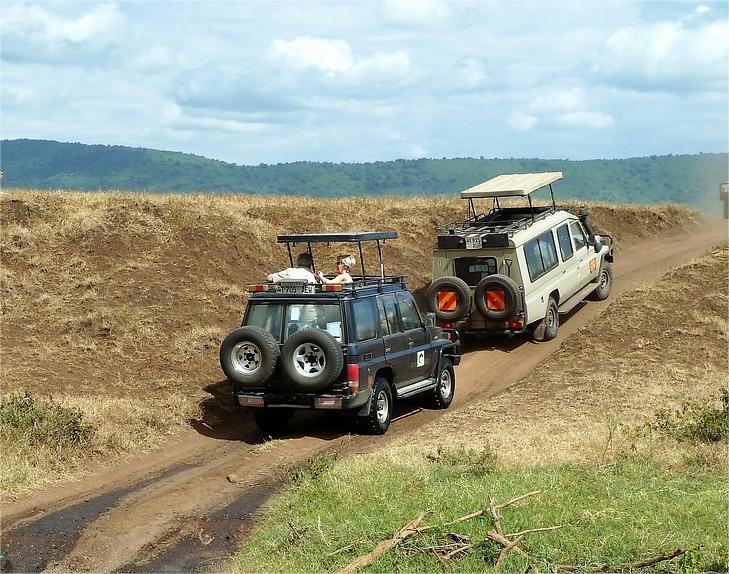
The classic safari experience. Open‑air vehicles like Land Rovers or Land Cruisers take you through the bush with expert guides who read the landscape like a book.
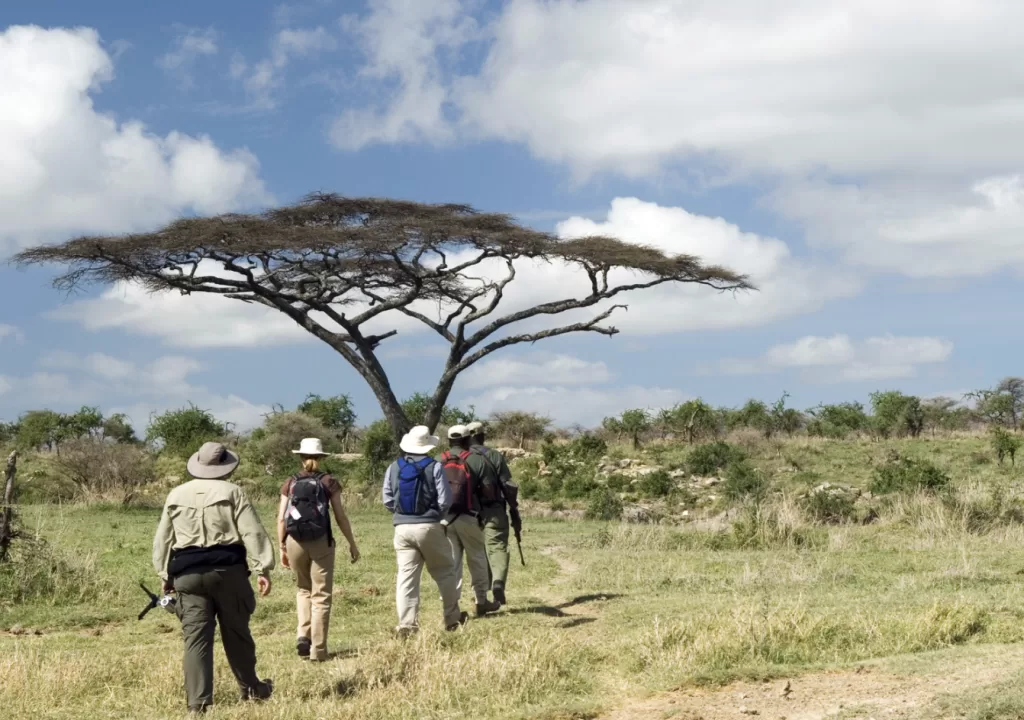
Walking Safari
Track wildlife on foot with a qualified ranger. It’s intimate, thrilling, and deeply immersive.
Mobile Safari
Follow wildlife movements across multiple parks, often camping in remote areas.
Luxury Safari
Private chefs, spa treatments, plunge pools, and high‑end lodges — all while staying close to nature.
Photographic Safari
Vehicles equipped with camera mounts, charging stations, and expert photography guides.
Boat Safari
Explore rivers and wetlands — perfect for hippos, crocodiles, and birdlife.
Fly‑In Safari
Hop between remote lodges by small plane, ideal for Botswana, Zambia, and Tanzania.
Self‑Drive Safari
Rent a vehicle and explore at your own pace — especially popular in South Africa and Namibia.nters.
My Camera Gear Recommendation: If you’re planning to photograph wildlife on safari, I recommend investing in a good telephoto lens rather than automatically buying a new camera body. I use a 100–400mm lens, and I find that range especially useful for safari because it gives you the flexibility to photograph both closer wildlife and animals farther away without constantly changing lenses. If you already have a compatible camera body, upgrading the lens can be a much better investment for safari photography.

The Versatility of a Safari Experience
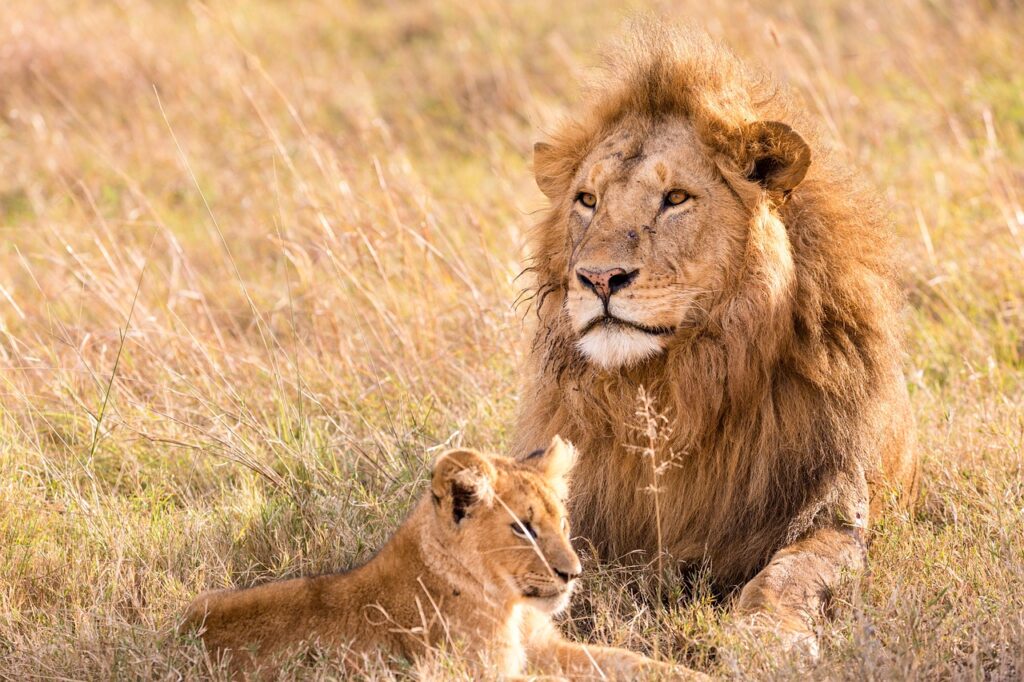
Every African country offers something unique — from the sweeping savannas of East Africa to the diverse landscapes of Southern Africa. A typical safari day begins before first light, when the wilderness is most active. Your guides position you perfectly for sunrise sightings: lions returning from a hunt, elephants heading to water, or hyenas calling across the plains.
In recent years, safaris have expanded to include:
- Photography safaris
- Bird‑watching safaris
- Big‑cat safaris
- Conservation‑focused safaris
- Spa and wellness safaris
Mobile safaris allow you to follow wildlife across ecosystems — from the dusty plains of the Masai Mara to the lush waterways of the Okavango Delta. Every day brings new landscapes, new wildlife, and new stories.
Best Time to Go on an African Safari
East Africa (Kenya & Tanzania)
- Dry season (June–October): Best wildlife viewing + Great Migration
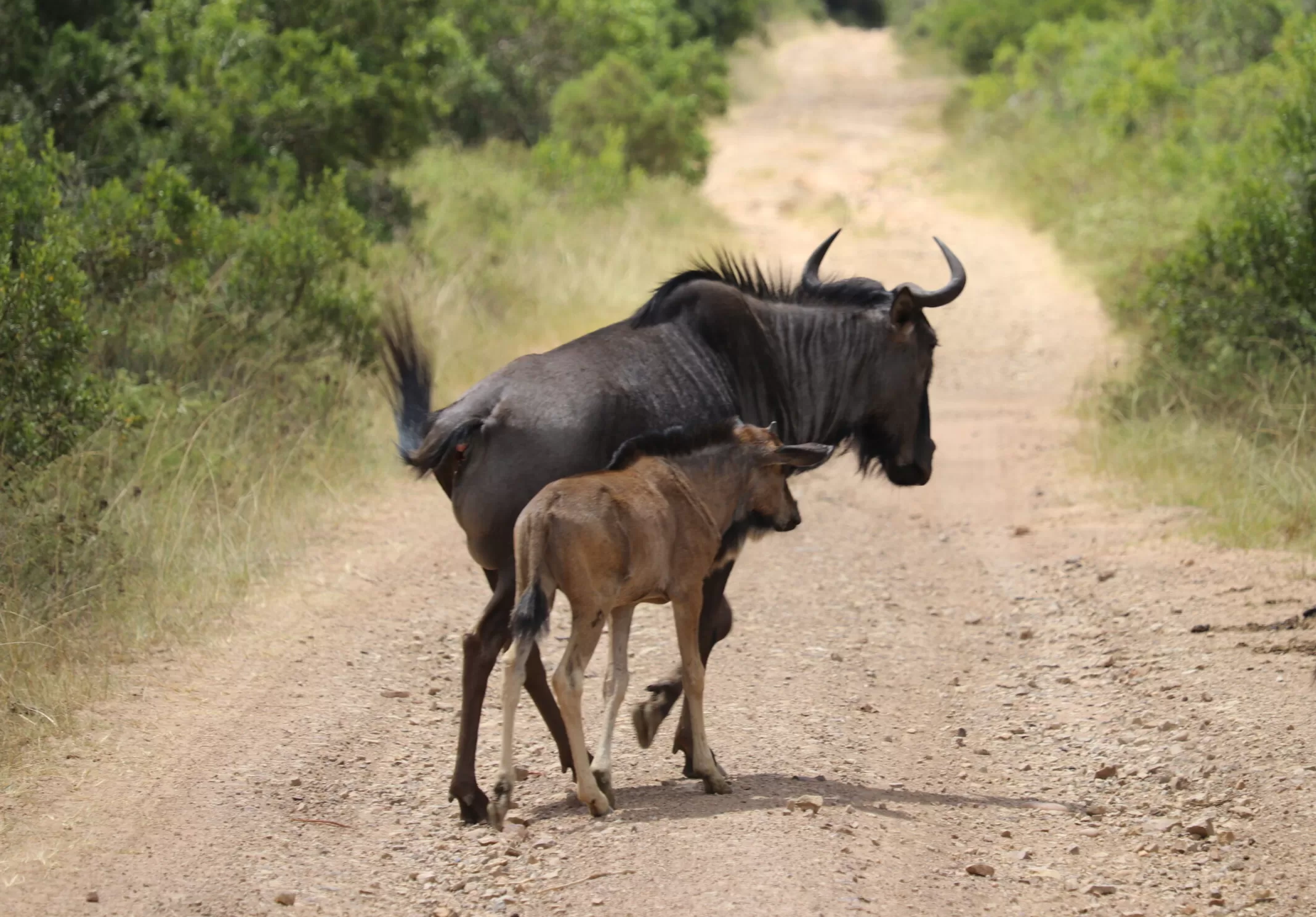
- Green season (November–May): Lush landscapes, fewer crowds, baby animals
Southern Africa (South Africa, Botswana, Namibia, Zambia)
- Dry season (May–October): Wildlife gathers at waterholes
- Wet season (November–April): Birding paradise, dramatic skies, lower prices
For the Great Migration
- July–October: Masai Mara river crossings
- December–March: Calving season in the Serengeti
How Much Does an African Safari Cost?
Budget Safari
$150–$350 per day Group tours, basic lodges, shared vehicles.
Mid‑Range Safari
$350–$700 per day Comfortable lodges, great guides, excellent wildlife viewing.
Luxury Safari
$700–$2,000+ per day Private guides, boutique lodges, gourmet dining, exclusive access.
Additional Costs
- Park fees
- Small‑plane transfers
- Tips
- Travel insurance
- Visa fees
Best African Safari Destinations
Masai Mara, Kenya
Home of the Great Migration — millions of wildebeest thundering across the plains.
Kruger National Park, South Africa
Incredible wildlife density, private reserves, and modern comforts.
Ngorongoro Crater, Tanzania
A volcanic caldera filled with wildlife, with views of Mount Kilimanjaro.
Serengeti National Park, Tanzania
Endless plains, big cats, and the heart of the Great Migration.
Okavango Delta, Botswana
A maze of waterways, islands, and wildlife — explored by vehicle, boat, or plane.
Chobe National Park, Botswana
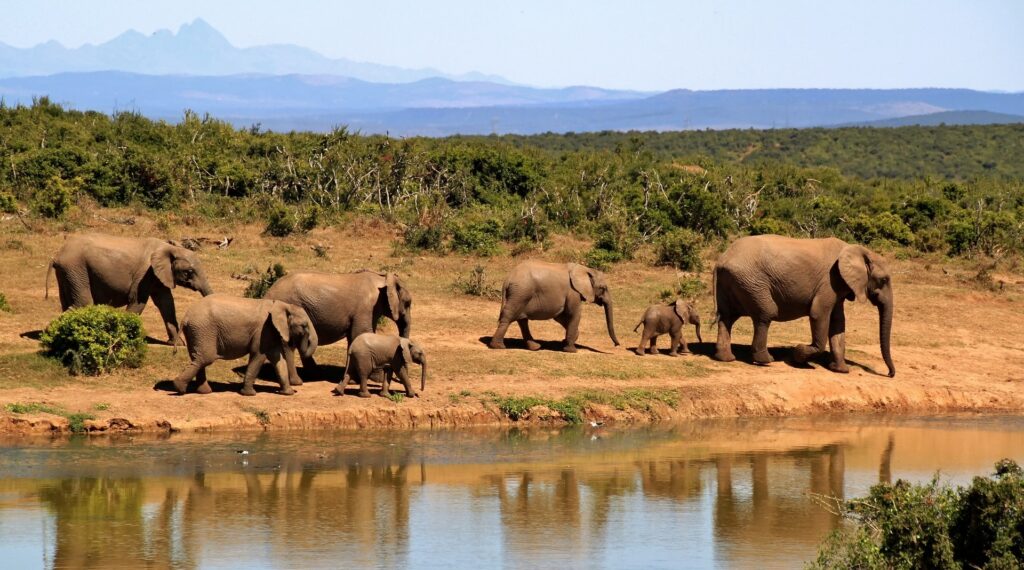
Famous for enormous elephant herds.
Tarangire National Park, Tanzania
Baobab trees, elephants, and spectacular dry‑season wildlife.
Victoria Falls Region
Combine wildlife with one of the world’s greatest natural wonders.
Makgadikgadi Pans, Botswana
A surreal desert landscape with unique wildlife and stargazing.
Wildlife You’ll Encounter on Safari
The Big Five
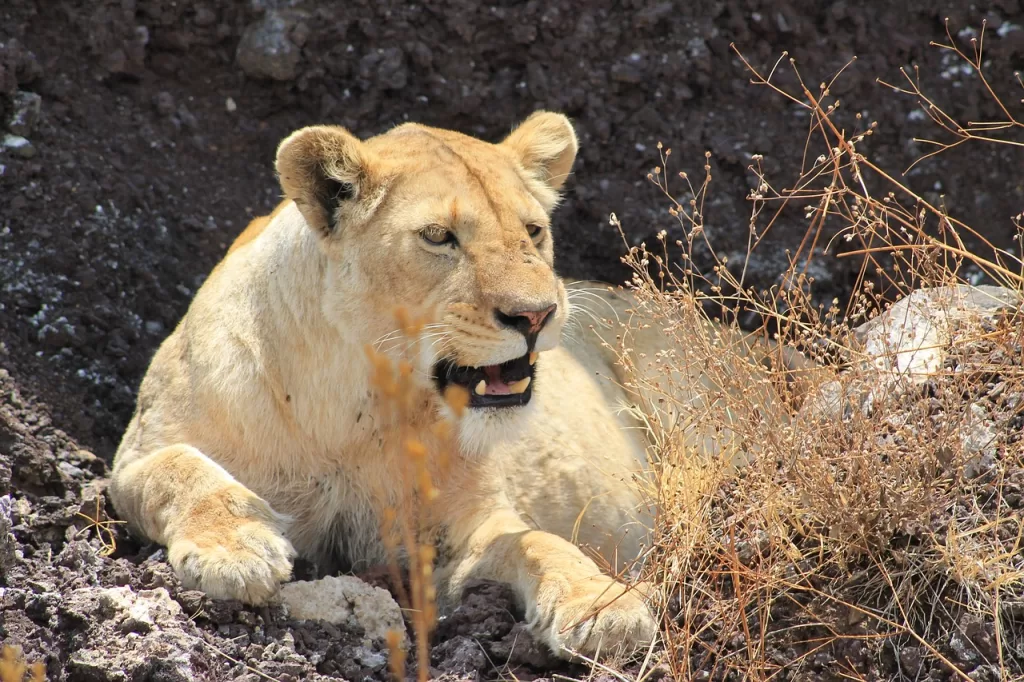
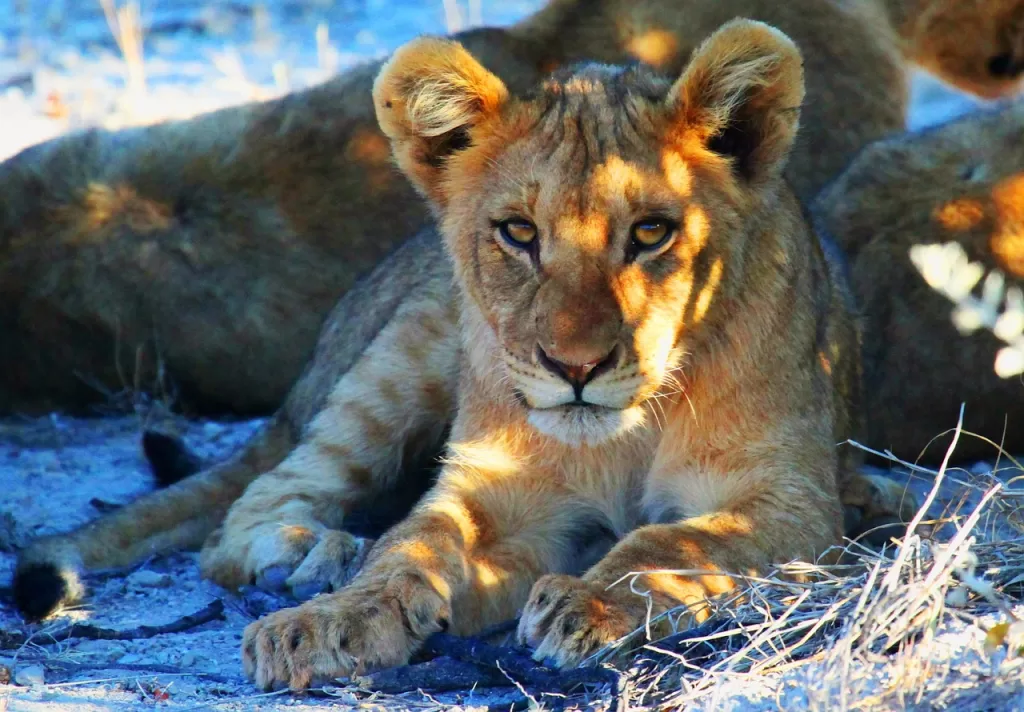
- Lion
- Leopard
- Elephant
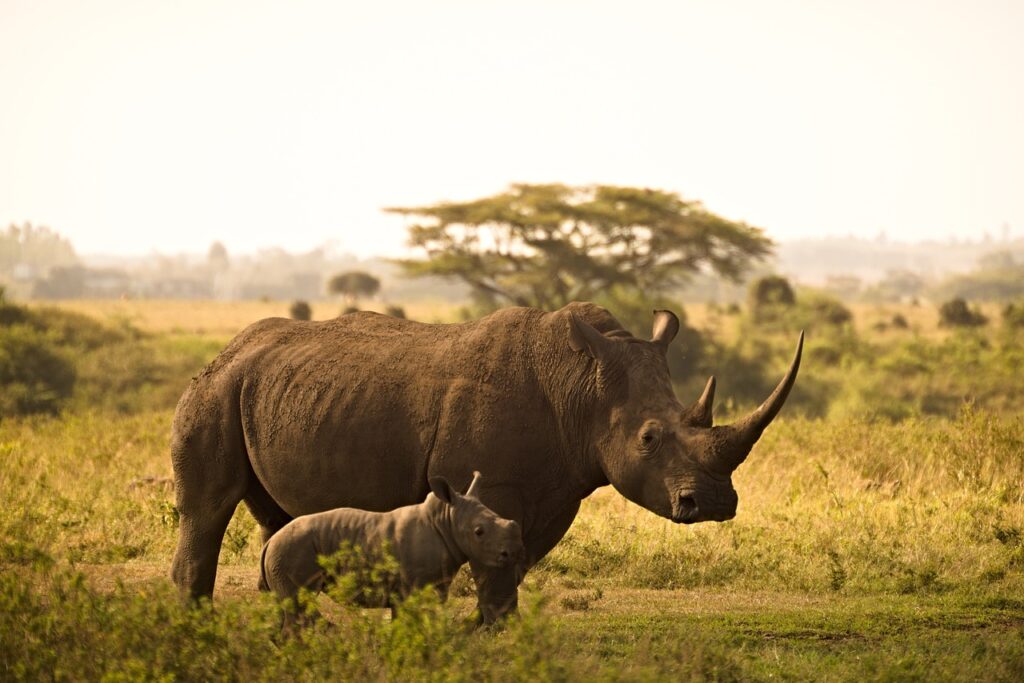
- Rhinoceros
- Buffalo
Other Wildlife
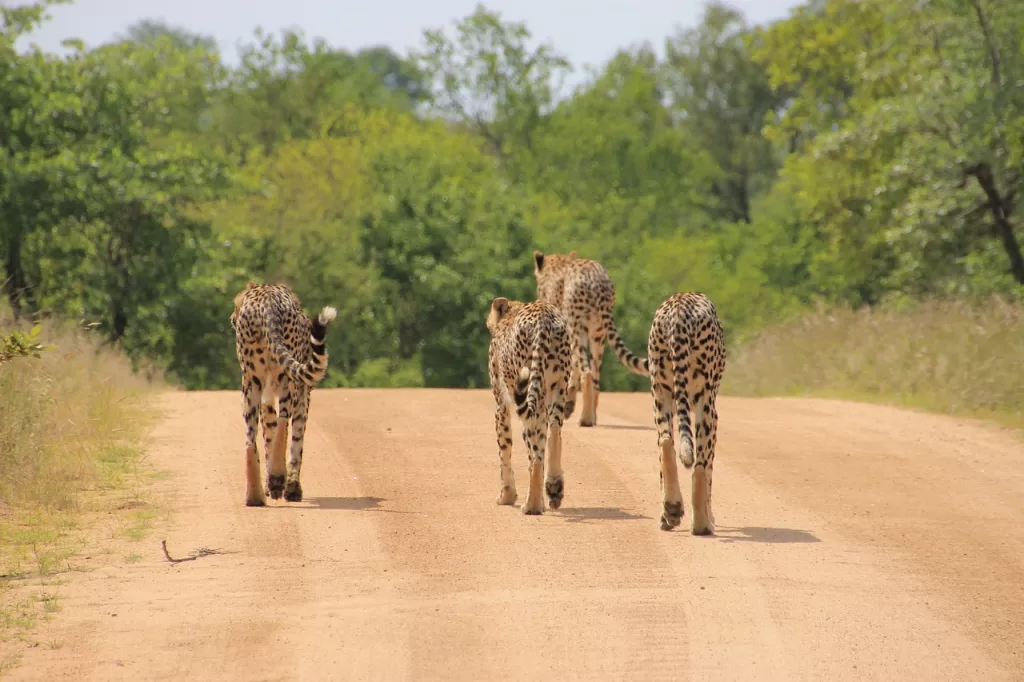
- Cheetahs
- Wild dogs
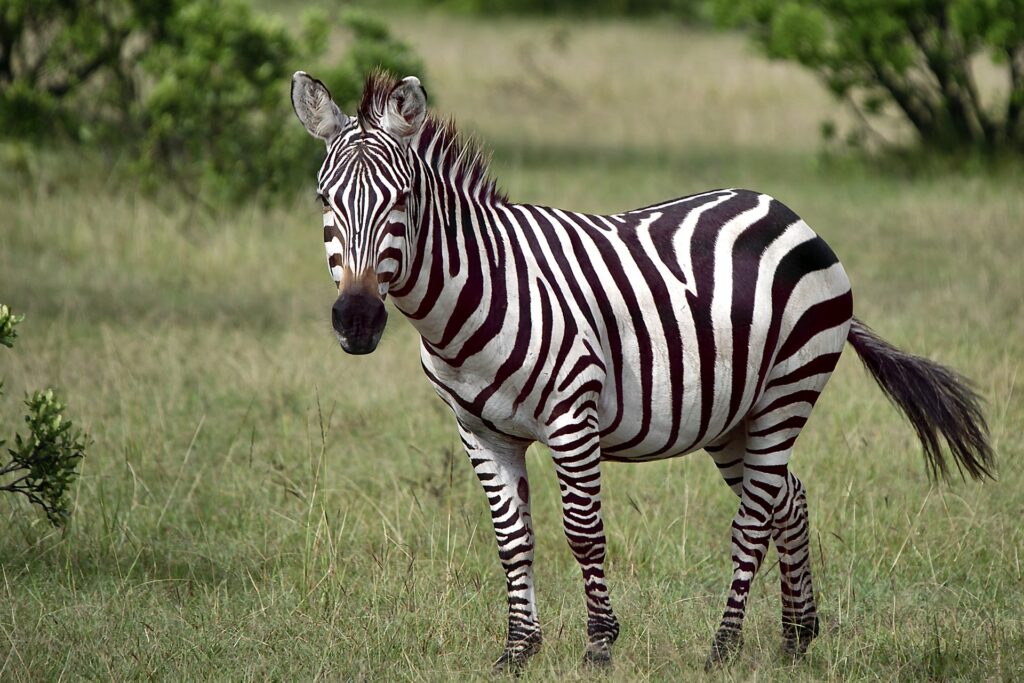
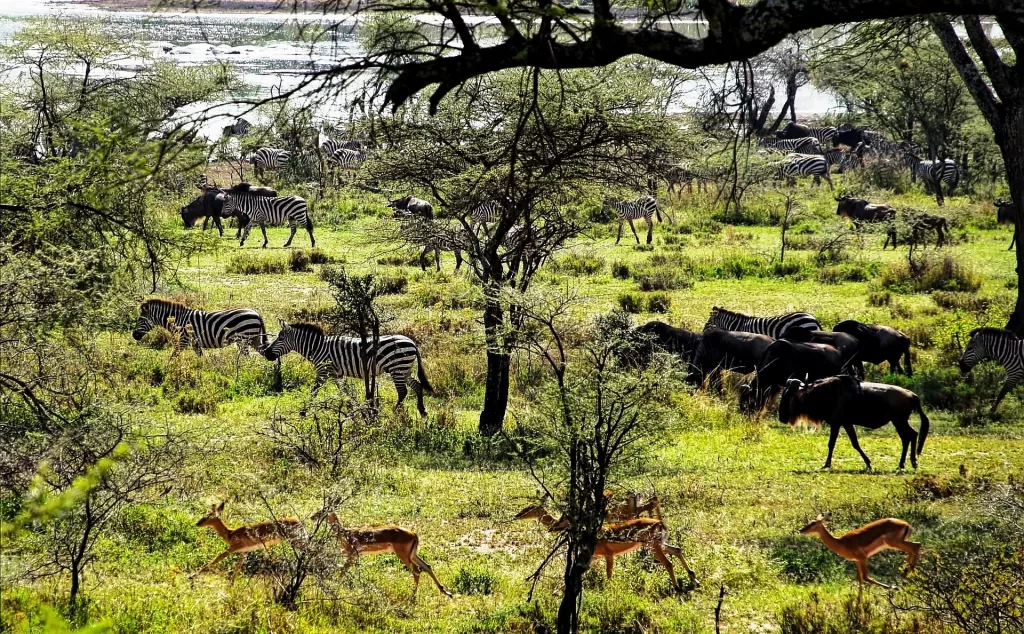
- Zebras
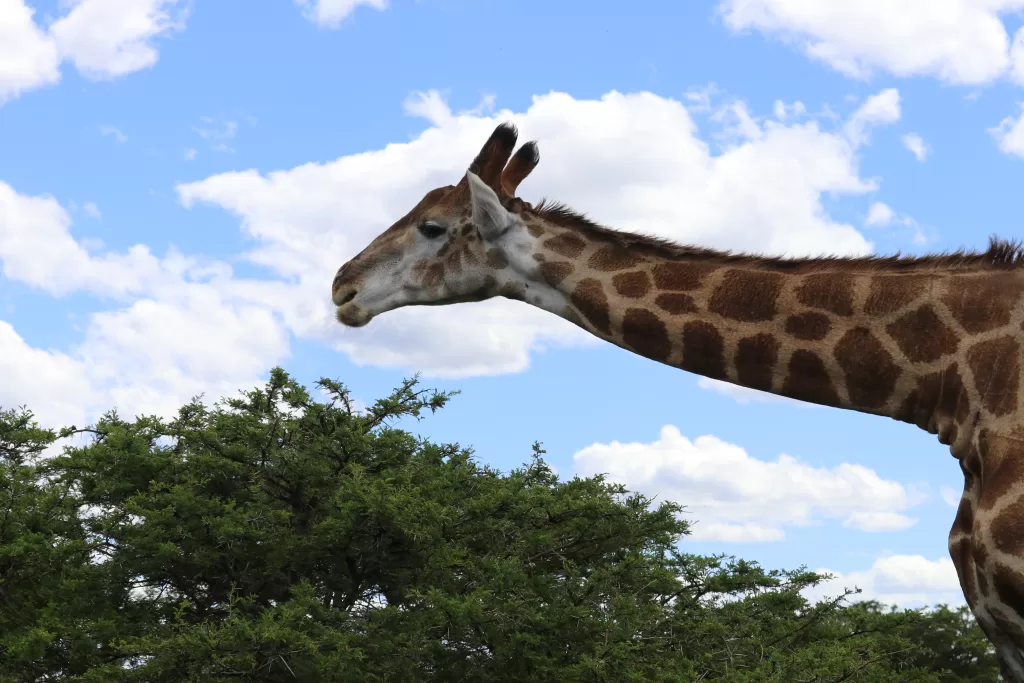
- Giraffes
- Hippos
- Hyenas
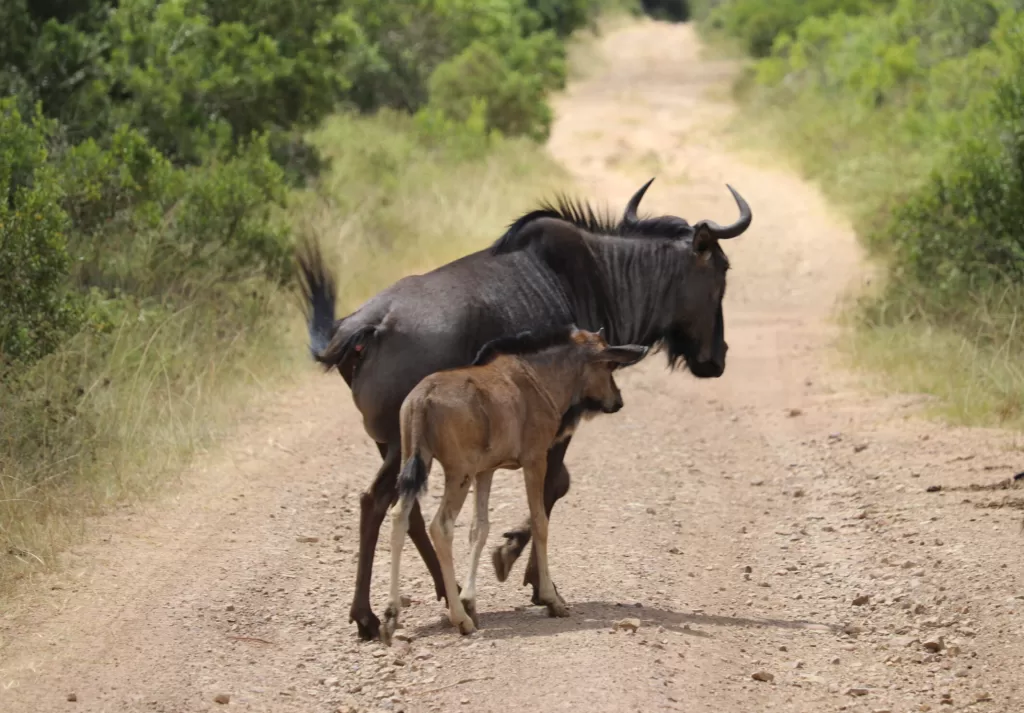
- Wildebeest
- Gazelles
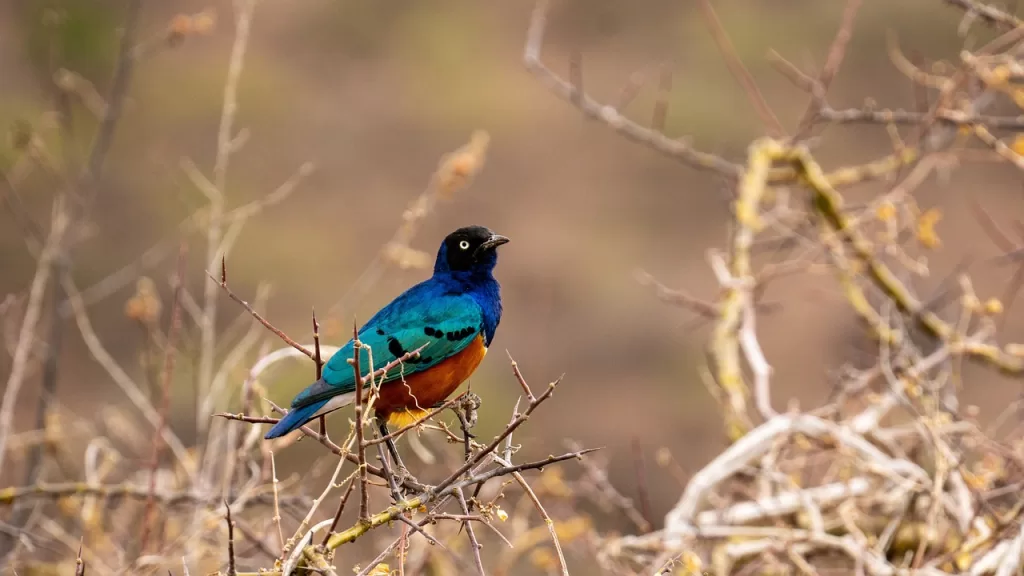
- Over 2,500 bird species
Seasonal highlights include the Great Migration, dry‑season waterhole gatherings, and newborn wildlife during the green season.
Planning Your First African Safari
Best Time to Visit
Dry season = best wildlife viewing Green season = fewer crowds + dramatic landscapes
Choosing a Tour Operator
Look for experienced guides, transparent pricing, and strong reviews.
Park Entry Fees
These vary widely — especially in Kenya, Tanzania, and Botswana.
Transportation Logistics
Most safaris begin in Nairobi, Johannesburg, or Cape Town. Remote lodges often require small‑plane transfers.
Pacing Your Safari
Plan at least 3 nights per destination to fully appreciate each ecosystem.
Specialized Safari Styles
Photography, birding, conservation, cultural immersion, wellness safaris — all available.
You may also like this:
Safari Accommodations
Luxury Lodges
Private plunge pools, gourmet dining, spa treatments, and stunning views.
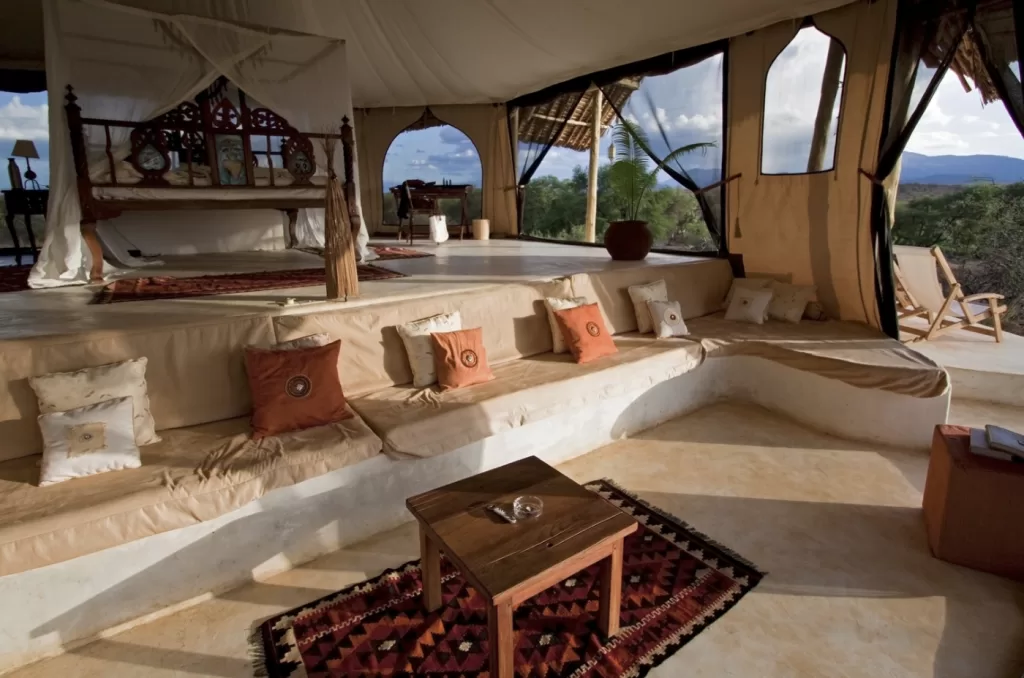
Tented Camps
Canvas tents with real beds and ensuite bathrooms — atmospheric and immersive.
Mobile Camps
Follow wildlife movements across parks.
Private Reserves
Offer off‑road access, night drives, fewer crowds, and unique experiences like:
- Treehouse sleepouts
- Star beds
- Photography hides
- Bush breakfasts
- Sunset sundowners
Unique Stays
- Hot‑air balloon camps
- Floating lodges
- Eco‑friendly solar camps
Safari Activities & Experiences
Morning & Afternoon Game Drives
The heart of every safari — sunrise sightings, golden light, and active wildlife.
Walking Safaris
Track wildlife on foot with expert rangers.
Night Drives
Spot nocturnal animals like bushbabies, civets, and leopards.
Sundowners
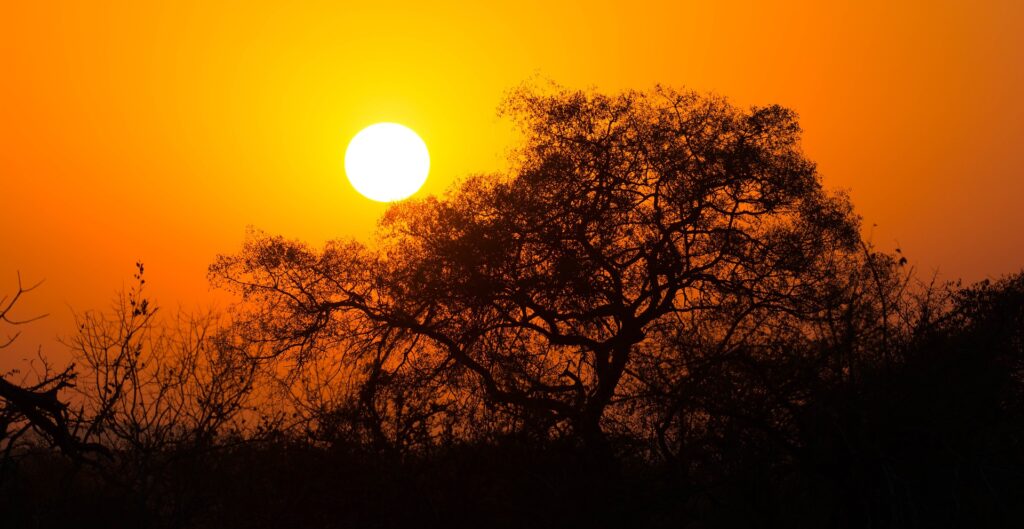
A safari tradition: drinks at sunset overlooking the bush.
Hot‑Air Balloon Rides
Soar above the Serengeti or Masai Mara at sunrise.
Cultural Village Visits
Meet Maasai, Samburu, Himba, or San communities.
Conservation Programs
Learn about anti‑poaching efforts, collaring projects, and habitat restoration.
Bird‑Watching
Africa is home to over 2,500 bird species.
Photography Workshops
Guided by experts to help you capture the perfect shot.
Photographic Safaris
Specialized vehicles with:
- Extra gear storage
- Stabilized camera mounts
- Adjustable seats
- Removable roofs
- Charging stations
Modern Technology on Safari
- Tracking devices for endangered species
- Bird‑ID and wildlife apps
- Digital photography tools
But the most memorable moments often come from unplugged experiences — like sitting quietly at a waterhole as the evening light fades.
What to Wear on Safari (Quick Guide)
Essentials
- Neutral-colored tops — Neutral colors such as khaki, tan, and olive blend well with the surroundings and are practical for spending time in the bush.
- Breathable pants or shorts — Lightweight, breathable bottoms help keep you comfortable during warm days, especially when you’re spending hours on game drives.
- Fleece or light jacket — Mornings and evenings can be surprisingly cool, even in warmer destinations. A light layer is easy to pack and add when needed.
- Comfortable closed shoes — Comfortable closed-toe shoes are useful for walking around camp, nature walks, and any activities where you’ll be on uneven ground.
- Wide-brim hat — A good hat provides welcome protection from the sun during long game drives and time spent outdoors.
- Sunglasses — Sunglasses help protect your eyes from strong sunlight, dust, and wind, particularly when you’re riding in an open safari vehicle.
- Scarf or buff — A lightweight scarf or buff can help protect your neck and face from sun and dust while also providing an extra layer when temperatures drop
When choosing safari clothing, lightweight and breathable fabrics are your friend. I also prefer neutral colors that blend into the surroundings rather than bright colors that can stand out in the bush.

Avoid
- Bright colors — Bright clothing can stand out in the natural surroundings, so neutral and muted colors are generally a better choice for safari.
- Camouflage — Camouflage clothing can be restricted or illegal in some African countries, so it’s safer to leave it at home.
- Heavy fabrics — Heavy materials can become uncomfortable in warm weather and take up valuable space in your luggage.
- Noisy materials — Clothing that makes a lot of noise can be distracting when you’re trying to quietly observe wildlife.
Also, a small daypack is useful for carrying the things you’ll want close by during a game drive, such as binoculars, a camera, sunscreen, sunglasses, a light jacket, and water. Keep it compact enough that it doesn’t become a nuisance inside the safari vehicle.

Safari Safety Tips
- Stay inside the vehicle unless instructed — Wildlife can be much closer than it appears, so always remain in the vehicle unless your guide tells you it is safe to get out.
- Keep a respectful distance from wildlife — Give animals plenty of space and let your guide determine how close you should get. Never pressure a driver or guide to approach an animal too closely.
- Never run — Running can trigger a chase response in some animals. If you encounter wildlife outside the vehicle, follow your guide’s instructions and remain calm.
- Avoid sudden movements — Sudden movements can attract an animal’s attention, particularly when you’re close to wildlife. Move slowly and listen to your guide.
- Don’t feed animals — Feeding wildlife can change their natural behavior and create dangerous situations for both animals and people.
- Keep noise low — Quiet voices and minimal noise make it easier to observe wildlife without disturbing the animals around you.
- Follow your guide’s instructions — Your safari guide knows the environment, wildlife behavior, and local safety procedures. Their instructions should always take priority.
Beginner Mistakes to Avoid
- Trying to visit too many parks — It’s tempting to pack several parks into one trip, but too much moving around can leave you spending more time traveling than enjoying the wildlife.
- Expecting Big Five sightings every day — The Big Five are never guaranteed. Safari is about the overall experience, so enjoy the birds, smaller animals, landscapes, and unexpected encounters too.
- Overpacking — Safari travel often involves small aircraft, limited luggage space, and plenty of time outdoors. Pack light and focus on comfortable, practical clothing and essentials.
- Forgetting binoculars — Wildlife isn’t always close to the vehicle. A good pair of binoculars can make a huge difference when you’re watching animals farther away or spotting birds.
- Ignoring weather patterns — Weather can affect wildlife activity, road conditions, and your overall experience. Research the conditions for the specific region and time of year you’re visiting.
- Not budgeting for park fees — Park fees and conservation charges can add significantly to the overall cost of a safari. Check what’s included in your tour price so there are no surprises.
- Booking too last-minute — Popular lodges, camps, and safari operators can fill up well in advance, especially during peak seasons. Booking early gives you more choices and often better options.

Conclusion
An African safari isn’t just a vacation — it’s a life‑changing journey into the heart of nature. Whether you’re watching the Great Migration thunder across the Serengeti or tracking leopard footprints in the Okavango Delta, these moments stay with you forever.
When you’re ready to plan your own adventure, choose the destination, season, and style that speak to your soul — and let Africa do the rest.